Get in touch with LFADJ Company

PROJECT SELECTION
Explosion-Proof LED Flood Lights for Hazardous-Area Projects
LFADJ provides support to our industrial clients by assisting with the selection and configuration of flood lights, and the preparation of project documentation based on the real operating conditions. Start with the hazardous area requirement, then select the optical and commercial configuration.
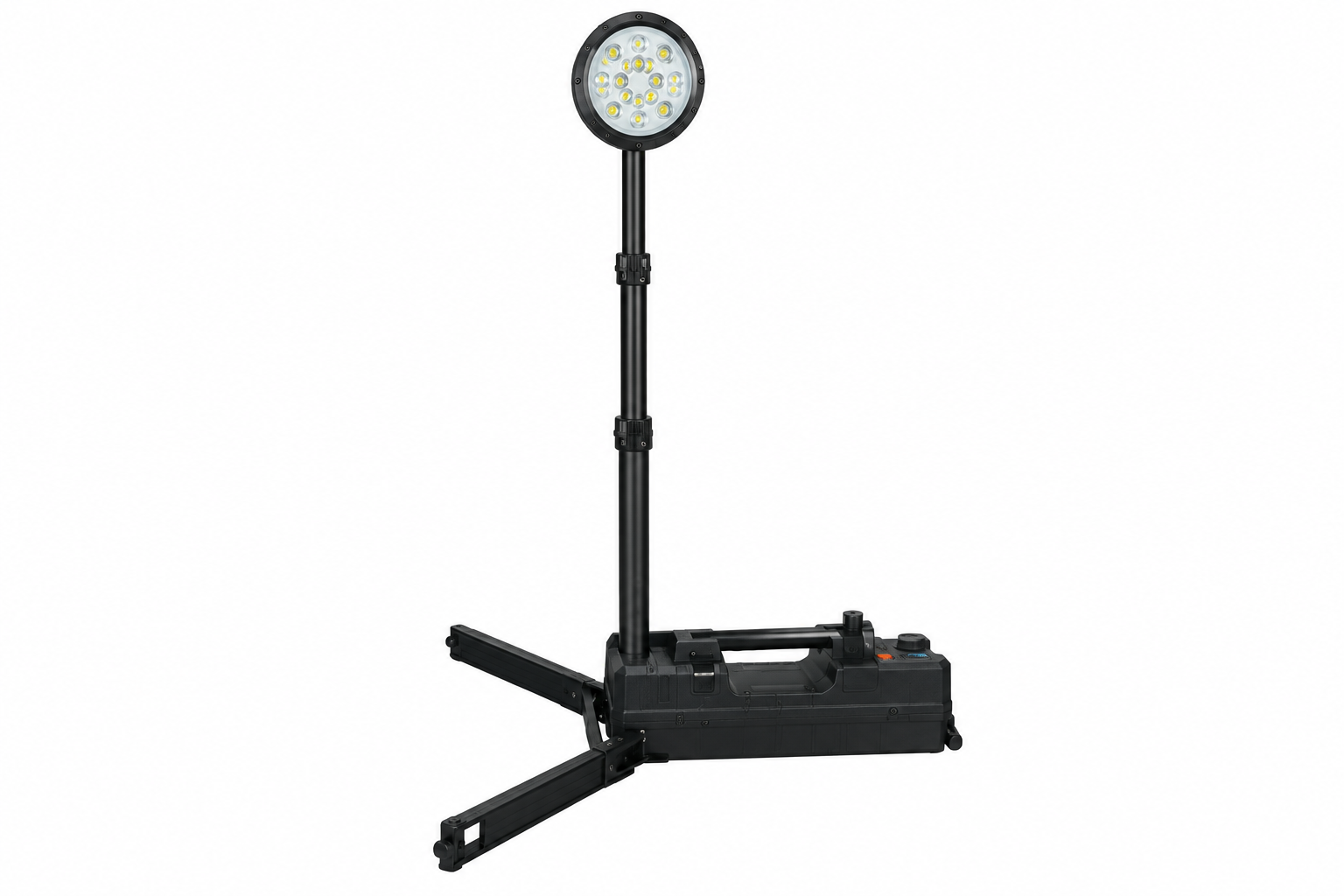
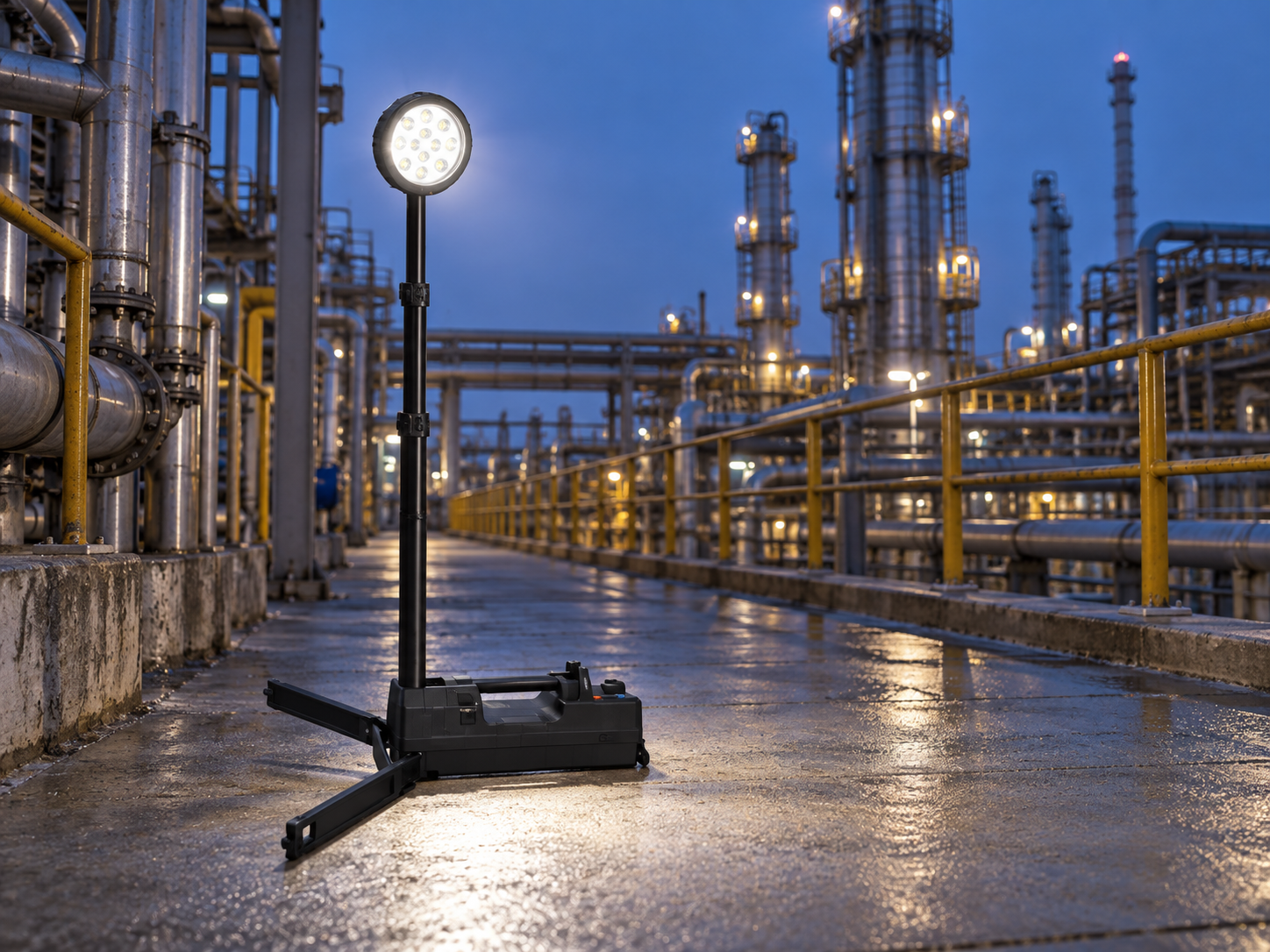
An explosion-proof LED flood light should be selected from the outward document classification of the site. Selecting based on wattage creates a mismatch because the safety consideration is still missing.
Engineering review begins with a classified location: confirm the hazard, likelihood of occurrence and completely mark the equipment prior to optimizing the light output.
LFADJ project-selection principle, aligned with OSHA 29 CFR 1910.307
-
1. Classification system
Identify the classification/division system and the country of installation, and state if an informal conversion is the basis of approval.
-
2. Hazard and group
Describe the composition of the surrounding atmosphere (gas, vapor, combustible dust, fibers or flyings) and include the applicable gas or dust group.
-
3. Temperature and ambient
State the minimum or maximum allowable surface temperature or class, project ambient temperature range, and temperature of process heat and solar exposure.
-
4. Installation
State the voltage, specify the method of cable entry and state the mounting position and height, and access constraints. Accessories should be checked with respect to the proposed configuration.
-
5. Lighting duty
Provide the area dimensions, the target illuminance and the preferred distribution of the beam.
-
6. Evidence package
Request the documentation for the exact model to verify the configuration, special conditions and installation instructions.
Ingress protection is not explosion protection
An IP rating defines the level of protection against the ingress of solid and/or liquid foreign elements. An IP rating does not assess suitability for use in hazardous locations. The proposed fixture must be assessed separately to determine its suitability.
Classification language for the RFQ
For a North American project, indicate whether the requirement is Division 1 or Division 2. For a IEC/ATEX project, indicate whether the requirement is Zone 1 or Zone 2, the gas or dust group and the temperature condition.
Optical requirements follow the safety brief
The requirement for beam angle and other options for LED lighting fixtures is requested after the client has specified the requirement for a hazardous area LED lighting fixture. An explosion proof LED light description is incomplete without the location, and the evidence and scope of the work.
Use the Hazardous-Area Flood-Light Approval Matrix
This matrix allows the client to separate site requirements from supplier documents. EPC, HSE and procurement reviewers can use this as a shared hold point record.
| Approval check | Project evidence | Proposed-model evidence | Hold point |
|---|---|---|---|
| Location system | Area-classification drawing or schedule | Complete marking for the selected system | Stop if the systems or permitted location do not match |
| Hazard group | Named gas, vapor or dust and required group | Covered group in the applicable record | Stop if the actual substance is outside scope |
| Temperature | Required T-class or maximum surface temperature | Marking plus approved ambient range | Stop if either value is absent |
| Product identity | Required equipment category and type | Exact model, variant and complete-equipment status | Do not accept a component record as proof for the complete luminaire |
| Configuration | Voltage, entries, driver, bracket and accessories | Certificate schedule, annex or controlled option list | Stop when the supplied configuration is not covered |
| Production context | Approved-vendor and traceability requirements | Manufacturer, relevant production location and current record status | Resolve status, location or batch questions before release |
| Installation | Wiring method and environmental conditions | Instructions and special conditions of use | Installation must follow the applicable document |
Sources supporting this decision method include OSHA 29 CFR 1910.307, Directive 2014/34/EU, IECEx scheme guidance and UL hazardous-area classification guidance.
Need a document-match review?
Send the location classification, selected model and required market approval. LFADJ can identify which model documents must be checked before a commercial quote is finalized.
Configure the Flood Light Around the Project
A project ready selection brief links the safety requirement to the lighting task. This also helps ensure that different assumptions are not made for the same product description.
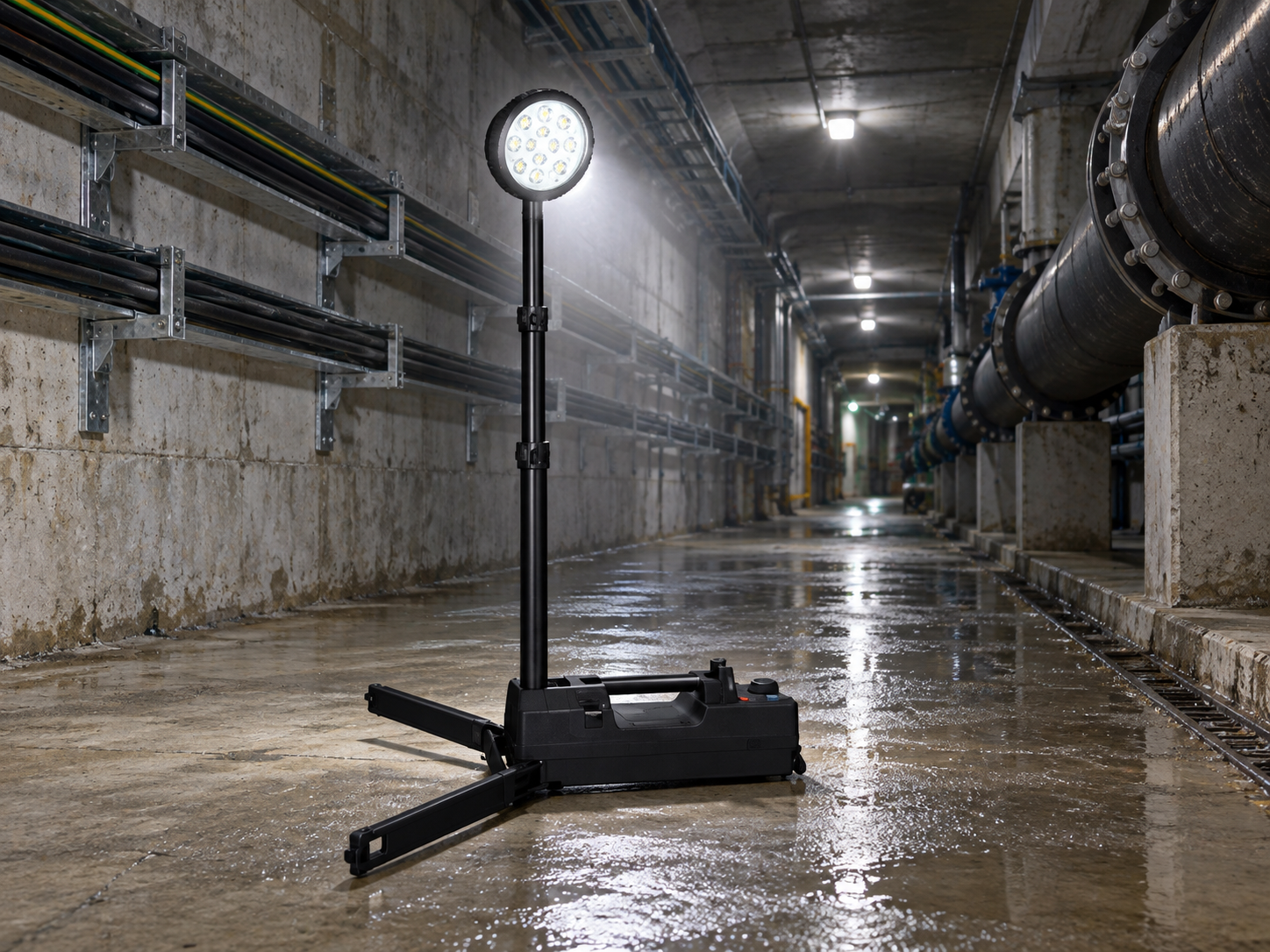
An EPC buyer application drawing may show a 600 cm mounting height in one work area and a 1200 cm throw in another. These examples show that one nominal wattage cannot be representative of two or more lighting tasks.
Approval context: UL hazardous-areas certification
Freeze the non-negotiables
Always list the classification, group, temperature requirement, market and voltage first.
Define the work plane
Identify the average and minimum illuminance required, obstructions and aiming limitations.
Compare like with like
Request the same photometric assumptions, accessories, document pack, warranty basis and delivery destination from each supplier.
What LFADJ can support
- Product consultation and model-selection communication
- Configuration review against the project brief
- Coordination of relevant product documents for the selected model
- Supply connection and after-sales issue handling under the contract
Find the Hidden Approval Bottleneck Before Comparing Price
The missing input controls the next action. This hidden gap creates delay and approval risk because a later optical or price comparison cannot make up for missing safety evidence.
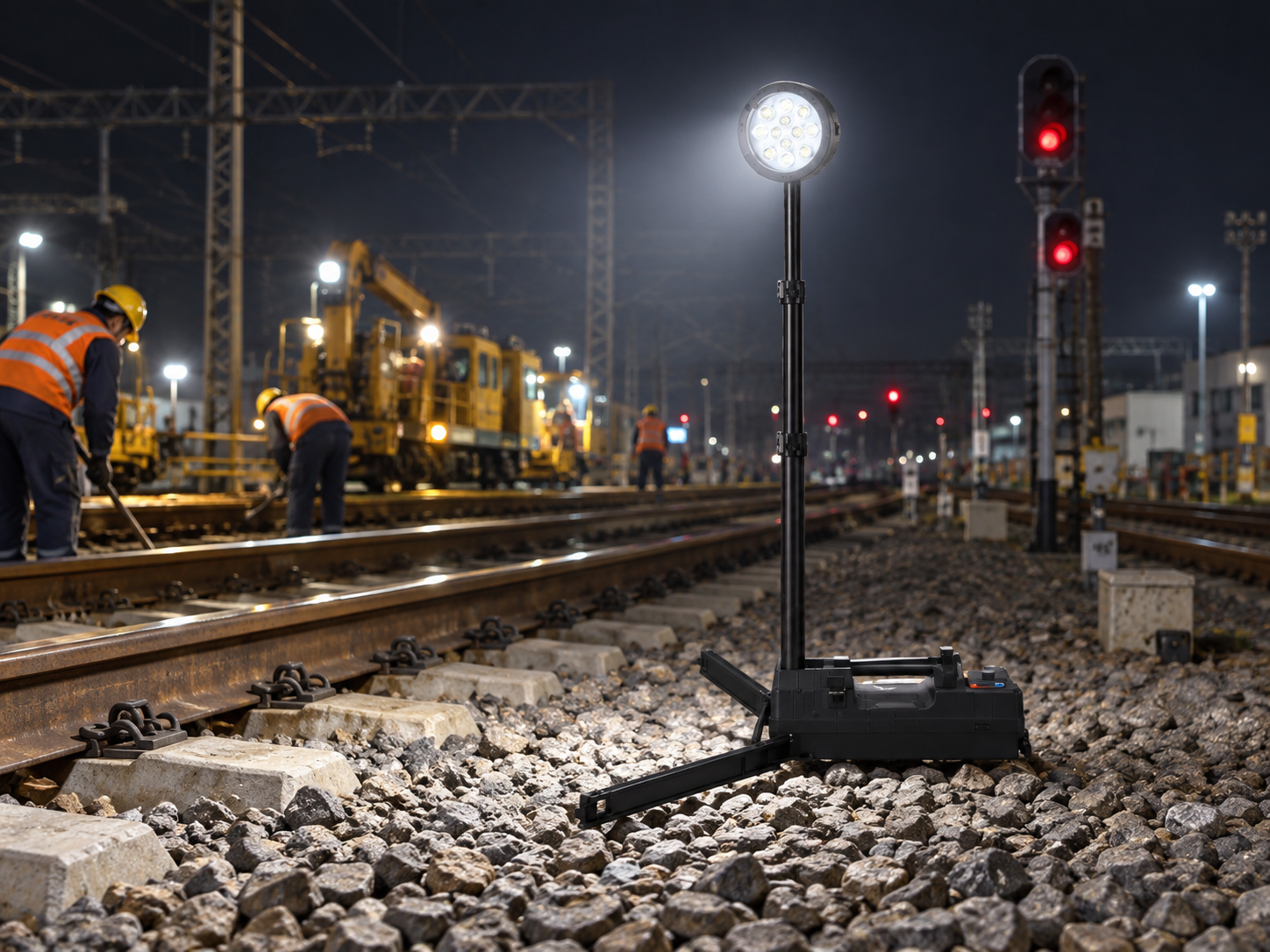
Resolve the wrong choice first
Zone and Class/Division are not interchangeable, and an IP rating is not hazardous location evidence. LFADJ uses the documented site requirement and exact model document pack to preserve that trade-off.
-
Buyers often ask whether an enclosure or ordinary LED retrofit is explosion proof; require applicable evidence.
-
Project teams struggle to compare Zone and Class/Division markings, so do not use them as interchangeable shorthand.
-
Procurement requests are too thin when they contain only the product name, wattage and quantity.
-
Do not approve a certificate that covers only a component, different variant, different manufacturing location or earlier configuration.
Build an Exact-Model Document Pack
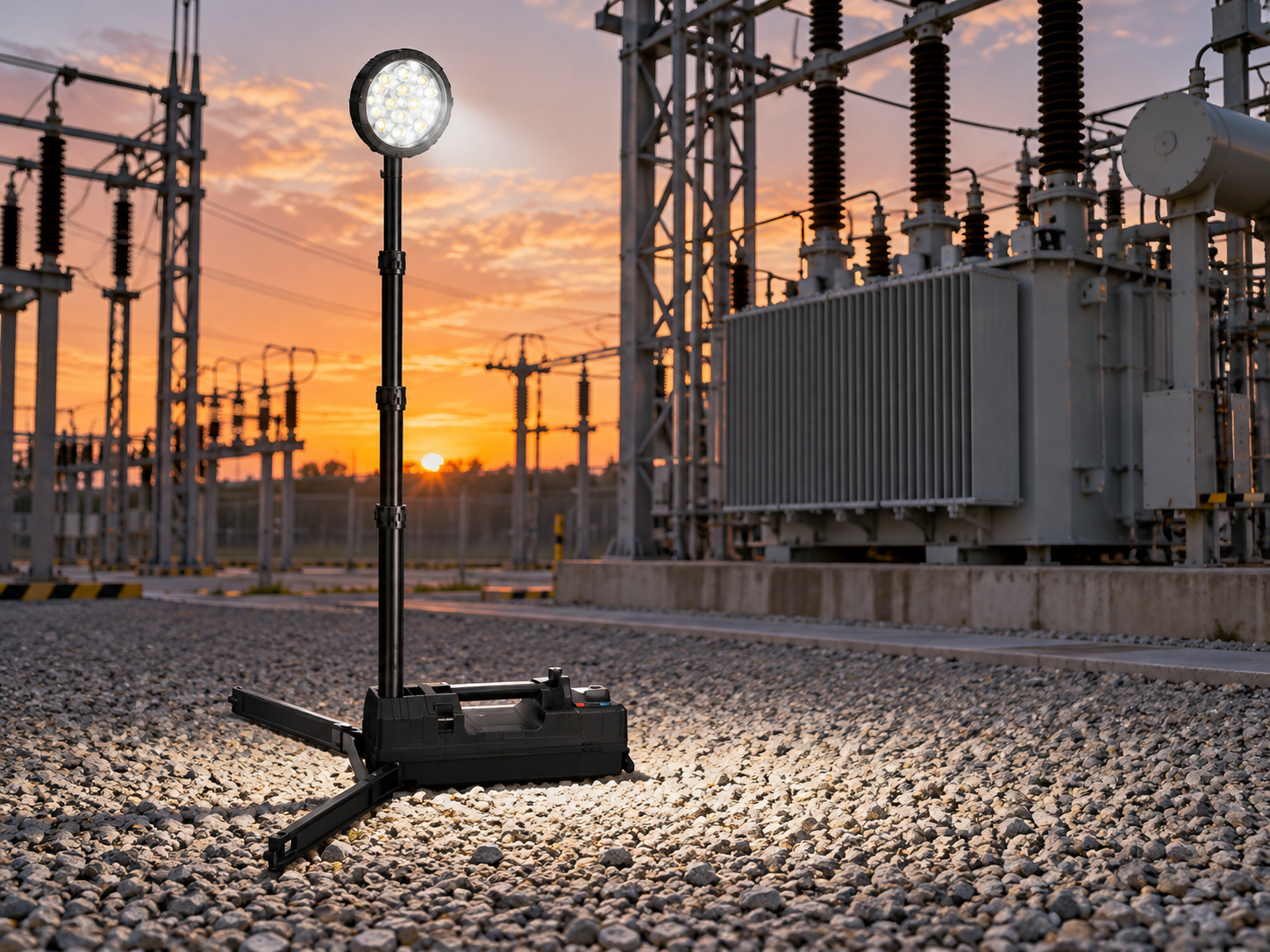
“Explosion-proof” doesn’t mean UL approval. The path to approval is jurisdiction and equipment category specific.
-
01
Exact-model datasheet and ordered configuration
-
02
Applicable certificate, declaration or conformity record
-
03
Schedule, annex and amendments where relevant
-
04
Product marking or nameplate information
-
05
Installation, operation and maintenance instructions
-
06
Special conditions of use and permitted accessories
-
07
Test report when applicable to the selected model
-
08
Commercial quotation matching the document pack
LFADJ evidence boundary
Zhejiang LONGFA Lighting holds ISO 9001:2015, ISO 14001:2015 and ISO 45001:2018 management-system certifications. These systems support company management, but they do not replace hazardous-location evidence for an individual luminaire.
- Management-system and product-approval scopes are reviewed separately.
- Flood-light documents are matched to the selected model.
- Some products also have explosion-proof certificates and tests. The availability and scope need to be confirmed for the selected flood-light model, and the page or quotation needs to be referenced.
Use the Project-Ready RFQ Builder
North American certification context: UL hazardous-areas certification
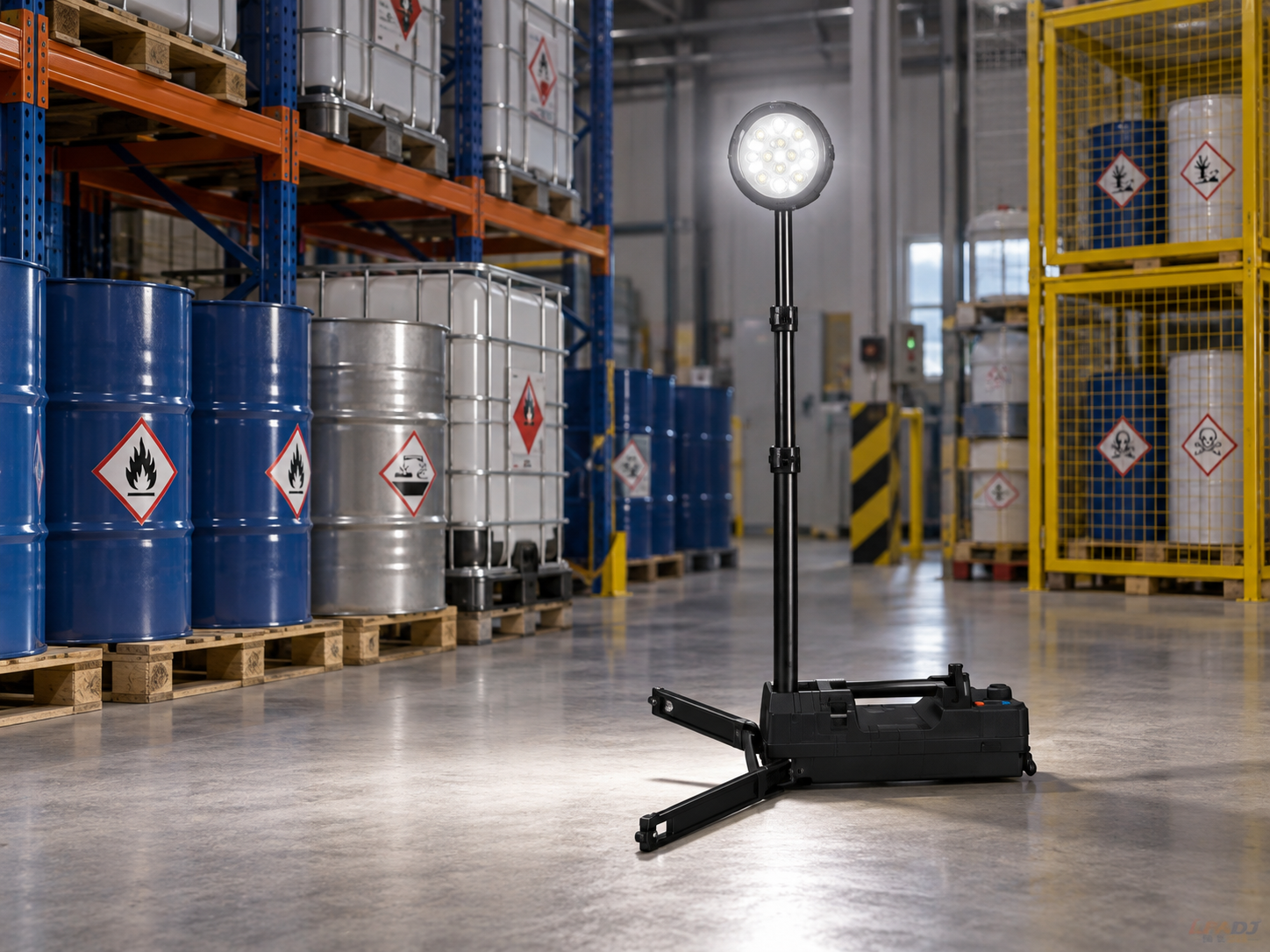
A request for proposal usually asks for wattage, product name, and quantity; a complete, structured RFQ gives suppliers the opportunity to answer the same safety, optical and commercial questions.
| RFQ category | Fields to provide | Why it changes the decision |
|---|---|---|
| Safety | Country, classification system, Zone or Class/Division, hazard group, temperature requirement | Defines the applicable product evidence |
| Electrical | Voltage, frequency, AC/DC, controls, cable-entry requirements | Prevents a configuration mismatch |
| Optical | Area dimensions, mounting height, target lux, beam/aiming needs, obstructions | Enables a comparable lighting proposal |
| Environment | Ambient range, dust, rain, washdown, corrosion, vibration | Defines enclosure and material questions |
| Installation | Bracket, wall/pole/structure, cable gland, maintenance access | Checks accessory and installation scope |
| Documents | Required approvals, datasheet, certificate/declaration, drawing, instructions, test report | Sets the approval deliverables |
| Commercial | Quantity, destination, required date, Incoterm request, warranty request, quote validity | Normalizes the supplied scope |
Plan Samples, Production and Order Quantity
Certified sample fixtures are prepared in 15-25 working days after technical confirmation. Production runs are scheduled at 25-35 days after deposit, confirmed with your quotation.
Because of a configuration mismatch, risk of delay and rework is introduced. The 15-25 day sample window and 25-35 day production schedule require a frozen technical brief.
Quotation-document context: Trade.gov pro forma invoice guidance
Sample planning
Use the sample stage to review model, configuration, markings and documents and confirm they are in line with the project brief.
Production planning
Approved configurations are frozen and documented before production scheduling. Changes to the approved configuration may require evidence to be reassessed.
Order planning
The planning MOQ is 50-100 pieces per model for explosion-proof project orders. Final quantity, timing and scope are stated in LFADJ's written quotation and contract.
LFADJ organization records; these do not establish exact-model hazardous-location approval.
| Record | Verified scope |
|---|---|
| Established in 2013 | Company history |
| ISO 9001:2015 | Quality management system |
| ISO 14001:2015 | Environmental management system |
| ISO 45001:2018 | Occupational health and safety management system |
| 2018 Panjin project | Government procurement project experience |
| Class 11 trademarks | LFADJ and LONGFA lamps trademark registrations |
Work With LFADJ From Selection to After-Sales
Pre-sale
We analyze the application, the requirements and the target. Based on the information, we help organize inputs for model selection.
In-sales
We communicate how the product is configured to meet the requirements of the project brief. We organize the supply connection in accordance with the agreed scope.
After-sales
We give product use consultation and handle post sale issues through our service center. Warranty, response time, maintenance and on site support are according to contract.
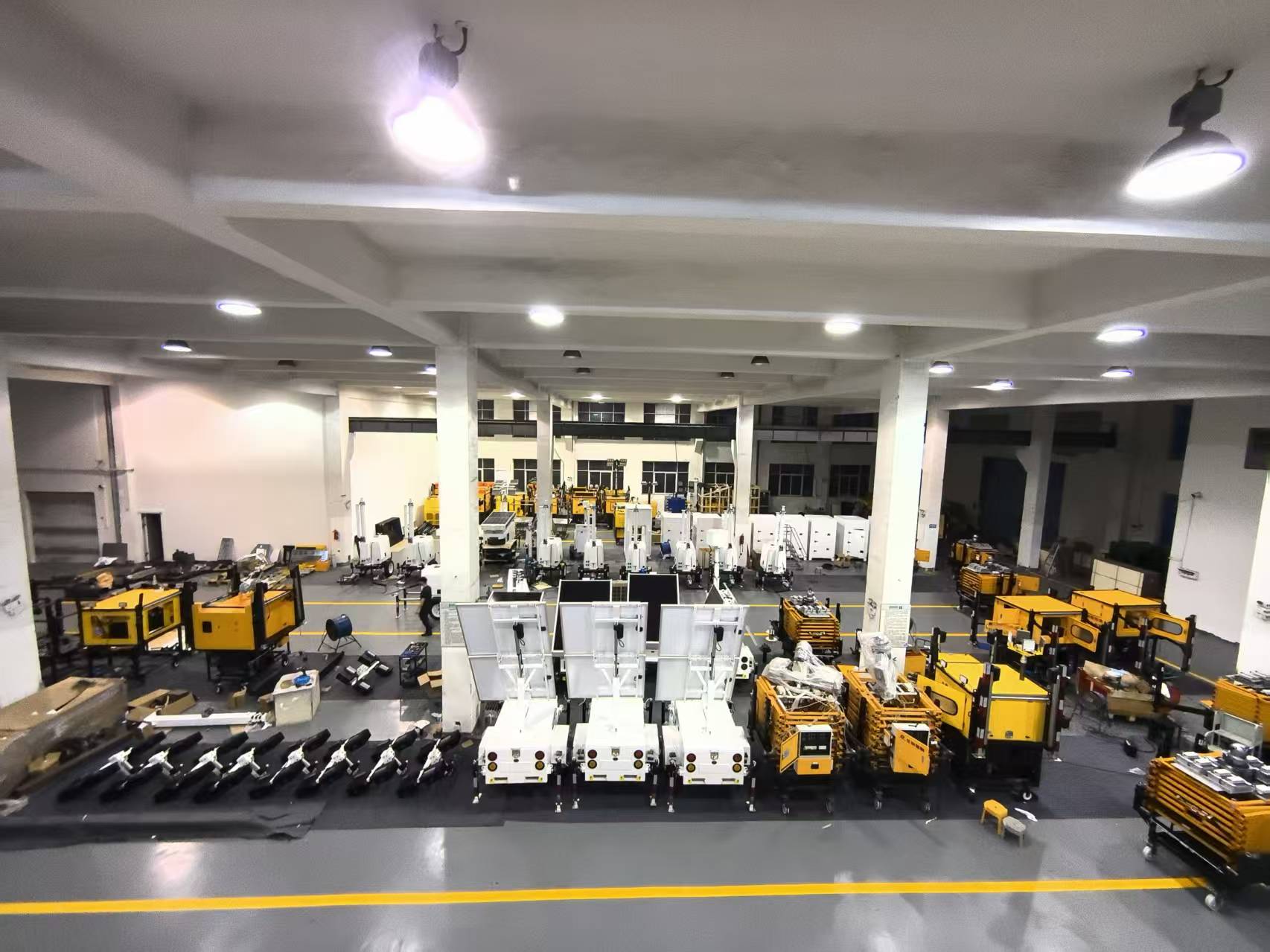
- LFADJ and LONGFA lamps Class 11 registered trademarks
- The management systems for quality, environment and occupational health and safety.
- Project experience including a 2018 Panjin municipal-government procurement contract
- Service in energy, power, petroleum and chemical, metallurgical, transport and public security sectors.
Explosion-Proof LED Flood Lights Tools
Project-Ready RFQ Builder
Safety, Electrical, Optical, Environment, Installation, Documents & Commercial
https://lfadjlight.com/explosion-proof-lighting/led-flood-lights/rfq-builder/Certificate-to-Site Match Check
Location System, Hazard Group, Temperature, Product Identity & Configuration
https://lfadjlight.com/explosion-proof-lighting/led-flood-lights/certificate-match/Commercial Quote Scorecard
Approval Deliverables, Technical Evidence & Commercial Scope Alignment
https://lfadjlight.com/explosion-proof-lighting/led-flood-lights/quote-scorecard/Explosion-Proof LED Flood Light FAQ
The complete luminaire should use protection and evidence methods commensurate with the documented hazardous location. The approval should be based on full, marked evidence and applicable installation conditions and not the name of the product.
1. No. An IP rating addresses ingress protection. Different evidences, appropriate to the location and the jurisdiction, must be presented for hazardous location suitability.
They describe different kinds of hazardous atmospheres in different ways. Select against the project specified system and the proposed product’s complete marking.
A marking indicating that the equipment is intended for Zone 2 would not prove suitability for Zone 1. Check the equipment protection level, group, temperature marking, certificate scope and installation requirements.
Check the model, product versus component status, variants and protection marking, and consider the ambient and special conditions, controlled configuration, and official record if available.
No. A management system certificate is for the process of the company; product suitability requires evidence for the selected luminaire and application.
Give the dimensions of the area, the height of the mounting surface, the average and minimum illuminance, obstructions and aiming limits, and environmental conditions. Show the requirements for the hazardous area before requesting a layout.
Give classification, group, temperature, voltage, mounting, lighting target, quantity, destination and the required documents. When permitted, give the area-classification schedule.
Certified sample fixtures are prepared in 15-25 working days after technical confirmation. The exact sample configuration and timing are confirmed in writing.
It may contain the model datasheet, applicable conformity or certification documents, instructions, and test reports. The documents depend on the selected model and contract.