Get in touch with LFADJ Company

LFADJ · INDUSTRIAL MOBILE LIGHTING
Mobile Light Towers for Industrial Worksites
We provide mobile light towers for night construction, equipment maintenance, and emergency operations. Compare diesel, solar, and portable lighting configurations, and select lamps, mast, power sources, and transport arrangements relevant to your site.
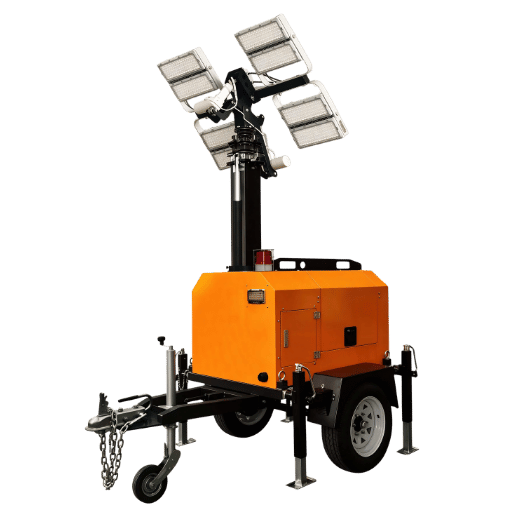
- ·D955 diesel: 4 × 400 W LED lamps
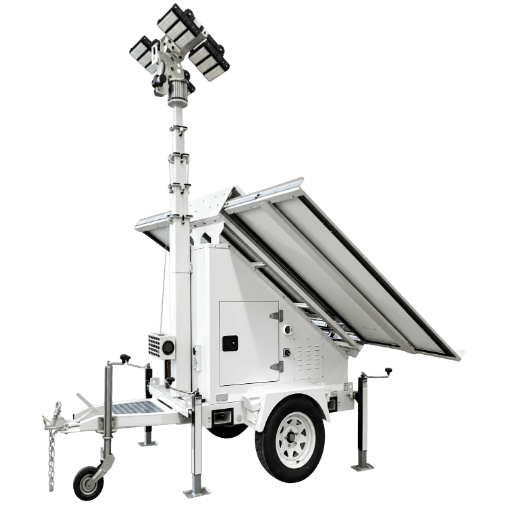
- ·S975 solar: 4 × 100 W LED lamps and 5.12 kWh nominal battery energy
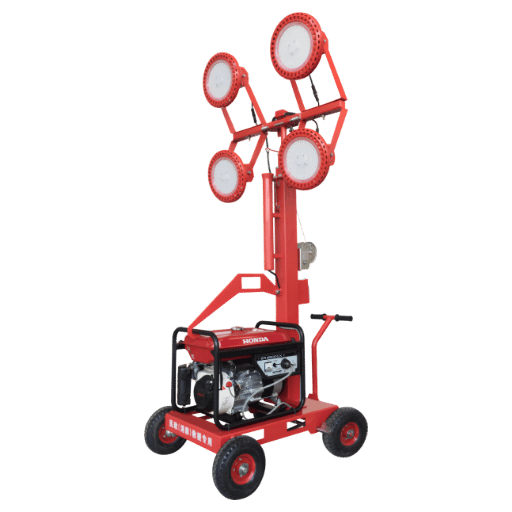
- ·Portable configuration: 4 × 200 W lamps and a 1.8–5 m mast
Send your application, site conditions, quantity, and destination to initiate a configuration discussion.
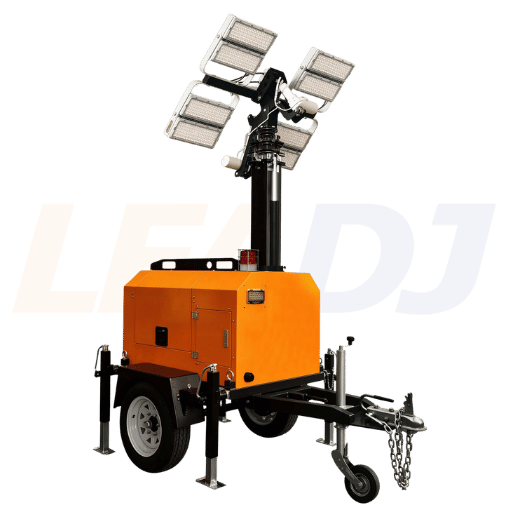
Industrial Mobile Lighting for Your Project
LFADJ provides industrial lighting manufacturing and application support. For equipment selection, we consider the work being done, power, and how the equipment is moved between locations.
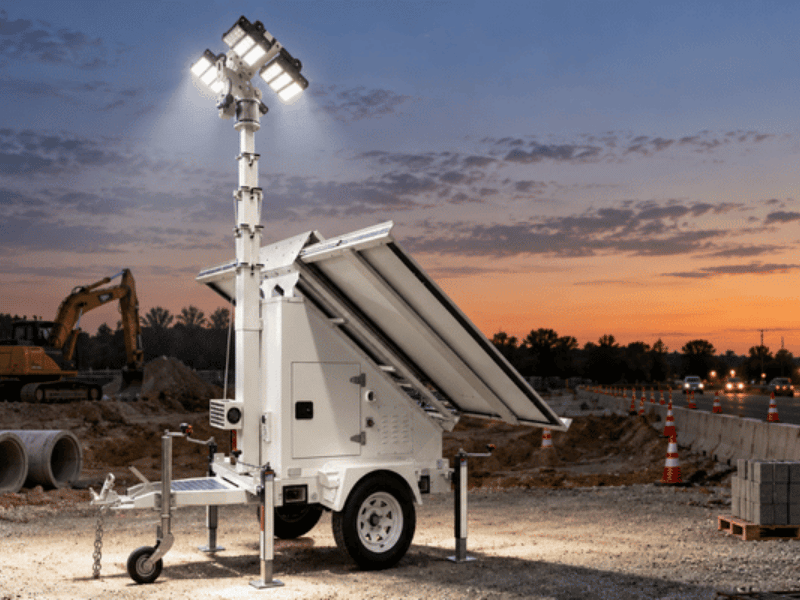
Start with the working area
Site lighting should reach the task without obstructing it with glare or deep shadows. Send required illuminance and working height and any nearby traffic conditions with your request, and the lighting solution can be assessed against the task.
Towable light towers for construction sites
For temporary work areas, we provide mobile lighting systems and lifting lighting systems for night construction and equipment inspections. A site plan with task positions, obstructions and access routes provides a practical starting point for selection.
- ·Road construction and civil works
- ·Electric power and industrial maintenance
- ·Railway, shipping and yard operations
Emergency and industrial operations
For emergency and industrial service tasks, tell us the operating conditions for product selection. Are crews requiring a towable light tower for an open area, or are crews requiring portable lighting towers for a more compact lighting setup in a restricted access route?
- ·Emergency rescue and temporary response areas
- ·Plant shutdowns and service work
- ·Temporary outdoor lighting where fixed lighting is unavailable
Diesel, Solar, Hybrid and Portable Light Towers
The trade-off for power is between fuel access, charging opportunity, and the lighting duty. Our D955, S975, and portable configurations give you starting points; discuss a hybrid light tower when more than one energy source is required for the project.
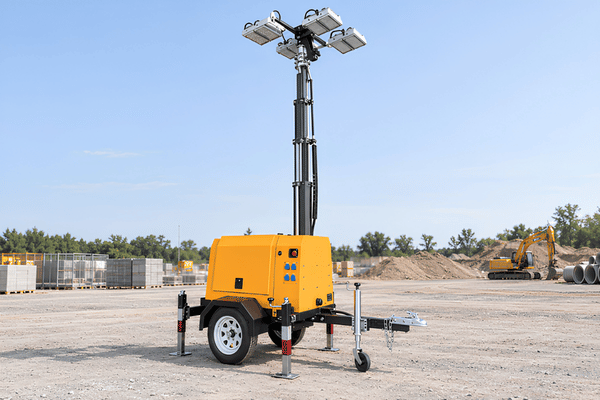
Diesel light towers: D955
Our D955 combines 4 × 400 W LED lamps with a 7 m hydraulic mast and a 100 L fuel tank. It suits project discussions where fuel delivery and engine servicing can be organised on site.
- Power arrangement: diesel engine and generator
- Mast movement: 340° rotation
- Electrical configuration: 120 V, 60 Hz
- Selection input: required light level, shift length and refuelling access
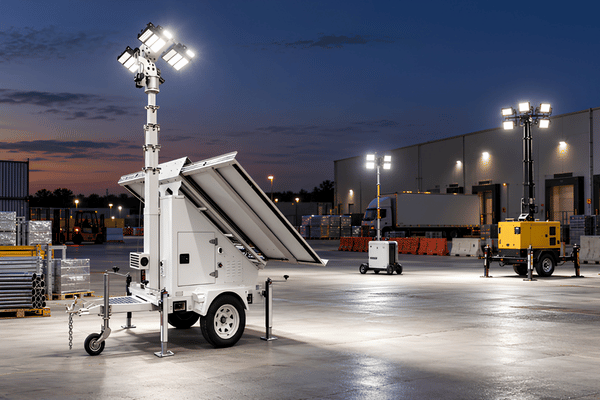
Solar light towers: S975
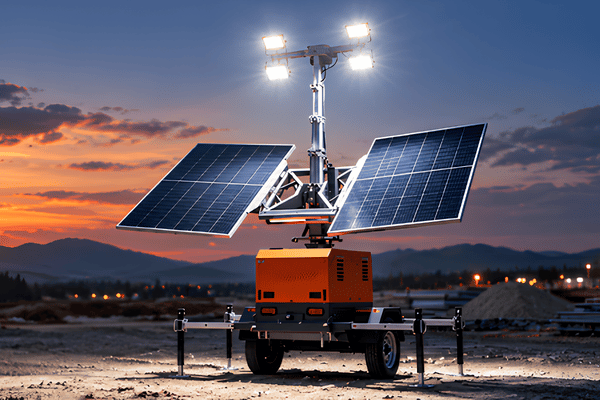
Our S975 combines 4 × 100 W LED lamps, 3 × 450 Wp solar panels and 5.12 kWh nominal battery energy. For battery powered lighting, compare the nightly load with usable storage and the charging conditions at the destination.
- Power arrangement: solar array and battery
- Raised height: 7 m
- Selection input: location, operating season, shading and nightly hours
- Project discussion: output setting, autonomy requirement and contingency charging
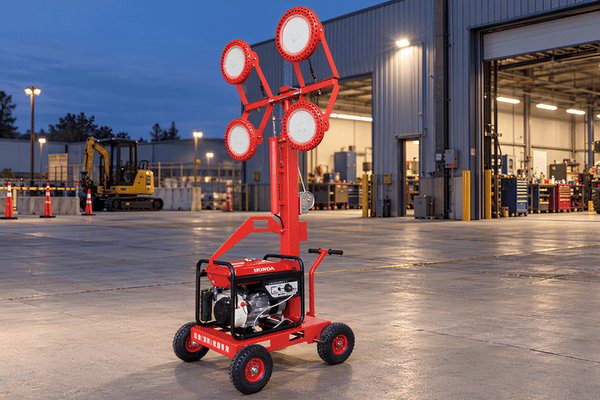
Portable light towers
Our portable configuration uses 4 × 200 W lamps on a 1.8–5 m mast. We offer this configuration for 220 V mains supply or a 2–2.5 kW gasoline generator arrangement.
- Mobility: wheeled trolley configuration
- Power input: match supply, plugs and protective devices
- Selection input: access width, ground condition and cable route
- Use: local maintenance, inspection and temporary work areas
Hybrid lighting requirements
A hybrid lighting brief should include the energy sources and the hours when the engine must be off. Review the required battery duty, recharge window and backup arrangement before finalizing the project configuration.
- Nightly lamp load and required operating hours
- Solar, mains or generator charging available
- Noise-sensitive periods and operating schedule
- Automatic control and remote monitoring requirements
LED Lighting, Mast and Power Configurations
Lamp wattage is not a coverage guarantee. More power does not necessarily deliver more useful light: fixture optics, mast height, aiming and obstructions determine how light reaches the task, while nearby drivers and crews need protection from glare.
| Selection factor | Detail to specify | Project consequence |
|---|---|---|
| Illumination and uniformity | Task-plane target, measurement positions and dark spots | Supports an acceptance check based on the work, not only total lumens |
| Mast and aiming | Required height, lamp direction and overhead clearance | Changes the light distribution and safe deployment space |
| Electrical supply | Voltage, frequency, connection and additional loads | 120 V and 220 V configurations are not interchangeable; match the supply and connected equipment |
| Operating duty | Hours per shift, output setting and charging window | Sets the energy demand and refuelling or recharging plan |
Shift Energy Check
An undersized battery creates a shutdown risk because the shift demands more usable energy than storage supplies; check this balance for the S975 lamp configuration. LFADJ's S975 lamp configuration totals 400 W, or 0.4 kW; for an illustrative eight-hour shift at that constant load, the lamps require 3.2 kWh before controls and conversion losses.
- ·Demand calculation: 4 × 100 W × 8 h ÷ 1,000 = 3.2 kWh
- ·Storage check: usable battery energy must cover the full system load and the chosen reserve.
- ·Recharge check: available solar or external charging must restore the energy used before the next duty period.
Nominal battery energy divided by lamp power can only provide an idealised estimate of duration, and is not a substitute for checking usable energy and full system load. A larger nominal battery does not necessarily cover the whole night: losses, discharge limits, temperature and auxiliary loads affect delivered runtime.
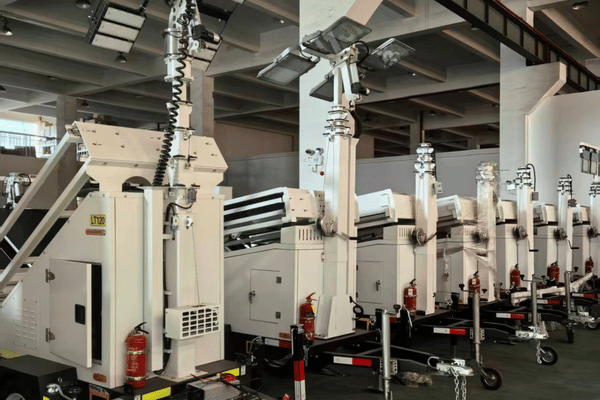
Project selection note: Set the required light at the task first, choose the power system that supports that duty.
Mobile Light Tower Specifications
The information below breaks out lamp power, mast movement and energy supply so you can compare the right parameters. Use the machine-specific numbers when making a request for quote, and add the requested destination’s electrical configuration.
| Configuration | Parameter | Specification |
|---|---|---|
| D955 diesel | LED lamps | 4 × 400 W |
| D955 diesel | Hydraulic mast height | 7 m (23.0 ft) |
| D955 diesel | Mast rotation | 340° |
| D955 diesel | Fuel tank | 100 L (26.4 US gal) |
| D955 diesel | Electrical configuration | 120 V, 60 Hz |
| S975 solar | LED lamps | 4 × 100 W |
| S975 solar | Solar array | 3 × 450 Wp |
| S975 solar | Nominal battery energy | 5.12 kWh |
| S975 solar | Folded dimensions, L × W × H | 2100 × 1450 × 2350 mm (82.7 × 57.1 × 92.5 in) |
| S975 solar | Deployed dimensions, L × W × H | 2650 × 2450 × 7000 mm (104.3 × 96.5 × 275.6 in) |
| Portable configuration | Lamps | 4 × 200 W |
| Portable configuration | Mast height | 1.8–5 m (5.9–16.4 ft) |
| Portable configuration | Supply options | 220 V mains or 2–2.5 kW gasoline generator |
Transport and deployment space
Transport dimensions and operating footprint are different. Our S975 folds to a width of 1450 mm and deploys to a width of 2450 mm; therefore, account for the working envelope, panel exposure and access around the unit.
- ·Check loading access, lifting method and transport restraints.
- ·Provide the ground condition and available setup area.
- ·Confirm towing equipment and road-use requirements for the destination.
Project Pricing and Operating Costs
As your supplier of mobile light towers, we quote the configuration based on your application, quantity and delivery location. The scope of supply may depend on the configuration of the lamp package, mast, engine or battery system, electrical arrangement and documentation requirements.
| Quote input | Cost driver | Useful preparation |
|---|---|---|
| Worksite and lighting target | Lamp arrangement, tower quantity and placement | Send a layout with the tasks and areas to illuminate |
| Shift and energy source | Fuel system, battery storage, charging and controls | State the hours, output setting and available supply |
| Destination and transport | Electrical configuration, engine requirements and delivery scope | Provide destination, unloading arrangements and intended towing use |
| Project schedule and quantity | Configuration work, production planning and freight | Give the required arrival date and purchase quantity |
Same-Duty Cost Comparison
Depending on refuelling access, the operating plan may change. A lower purchase price is not always the lower project cost, considering the cost of fuel delivery, maintenance access, labour and transport may vary.
- ·Hold the required illumination and operating schedule constant.
- ·Calculate energy and fuel costs using measured or quoted inputs.
- ·Add servicing, refuelling labour, transport and battery replacement allowances.
- ·The cost of acquisition and disposal should be analyzed separately from the operating costs.
You can view the assumptions and test scenarios in the comparison tool. For example, you can test a longer duration for the project or a different fuel price. The tool does not assume pre-defined savings for diesel, solar, or hybrid lighting.
Compare project operating costsQuotation, delivery and support scope
Prior to supply, we determine the product configuration and address any technical concerns. Simultaneously request the production schedule, delivery terms, payment terms and required documents to ensure the quotation accurately reflects the project.
- ·State whether the deadline means factory dispatch or arrival on site.
- ·Include spare parts, use guidance and service expectations in the enquiry.
- ·Warranty period, response time and on-site support scope are set in the project contract.
QUALITY ASSURANCE · SITE ACCEPTANCE
Quality Assurance and Site Acceptance
We assist you with product and selection support and advise you on the technical aspects related to your requirements. Agree on configuration and acceptance criteria to define the requirements for the delivered equipment. This allows the equipment to be verified against the project requirements.
| Site Acceptance Checklist | Check before acceptance | Record to retain |
|---|---|---|
| Light at the task | Measure required points and inspect shadows and glare | Layout, lamp aiming and readings at the working plane |
| Mast and stability | Follow the model instructions for ground, supports, wind and clearance | Configuration and site setup check |
| Electrical compatibility | Match voltage, frequency, protection and connection to the supply | Electrical arrangement and applicable inspection results |
| Shift duty | Check the agreed load and output setting over the required schedule | Operating conditions, energy use and recharge or refuelling record |
| Delivery scope | Match model, quantity, accessories and documents to the order | Receiving inspection and agreed discrepancy process |
Destination and electrical requirements
For United States projects, check the actual diesel engine family and model year against the relevant EPA certificate; an engine certificate does not imply that the lighting tower or trailer has been approved. EPA certificates are specific to one model year of engine production.
- · Identify the destination requirements during configuration, before shipment.
- · For construction power, have a qualified electrician apply OSHA 29 CFR 1926.404 and local electric code to the supply in question.
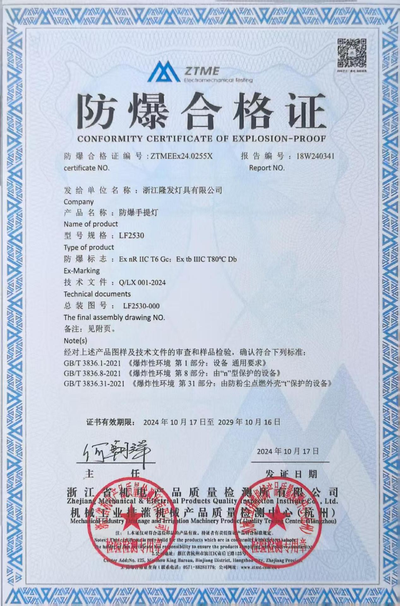
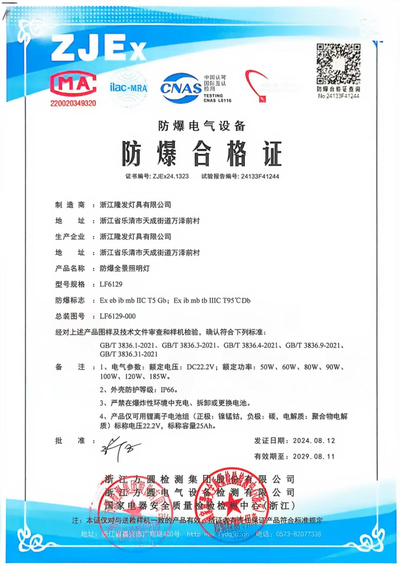
- · Provide the hazardous-area classification if the application involves flammable gases or dust; explosion-proof equipment selection is model-specific.
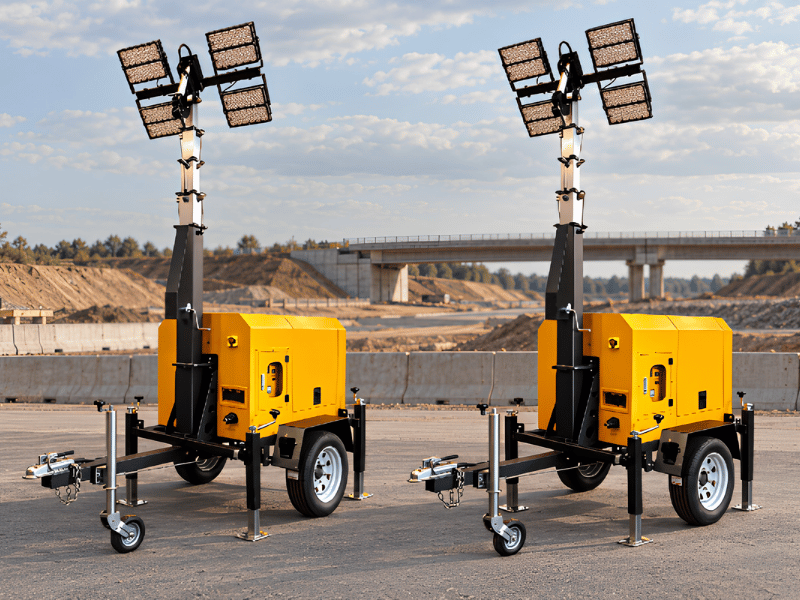
Jobsite setup and operator checks
Establish how the crew will operate, move and service the unit once it is delivered to the jobsite. For reliable operation, have an operator check the setup and perform maintenance per the model’s interval. This should be included in the shift plan.
- · Before dusk, inspect supports, cables and lamp aiming against the site needs.
- · Keep access clear for servicing diesel and solar equipment, including fuel delivery or panel cleaning.
- · Check the model's maximum wind limit and mast-lowering instructions before raising the vertical mast.
- · Discuss ease of use with the crew: control access, moving the unit and lowering it for transport.
- · Record service needs and spare parts so planned maintenance accounts for downtime.
Include acceptance points in the enquiry.
Discuss my Site Conditions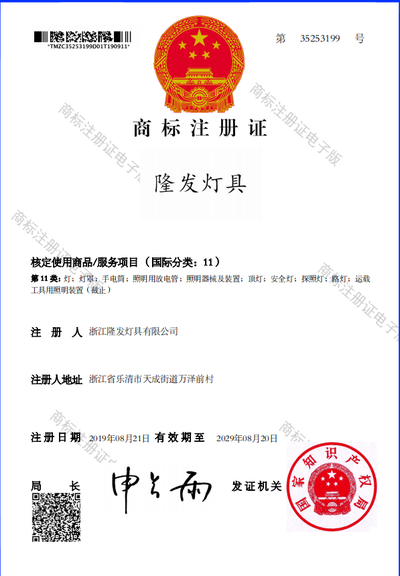
How We Work: From Site Requirements to Delivery
We provide project-based mobile lighting from product selection to supply coordination and after sales services. A clear handover between site requirements, configuration and contract terms allows each responsibility to be clearly defined.
-
Explain your needs. Submit application details, layout and the required level of lighting, shift and site conditions.
-
Examine power options. We will review potential configurations against the constraints of supply, access, and operating schedule.
-
Finalize equipment. Agree on lamps, mast, power system and controls, accessories and destination requirements.
-
Finalize commercial scope. Agree quantity, price, schedule, and delivery terms. Define support responsibilities in the order.
-
Check delivery. Confirm the supplied configuration and supporting documents against the agreed scope.
-
Support operation. We provide use consultation and after-sales problem handling under the project contract.
A useful first enquiry
- · Application and destination
- · Work-area dimensions, tasks and required illuminance
- · Operating hours, season and charging or refuelling access
- · Ground conditions, wind exposure and transport route
- · Quantity, required arrival date and support scope
When reporting a problem with equipment, give the model, serial number, operating conditions, and clear photographs. This helps focus the service discussion to the specific problem.
Case Study: Industrial Lighting Project Experience
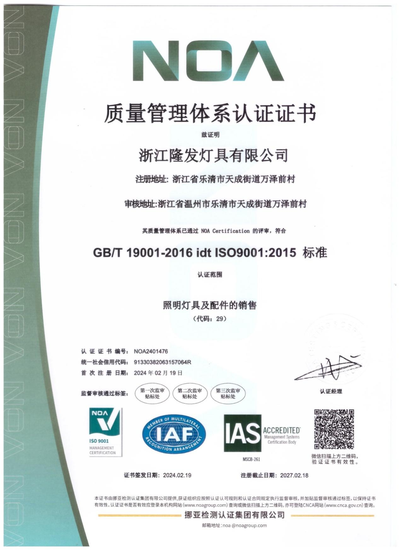
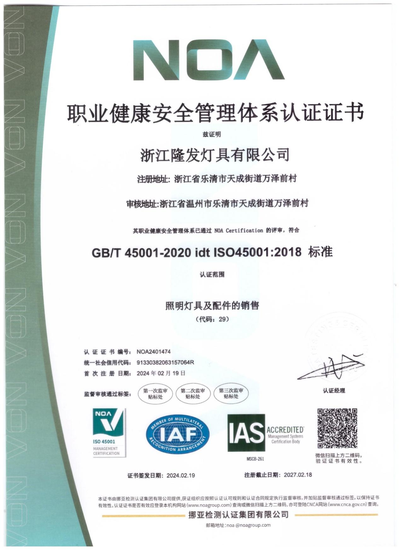
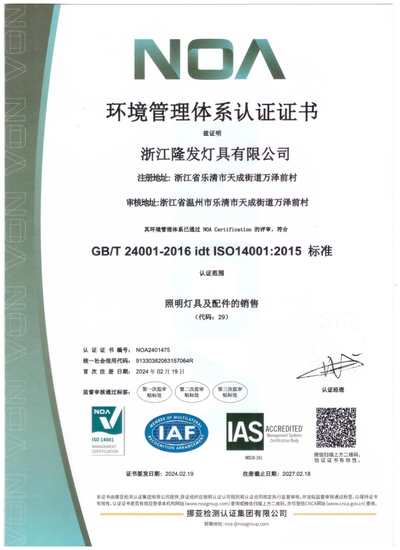
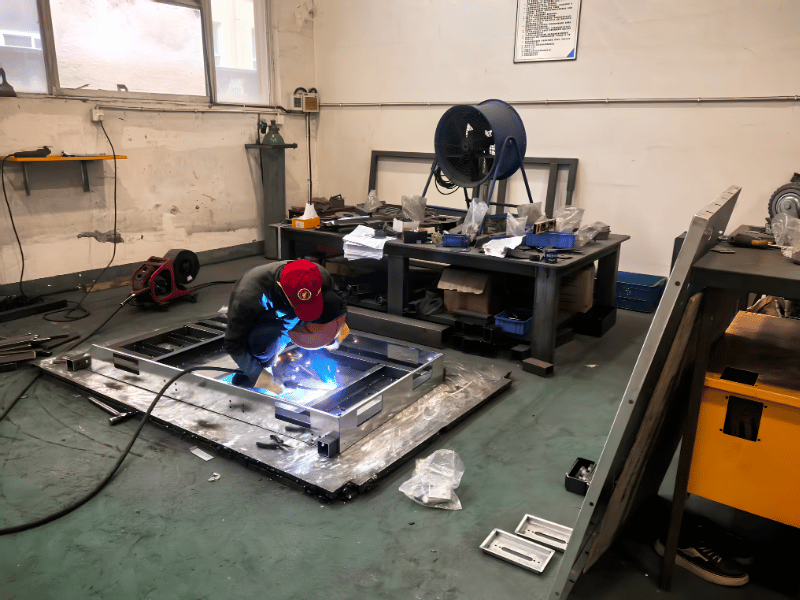
Zhejiang LONGFA Lighting Co., Ltd. was established in 2013 in Yueqing, Zhejiang. Our business combines research and development, manufacturing, trade and service for industrial, mobile and emergency lighting applications.
Indonesia project, 2023
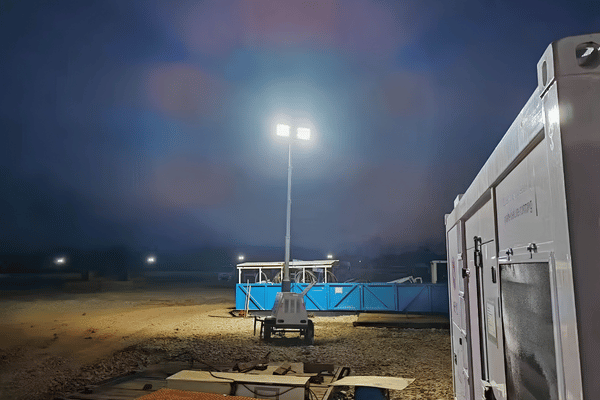
We supplied eight mobile light towers for an Indonesia project in 2023. That project used four 1000 W LED lamps and a 9 m manually raised mast per tower, a distinct configuration from the D955 and S975 shown above.
- Delivered quantity: 8 mobile light towers
- Project mast: 9 m (29.5 ft), manual raising
- Lamp arrangement: 4 × 1000 W LED per tower
This project will serve as a reference for us to assess your lighting requirement for another project. We will review equipment for the new application based on your operating conditions.
Site Conditions That Change the Selection
Available sunlight must match the lighting schedule. For a solar-powered installation, location, shading, panel orientation and seasonal weather affect the energy available for the next shift.
| Site condition | Selection constraint | Practical next step |
|---|---|---|
| Long winter shifts or repeated poor-sun days | Nightly energy demand can exceed replenishment | Review usable battery energy, load setting and a suitable backup or recharge plan |
| Roadworks beside moving traffic | More brightness can increase glare when fixtures face drivers | Plan lamp aiming, shielding and placement around the traffic path |
| Enclosed or partly enclosed work area | A combustion-powered mobile lighting tower is the wrong choice inside an occupied enclosure because of exhaust | Discuss an appropriate electric lighting supply and keep combustion equipment outdoors |
| Overhead lines, soft ground or restricted setup space | Mast movement and supports need a safe operating envelope | Check the site and model instructions before deployment; choose another position or configuration |
| Hazardous process area | A standard mobile tower is not automatically explosion-proof | Provide the zone, gas or dust classification and required equipment protection |
Task light levels and unit conversion
OSHA 29 CFR 1926.56 Table D-3 lists 5 foot-candles for general construction area lighting, approximately 54 lux. Other tasks have different entries, so use the criterion for the actual operation and jurisdiction.
- · State whether the quoted level is minimum or average.
- · Compare the same measurement plane and operating conditions.
- · Check glare and obstructions alongside the light-level readings.
Mobile Light Tower Calculation and Planning Tools
Calculate shift energy demand in kWh from lamp wattage and operating hours. Check battery storage capacity and recharge requirements before selecting a configuration.
Compare operating expenses across diesel, solar, and hybrid light towers under identical shift schedules. Test project duration, fuel price, and servicing inputs.
Convert task illuminance values between lux and foot-candles for worksite lighting plans. Match measurement units to project specifications and safety standards.
Request a Mobile Lighting Project Quote
Choose LFADJ as your mobile lighting equipment supplier to discuss a configuration for your requirements. Send your requirements including conditions at the site, the number, and destination and we will help you compare mobile light towers.
-
·
Application: construction, maintenance, inspection or emergency work
-
·
Site: lighting target, shift, power access and setup conditions
-
·
Supply: quantity, destination and required delivery date
Mobile Light Tower FAQs
Which power source suits a remote worksite?
Diesel supports projects with an organised fuel and service route; solar selection depends on the site resource and nightly demand. Our D955 uses a 100 L fuel tank, while the S975 uses 5.12 kWh nominal battery energy; compare the complete duty before choosing.
How much area can one LED light tower illuminate?
Specify the required illuminance and measurement plane before comparing coverage figures. A 4 × 400 W lamp package and a 4 × 100 W package cannot be compared by area alone without the layout, optics, aiming and acceptance level.
How long will a solar light tower run?
Runtime depends on usable stored energy, actual system load, output setting and operating conditions. Our S975 has 5.12 kWh nominal battery energy; send your shift and seasonal site conditions for a configuration review.
Can a portable generator light tower power other equipment?
Verify the generator’s available auxiliary output, voltage, frequency, and receptacles, and check the permitted combined load for the specific configuration. For a building connection, a qualified electrician must also install an appropriate transfer switch; a lamp rating alone does not define building-backup capability.8
Should our project buy light towers or use rental equipment?
Compare the proposed utilization, transport, maintenance requirements and duration to a rental quote. For mobile light towers for sale, we can discuss your purchase requirements including quantity, destination, and other particulars to assist your equipment comparison.
Can LFADJ supply lighting for a specific voltage?
We review the electrical requirement during configuration. The D955 data shown here is 120 V, 60 Hz, and the portable configuration includes a 220 V mains option; state your required voltage, frequency and connections in the enquiry.
What changes the price and delivery schedule?
Lamps, mast, power system, quantity, destination requirements and transport scope affect the quotation. Send the required arrival date with your configuration, such as the D955 7 m hydraulic-mast arrangement, so production and delivery can be discussed together.
What after-sales support should be included in the order?
Include product-use guidance, spare parts, the warranty period, response expectations and any on-site support in the project contract. We provide consultation and after-sales problem handling against that agreed scope.
Are all mobile lighting systems suitable for hazardous areas?
No; equipment must be classified for the hazardous area and the conditions covered by the specific approval. Provide gas or dust conditions and the required protection before selecting a model.