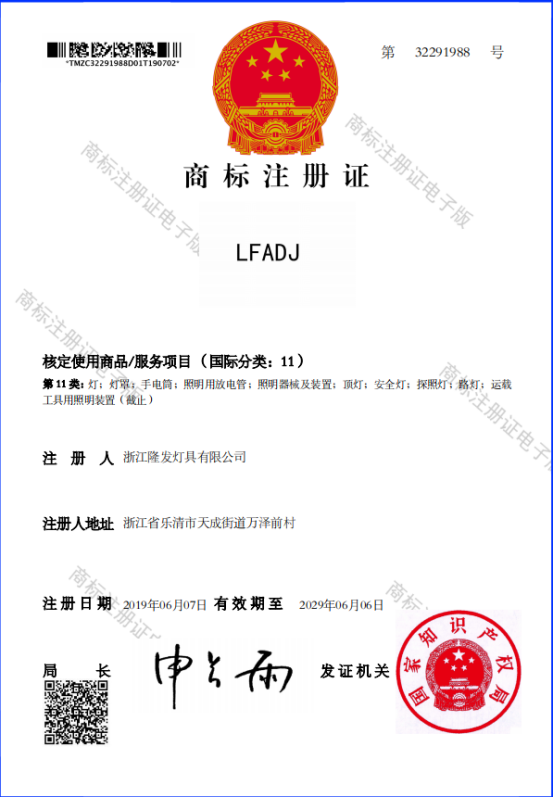
Get in touch with LFADJ Company

Mobile Emergency Lighting for Difficult-Access Scenes
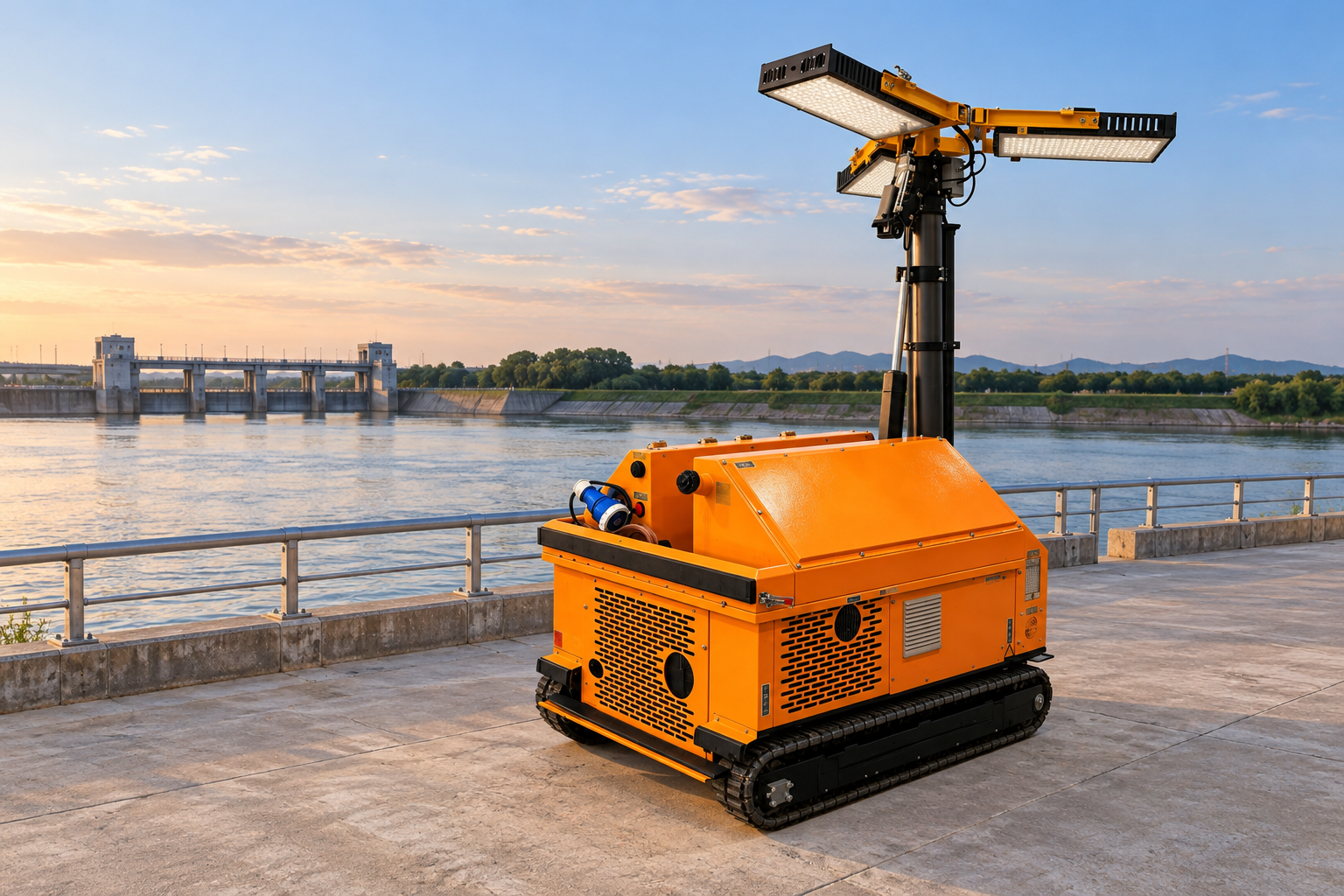
- Tracked self-propelled platform
- 5.4 m raised height
- Panel and remote control
- MOQ 1 unit
Our tracked mobile emergency lighting system is ideal for temporary project and rescue situations where access and deployment of lighting is a concern. We configure the inquiry based on your work area, work surface, duty time and operating constraints before quoting.
RFP
Send your request for proposal, quantity and destination. If available, send route drawings or details.
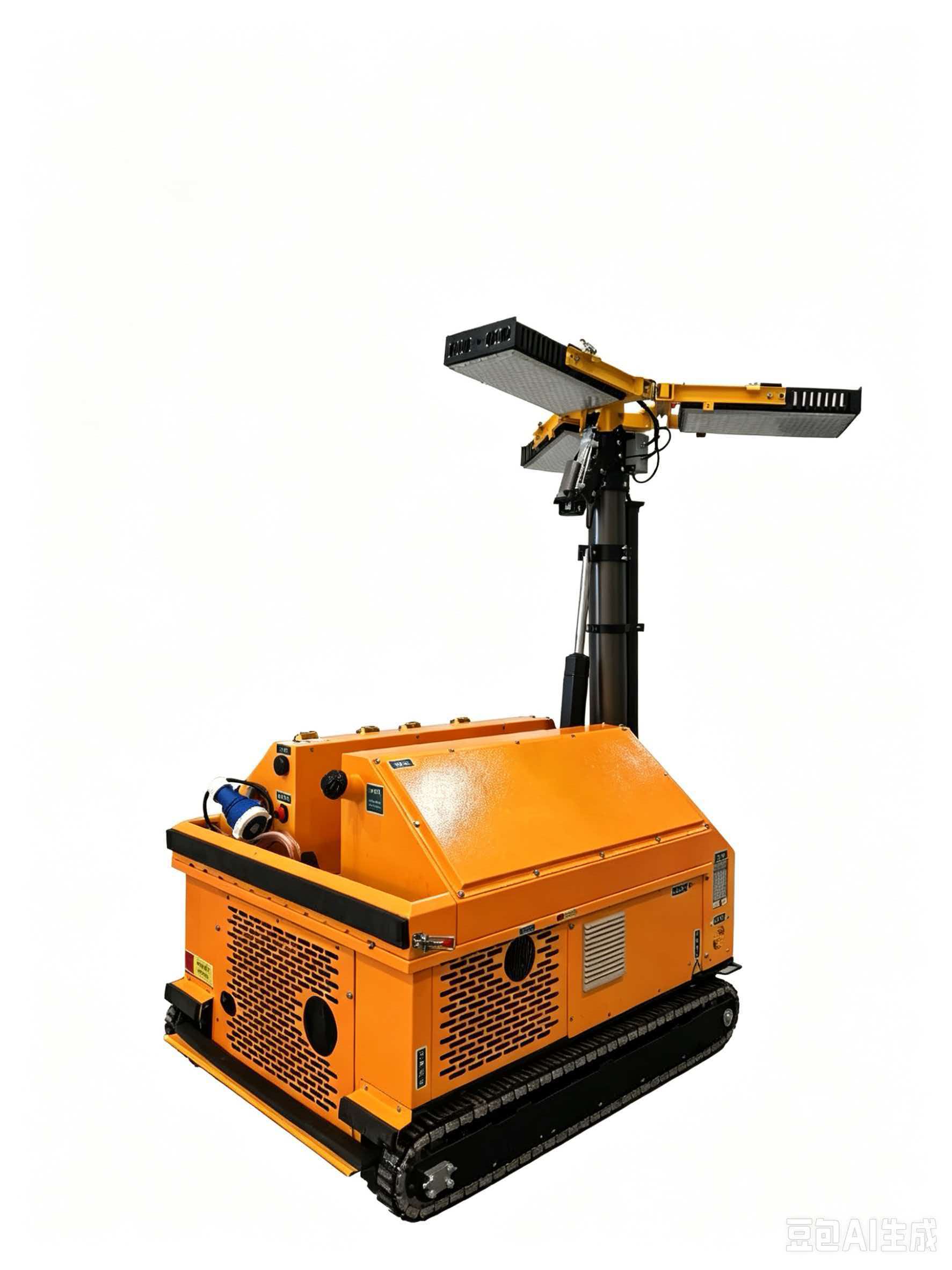
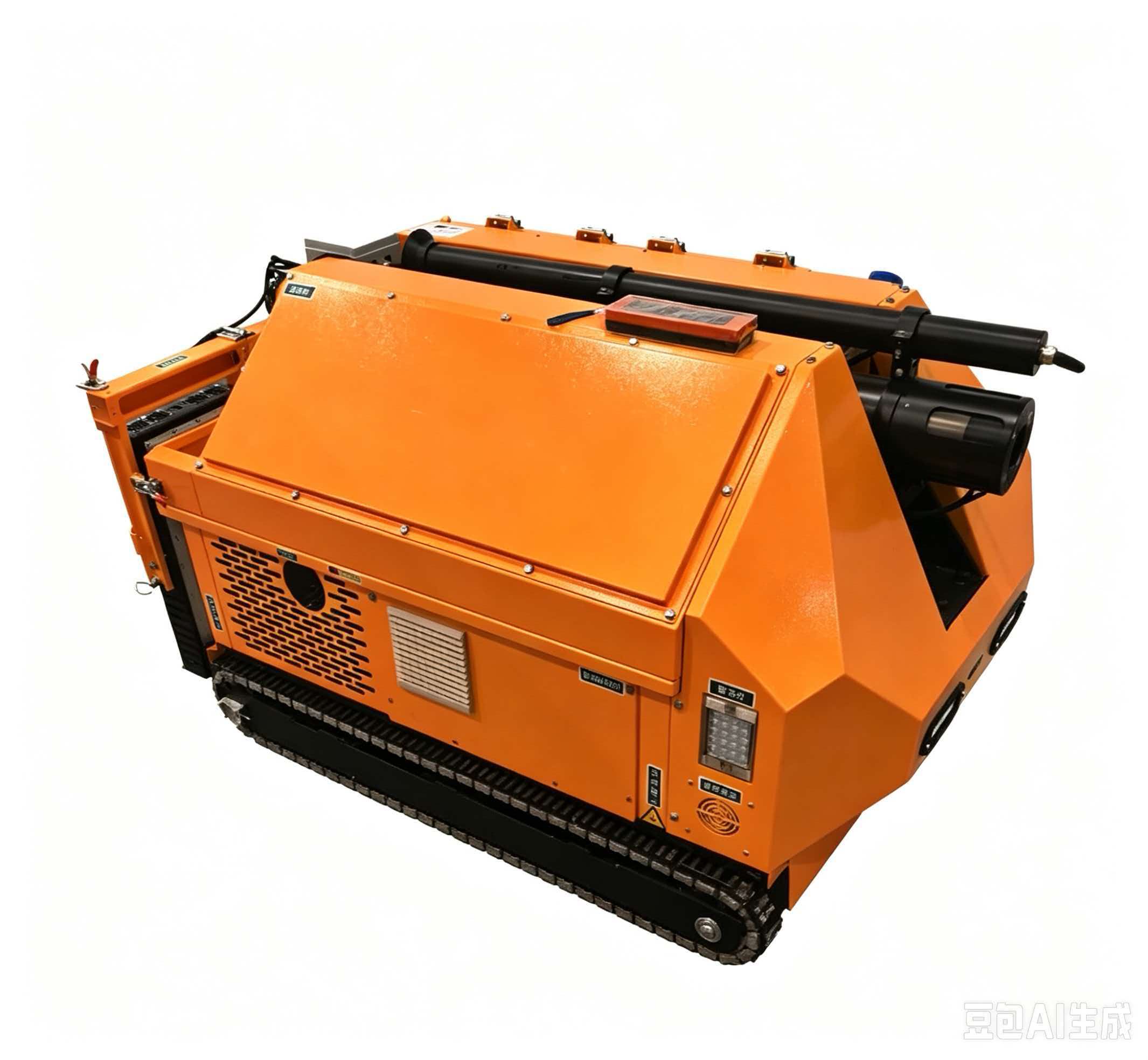
01 / 02 — CLICK IMAGE TO SWITCH
Specifications
- Mobility
- Tracked, self-propelled chassis
- Maximum raised height
- 5.4 m source-stated value
- Lighting load
- 3 kW, not a lux claim
- Runtime
- 8 h source-stated value
- Control
- Panel and remote operation
- Ordering
- Single-unit orders accepted
Tracked Deployment and Lighting Capabilities
Route access and setup conditions are evaluated separately, as travel capability does not ensure stability with the mast raised; an HSE overhead-line incident shows why clearance belongs in that review. The configuration quoted should reflect both the route and the stable condition of the equipment at the scene.
01 // Mobility Vector
Tracked movement
The supplied product-version information, travel speed of 0.8 m/s, climb angle of up to 30 degrees and obstacle clearance of 8 cm (10 cm for the Pro version) are treated as product statements, not as a substitute for a route survey.
- Record the narrowest access point
- Mark soft ground, drop-offs and turning limits
- Separate travel slope from operating slope
02 // Outrigger Matrix
Four-point setup
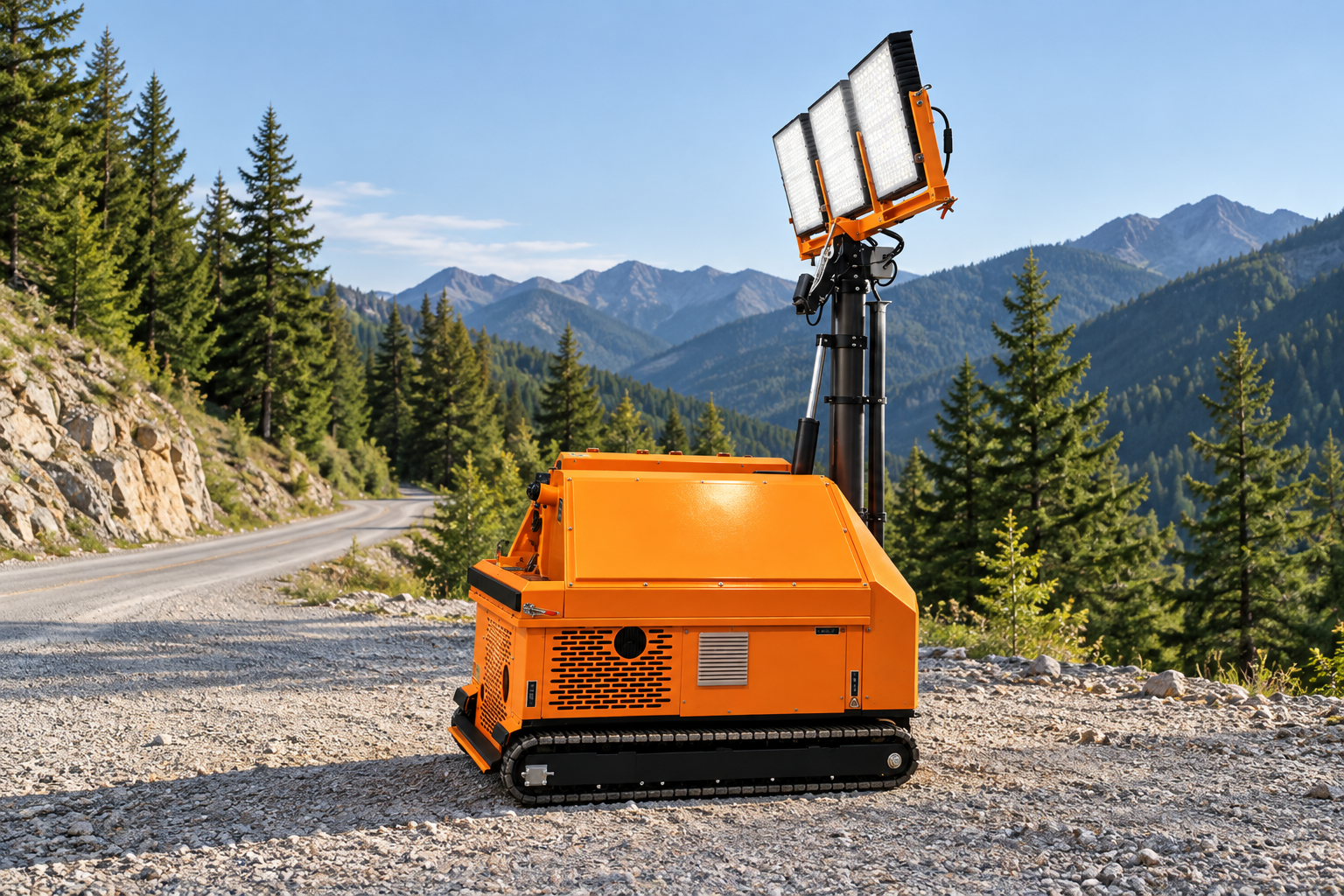
The product material lists four adjustable supports and a 12 cm leveling range. We ask for surface type, ground strength and setup slope before recommending deployment.
- Check contact beneath every support
- Recheck level before mast movement
- Plan loading, unloading and recovery
Project boundary: the source-stated 30-degree climbing figure does not establish raised-mast operation on a 30-degree slope.
03 // Specification Logic
Search labels need an operating definition
Equipment such as a light tower, portable scene lighting, emergency light tower and a rescue lighting system may cover similar buyer intent. Rescue lighting systems may include portable and handheld equipment. The focus of the right reply is to bind the tracked light tower to the scenario, route and task.
- 01 Rated power is not a substitute for task-plane measurement.
- 02 Travel capability is not a substitute for raised-mast stability.
- 03 Company certification is not a substitute for exact-model documentation.
Mobile Emergency Lighting Site-Input Matrix
| Input Node | Selection Effect | Information to Provide |
|---|---|---|
|
01
Area and task |
Inspection, excavation, repair and rescue need different task-plane visibility. |
Dimensions, work points and required illumination basis |
|
02
Surface and slope |
Travel and raised-mast conditions must be reviewed separately. |
Surface, route slope and setup position |
|
03
Access route |
Width, turns and obstacles determine whether the unit can reach the scene. |
Gate width, obstacle height and transport method |
|
04
Duty period |
Runtime comparison needs the load, mode and reserve. |
Lighting, travel, standby and refueling periods |
|
05
Overhead envelope |
The mast needs clearance from conductors and structures. |
Maximum safe height and mapped hazards |
|
06
Environment |
Wind, rain, temperature and exhaust restrictions affect use. |
Site conditions and applicable safety rules |
Light-Head Arrangement & Scene Application
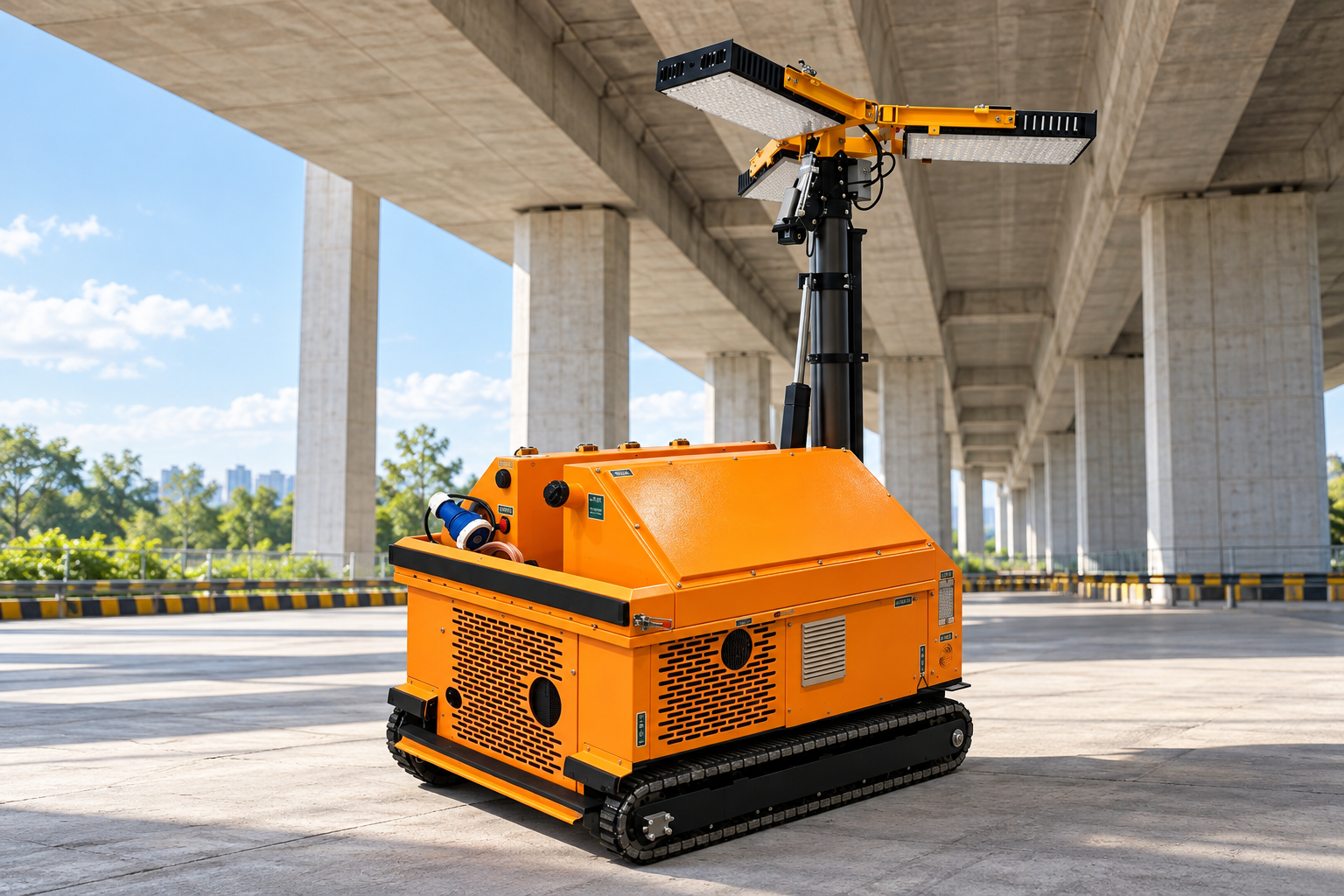
LFADJ can review a three-head single-side arrangement for a concentrated work zone or the surrounding arrangement described in the supplied material. The trade-off is that neither arrangement proves uniform coverage until the task plane, aiming and obstructions are evaluated.
SAFETY_PROTOCOL
NIOSH includes insufficient and excessive lighting in emergency situations. USFA indicates that poor placement of lighting can affect visibility at roadway incidents.
Directional work zone
Strike a balance between lighting the task and minimizing glare.
Surrounding scene
Map occupied, exclusion, and traffic zones before all-direction arrangement. Independent personal or egress lighting should be utilized for all movement if the tower stops.
Remote operation
Panel and remote control are listed in the supplied product material. Confirm control range, interlocks and the model-specific operating sequence before site acceptance.
Applications to qualify
- Construction, excavation and engineering repair
- Fire, rescue and disaster-response support
- Industrial inspection and night maintenance
- Roadway incidents with a controlled temporary work zone
SYS.DIAGNOSTICS
ZONE MAPPING : ACTV
Model Specifications and Operating Boundaries
Source-stated values are used only for the configuration represented. The caveat is a strong electrical specification is not always a complete scene-lighting specification.
Rated voltage / frequency
220 V / 50 Hz
Rated voltage / frequency
220 V / 50 Hz
Confirm destination compatibility
Lighting power
3 kW
Does not establish lux or coverage
Maximum raised height
5.4 m
Subject to clearance and stability review
Runtime
8 h
Confirm load, mode and test endpoint
Travel speed
0.8 m/s
Actual speed depends on the route
Fuel / tank
Gasoline / 20 L
Plan exhaust, refueling and storage
Lamp-head protection
IP65
Material separately states whole-unit rain resistance
Weight
325 kg
480 kg Pro
Dimensions
1400 × 950 × 900 mm
1400 × 1000 × 1100 mm Pro
Obstacle clearance
8 cm
10 cm Pro
Generator rating requires confirmation
01 // VERIFYThe supplied prose states 5 kW while the table states 4 kW. We exclude the generator rating from the purchase specification until LFADJ confirms the quoted model.
Scene-Lighting vs Electrical Load
02 // STANDARDElectrical load is not task-plane illumination. OSHA 29 CFR 1926.56 assigns different minimum lighting levels to different construction operations, so acceptance belongs at the actual work plane. Patent EP2557350A2 treats mast height, aiming and wind response as separate mobile-light-tower design questions.
Ordering, Pricing and Delivery Scope
01 / SPECIFICATIONS
Configuration scope
Price is a function of model selected, accessories, document pack, quantity and destination. We identify site inputs before finalizing the technical scope.
02 / PROCESS
Payment
Payment is 50% deposit, with the balance paid before shipment. The contract confirms banking details and shipment release.
03 / RESOURCES
Contract variables
Lead time, warranty, service response, terms of sale and on-site support are confirmed in the quotation/contract. We do not assume unsupported values.
Quality Evidence for the Quoted Configuration
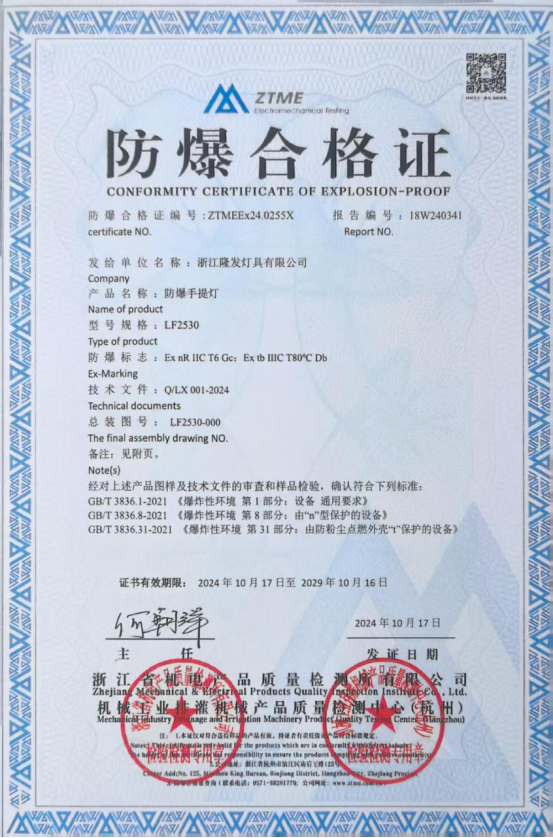
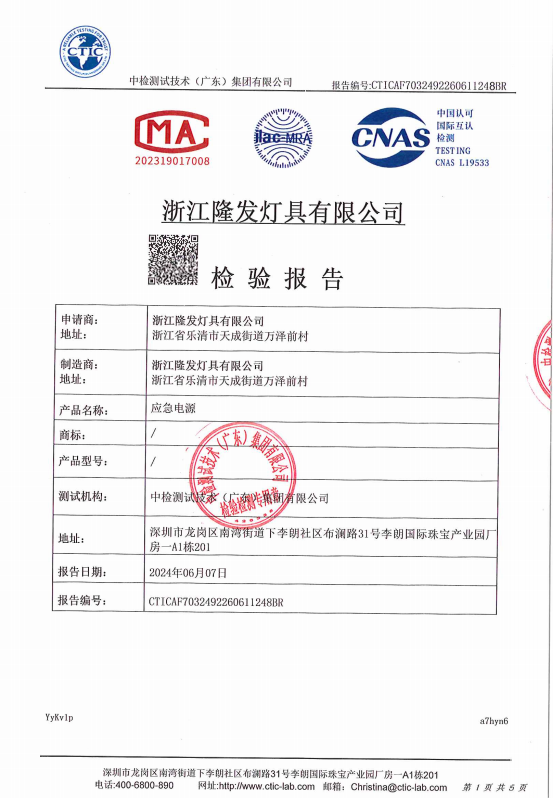
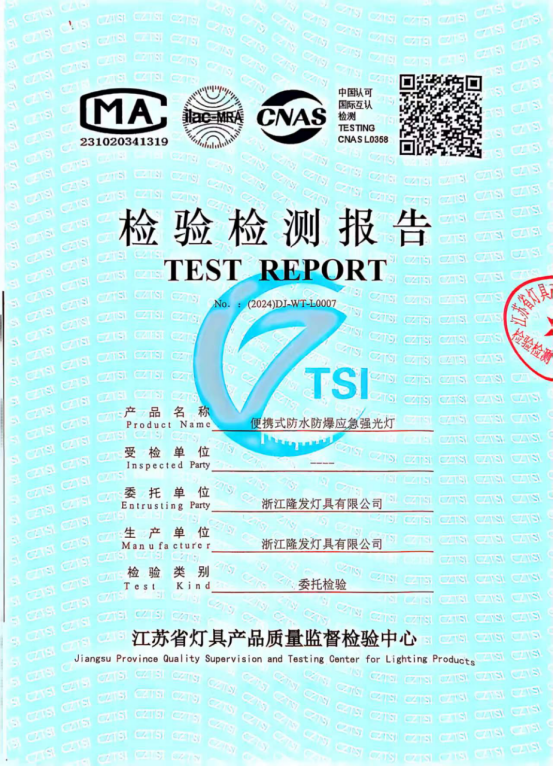
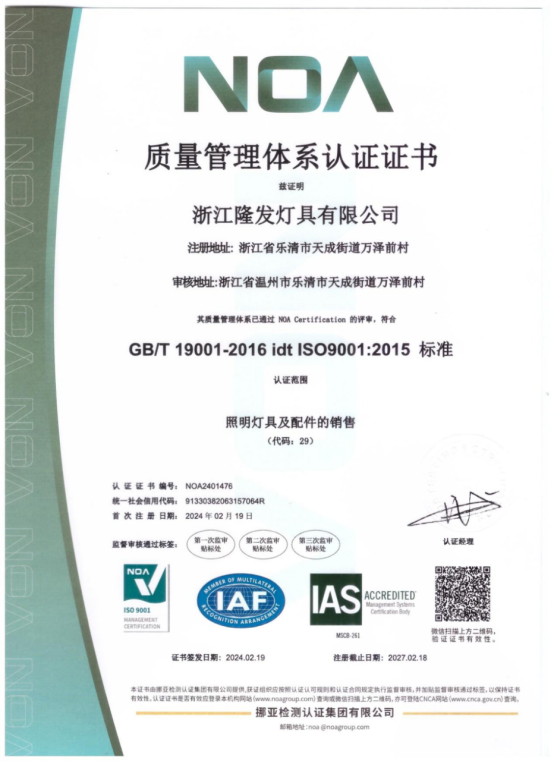
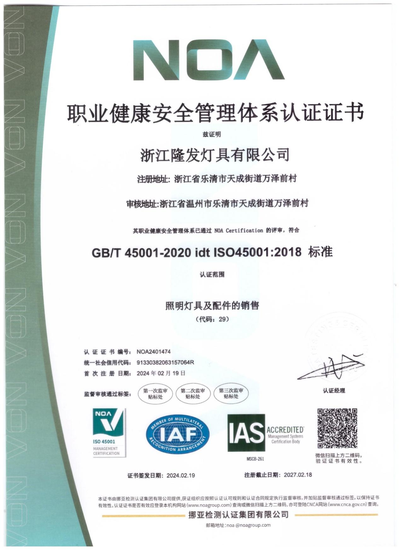
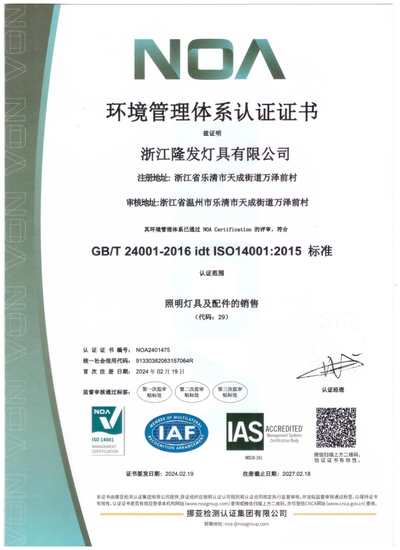
Company management systems are separated from model-level product evidence. Zhejiang LONGFA Lighting Co., Ltd. reports ISO 9001:2015, ISO 14001:2015 and ISO 45001:2018 management-system certification.
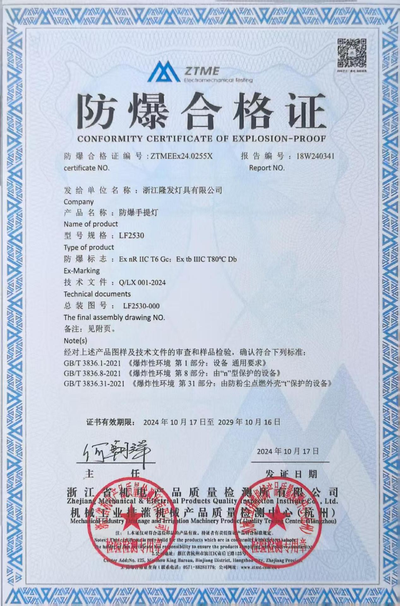
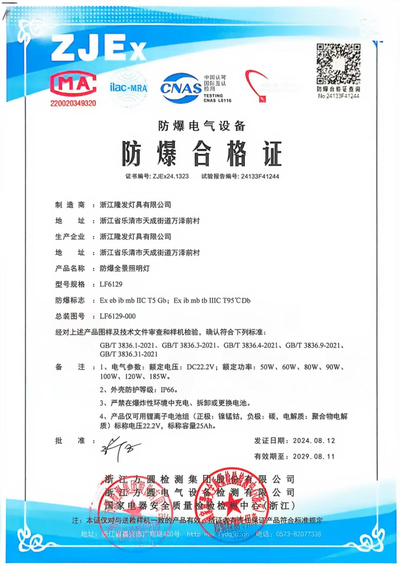
Explosion-proof certificates pertaining to equipment named in company literature are applicable to the equipment named only. We do not take claim explosion-proof certificates for the light towers in question, unless the model is identified.
Project Review and Supply Process
The review moves from site conditions to model-specific technical and commercial scope. This is done to eliminate assumptions prior to manufacturing and shipment.
NODE 01
INPUT
Define the scene
Send application, surface, route limits, lighting task, operating hours, quantity, and destination.
NODE 02
VERIFY
Review the configuration
LFADJ verifies mobility, setup, mast, light-head arrangement, power, and supporting documents.
NODE 03
SCOPE
Confirm the quote
The quotation details the model selected, supplied accessories, the terms and conditions of the offer and the delivery.
NODE 04
EXECUTION
Coordinate supply
We provide technical communication support during configuration and use consultation and after-sales service support under the contract.
Operating Checks That Protect the Project
Making selection decisions on issues such as mast clearance, ground stability, glare and combustion engine placement, is part of the selection process. Because each unresolved input can represent a different risk, LFADJ resolves the configuration against the site, before the quote is finalized.
Before raising the mast
- Identify overhead conductors and obstructions
- Confirm firm ground beneath every support
- Check operating slope separately from travel slope
- Review wind exposure and operating limits
- Establish an exclusion zone where required
Overhead-line risk
HSE GUIDANCEHSE reports a fatal electric shock when a mobile lighting unit contacted an 11 kV line. Its guidance calls for identifying line locations, selecting suitable equipment and training workers.
Before starting the power source
- Keep exhaust away from doors and occupied zones
- Do not run a combustion generator in enclosed spaces
- Check electrical protection for wet conditions
- Shut down and cool the unit before refueling
- Store fuel away from ignition sources
Combustion-engine risk
OSHA CONTROLSOSHA identifies carbon monoxide, shock, fire, noise and vibration hazards of portable generators. Safe ventilation, electrical protection, and refueling controls are needed for the power source.
Mobile Emergency Lighting FAQ
No. This page discusses a tracked, self-propelled mobile light tower for temporary project and rescue scenes, not a beacon, exit sign or a fixed egress luminaire.
Send work-area dimensions, task locations, obstructions, illumination basis, mounting position and glare-sensitive zones. The 3 kW lighting load alone is not enough to determine lux at the task plane.
The 30-degree statement describes travel capability, not raised-mast permission. Verify operating slope, ground strength, support setup and wind limit for the quoted model.
Treat 8 hours as a source-stated value, whose load, mode and test endpoint are to be confirmed. Compare these, as well as lighting time, travel time, standby time and reserve time.
The table states IP65 for the lamp heads, and separately describes whole unit resistance to rain. Use either statement to acceptance, dependent on the exact model, in the absence of the local document.
A forward mast creates clearance problems, and close approach creates hazardous situations. Employ the controls required by the site owner, utility and local regulator.
Do not assume so. OSHA states that carbon monoxide can accumulate in enclosed spaces, even with open doors or windows.2
No. ISO 9001, ISO 14001 and ISO 45001 are company management-system credentials; request documents that cover the quoted model.
The MOQ is 1 unit. Payment is 50% deposit, with the balance paid before shipment.
Provide application, area, task, surface, slope, limits, clearances, hours of operation, quantity, destination, and required date. Give local documentation and inspection requirements.