Get in touch with LFADJ Company

Explosion-Proof Emergency Lights for Project-Specific Selection
Consider the classification of the area, the nature of the task, the type of equipment and the documentation requirement before comparing price. LFADJ supports the selection of the right model for industrial work, maintenance and emergency response tasks.
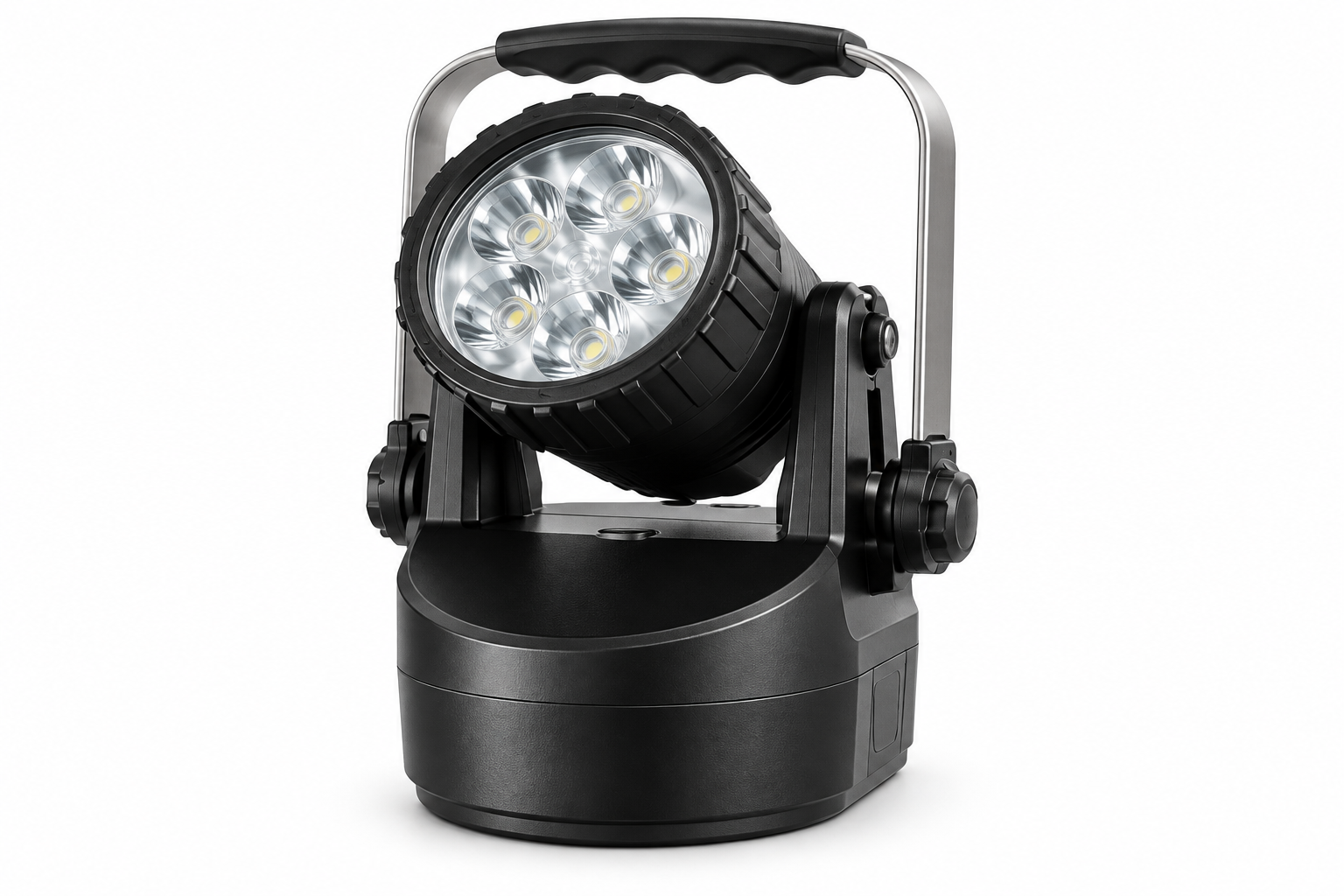
Send these six inputs first
- 01 Installation country and approval basis
- 02 Gas, vapor or dust classification
- 03 Zone, Division and equipment group
- 04 Portable, fixed or exit-sign function
- 05 Required runtime and lighting task
- 06 Quantity, destination and schedule
Start With the Hazard, Not a Generic Emergency-Light Label
The label is only the starting point
A hazardous-area emergency light must be examined in conjunction to the substance in question, the potential presence of an explosive atmosphere and the ignition-temperature limit. OSHA 29 CFR 1910.307 states equipment must be suitable for the particular service and the gas, vapor, dust or fiber involved.
Define the emergency job
A portable inspection light, a fixed battery-backed luminaire and an illuminated exit sign all solve different problems. Runtime alone does not prove automatic changeover, escape-route illumination or emergency-mode photometric performance.
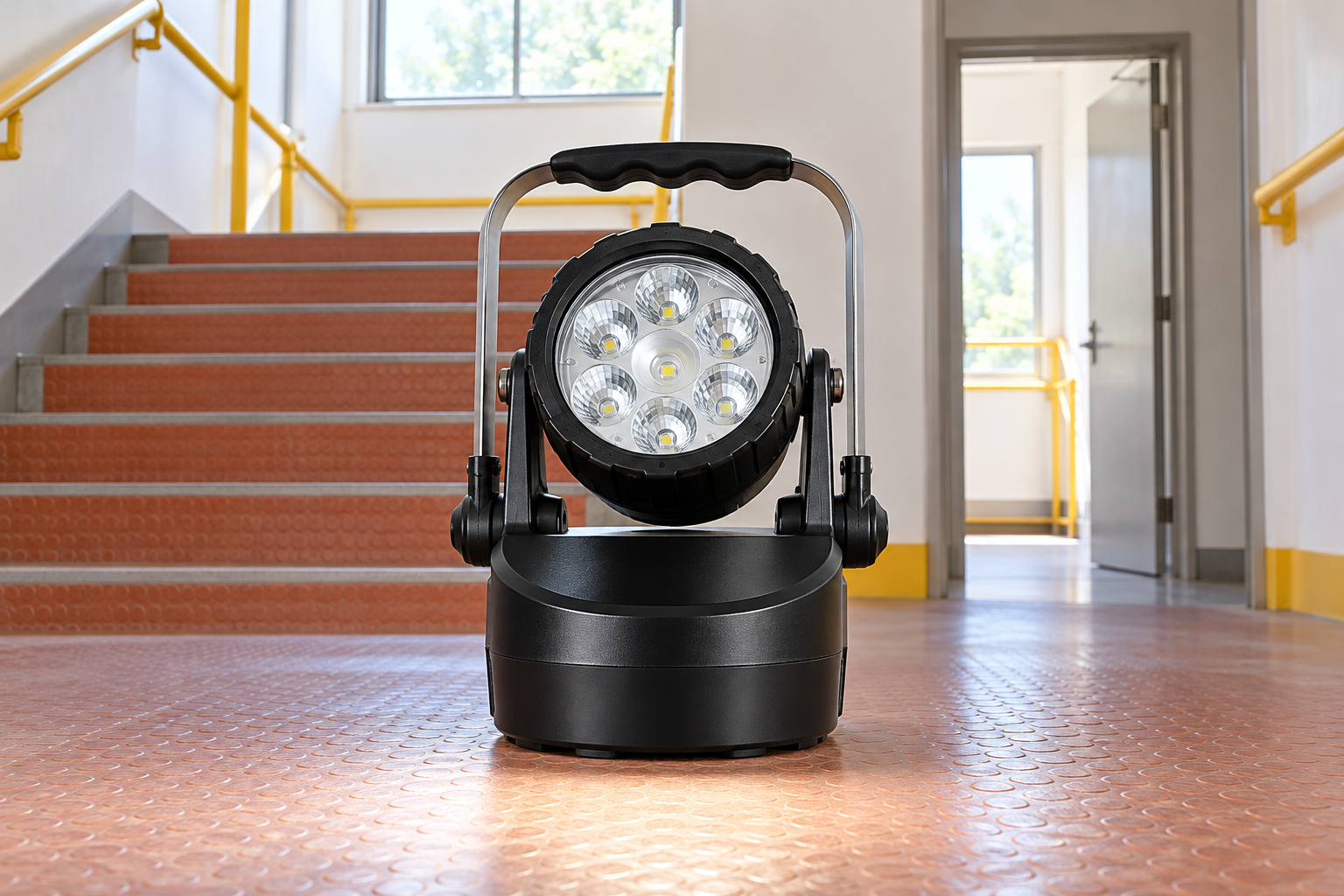
Do not substitute one rating for another. IP66 addresses ingress protection; it does not prove hazardous-location approval. An Ex ib marking identifies an intrinsic-safety protection method, not a flameproof enclosure.
Rugged or waterproof is not a substitute for hazardous-location approval. Protection methods are not interchangeable, and the wrong choice costs you a reliable project match. Because LFADJ selection is built around IEC 60079-11 boundaries and source-stated 3.7 V model data, this trade-off stays visible; compare the OSHA location rule with the IEC intrinsic-safety scope.
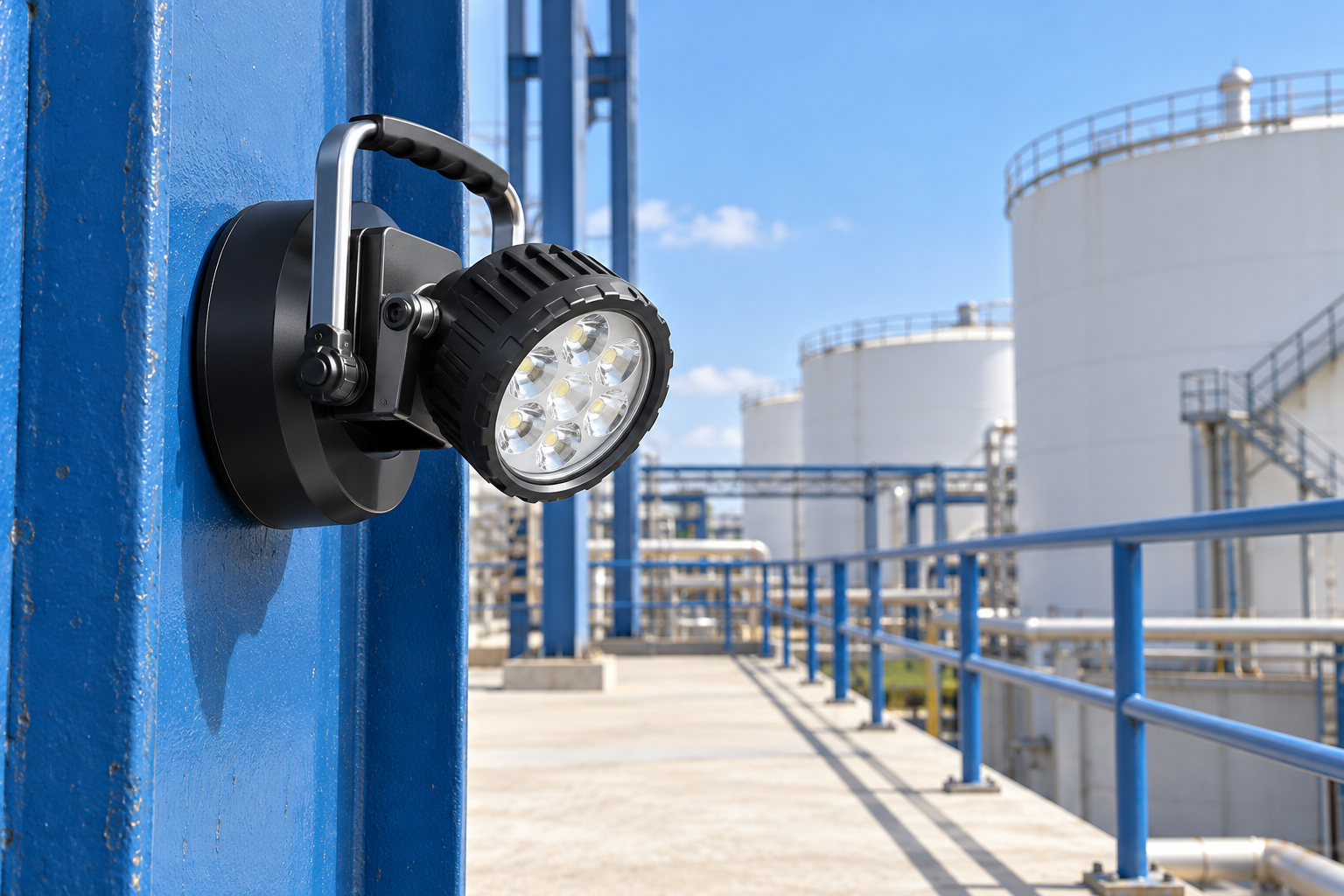
LFADJ Verified Model Data: LF7623 Portable Light
It is identified in the material of the supplied product that LF7623 is an explosion-proof, multifunction high-intensity flashlight. The Ex ib part of its marking indicates protection from IEC 60079-11, where the energy of the circuit is restricted so that the surrounding explosive atmosphere is not ignited.
| Parameter | Source-Stated Value | Verification & Project Condition |
|---|---|---|
| Marking shown |
Ex ib IIC T4 Gb
|
Verify certificate, ambient range and specific conditions |
| Rated voltage | 3.7 V | Confirm operating and charging conditions |
| Capacity field | 2200 mA | Unit requires supplier confirmation; mA measures current3 |
| Rated power | 3 W | Do not infer continuous input in every mode |
| Size / weight | 35 × 160 × 28 mm / 180 g | Weight is stated as including battery |
| Charging time | 6 h | Do not assume charging is permitted in the hazardous area |
| Runtime | 8 h high / 16 h work | Request test mode and endpoint |
| Ingress protection | IP66 | Separate from Ex approval |
Build the Specification From the Site Requirements
OSHA 29 CFR 1910.307 requires the equipment and installation to match the specific hazardous location.
-
Country and authorityAccepted approval schemes vary by jurisdictionCertificate or listing for the exact model
-
Hazard and classificationGas, vapor and dust risks are not interchangeableMarking, group, EPL/Zone or Class/Division
-
Temperature and ambientSurface-temperature limits and battery behavior matterT-class and permitted ambient range
-
Protection methodIntrinsic safety and flameproof construction work differentlyFull Ex marking and certificate scope
-
Emergency functionPortable response, fixed backup and egress signage need different evidenceOperating mode, photometrics and changeover behavior
-
Power stateProtection may differ during battery use and chargingInstructions and approved charger/accessories
-
Runtime dutyNameplate runtime may not equal usable emergency durationMode, output, test endpoint and recharge plan
-
EnvironmentWater, corrosion, impact and vibration create separate demandsIP rating plus material and test evidence
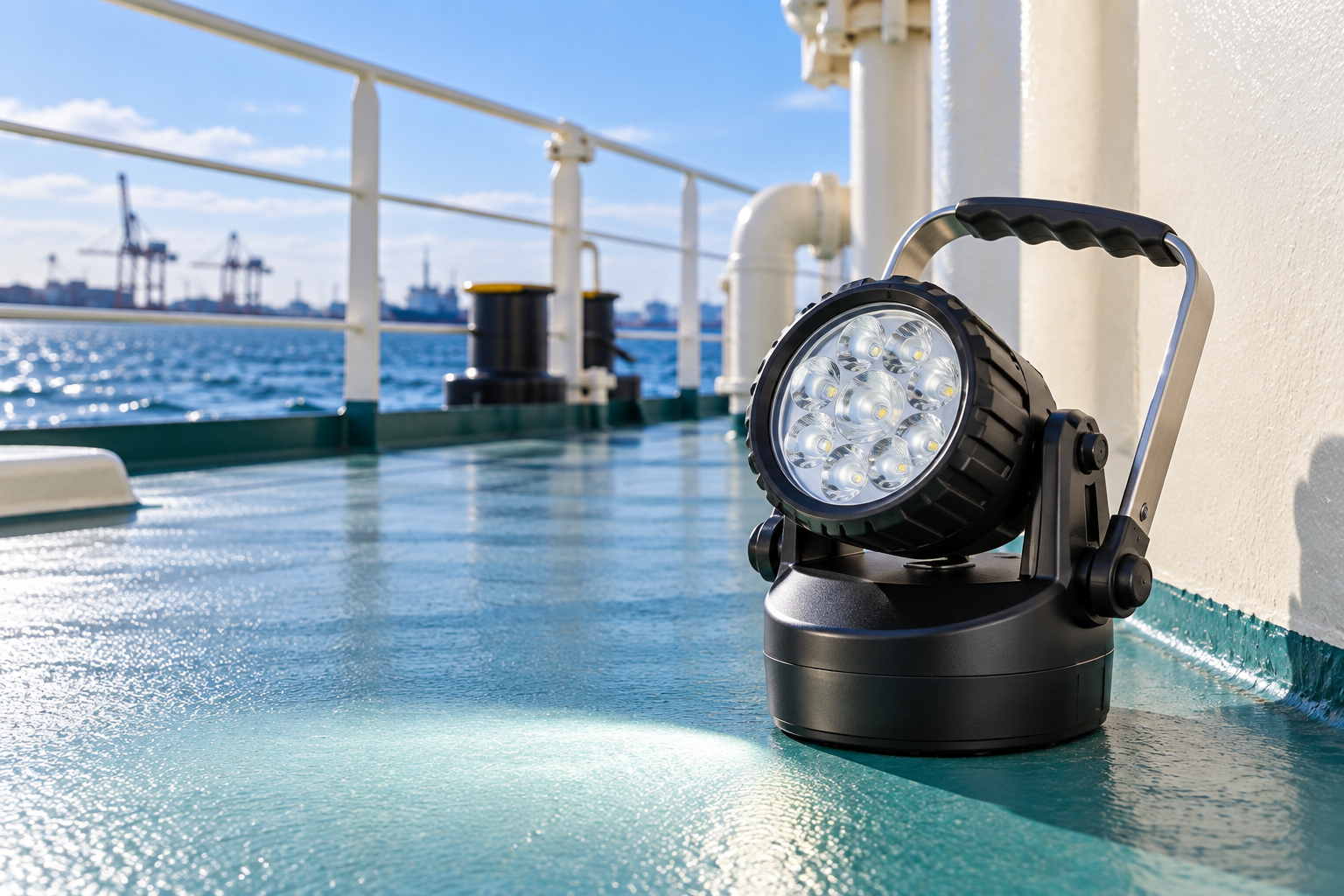
Choose the equipment role before the model
Where a Portable Hazardous-Area Light Fits the Work
The IEC 60079-11 scope recognizes portable battery circuits as a distinct intrinsic-safety design problem.
01
Inspection and maintenance
For close examination of equipment and joints in hard to reach areas, portable lights can be used if the approved marking for the location is present. The permits, inspection and accessory rules of the site must also be followed.
02
Shutdown and emergency response
A charged portable light could be assigned a particular role in a response plan to support mobile teams. It should not be offered as a substitute for fixed escape route lightings without accompanying design evidence.
03
Night construction and temporary work
Temporary lightings need a defined boundary within which the light can be carried, used and recharged. Confirm if hazardous condition is continuous, intermittent or absent in the charging area.
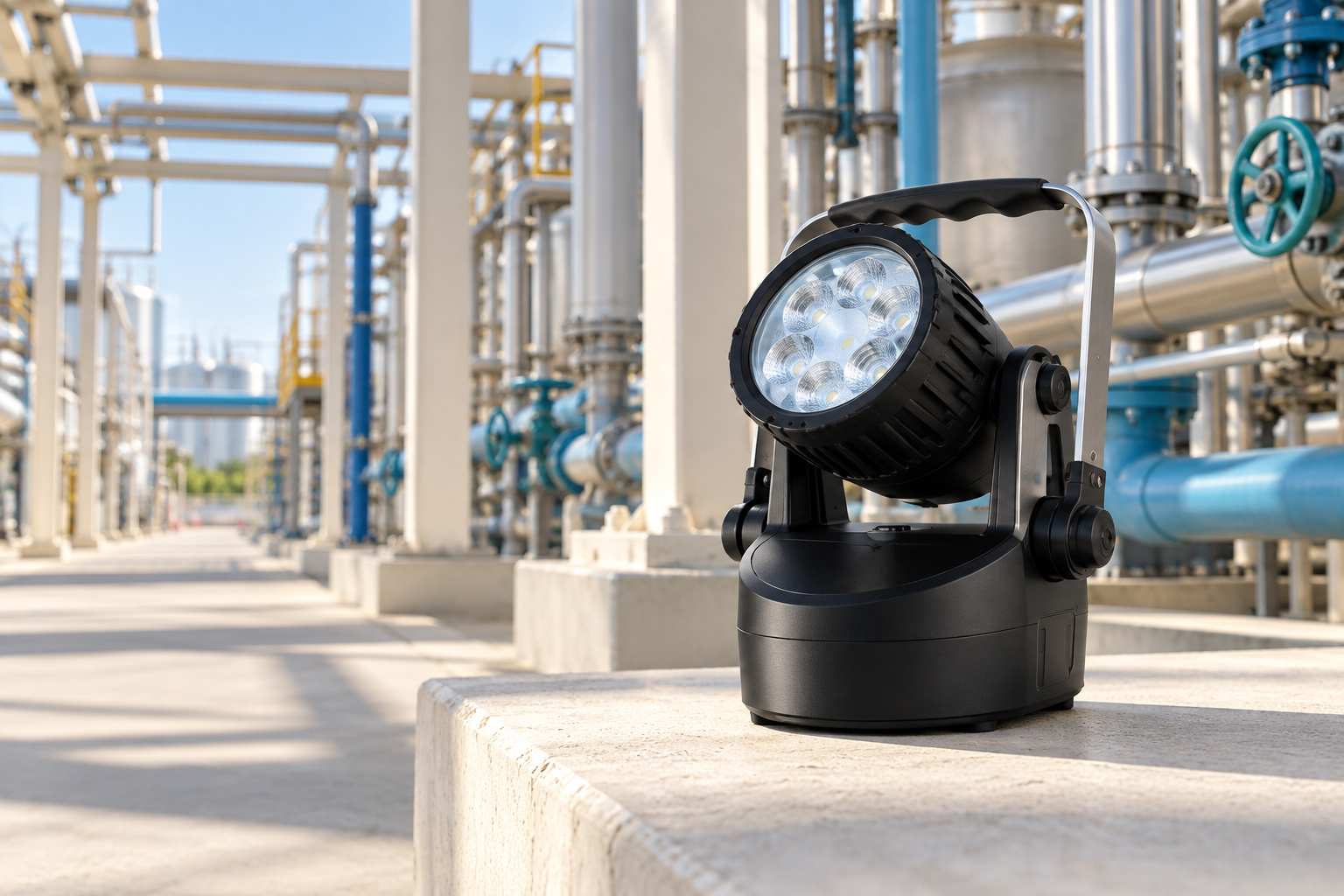
HAZLOC PORTABLE
Industrial service environments
LFADJ covers energy, electric power, petrochemical, metallurgy, transport and public security. Model suitability is a project judgment, not an industry acceptance.
Coal
Oil & petrochemical
Power
Metallurgy
Railway
Shipping
Emergency rescue
Certificates and Documents: Match the Model, Not Just the Manufacturer
Company-level trust
- ISO 9001:2015 quality management system
- ISO 14001:2015 environmental management system
- ISO 45001:2018 occupational health and safety management system
- LFADJ and LONGFA lamps Class 11 trademarks
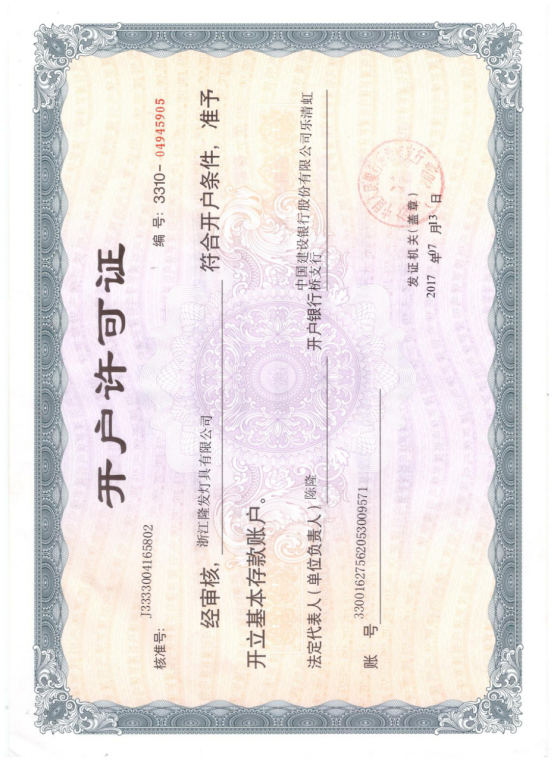
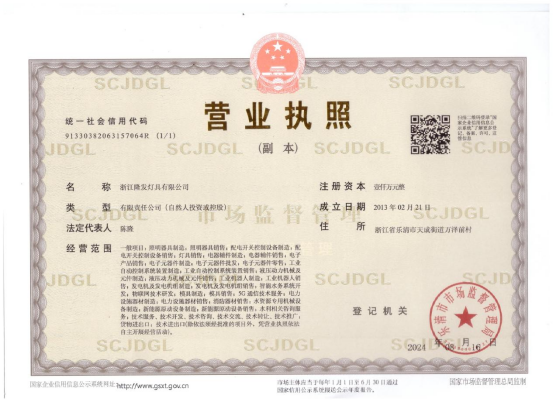
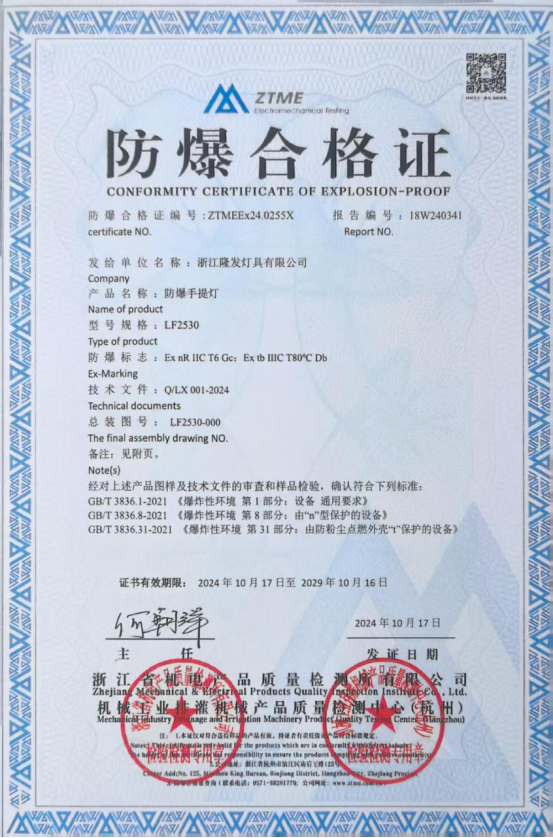
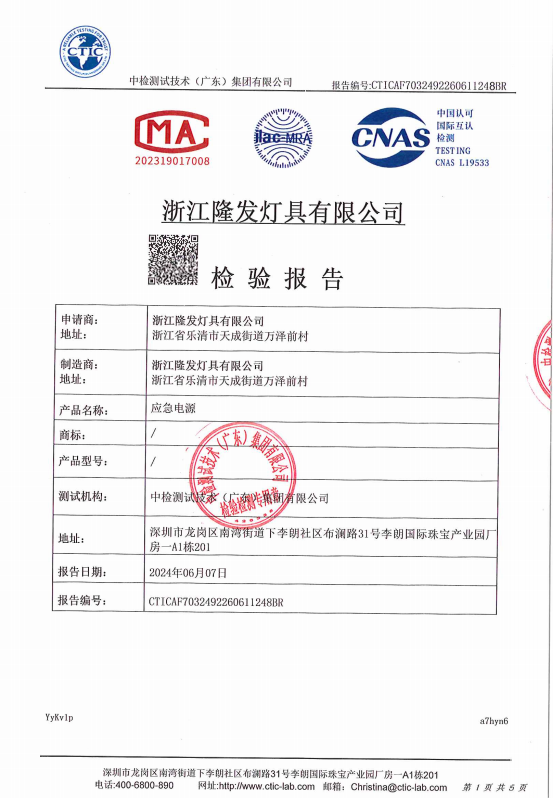
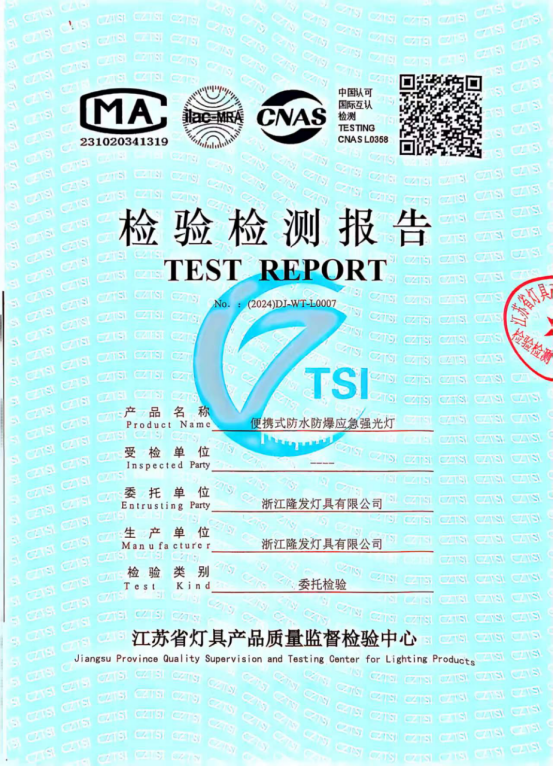
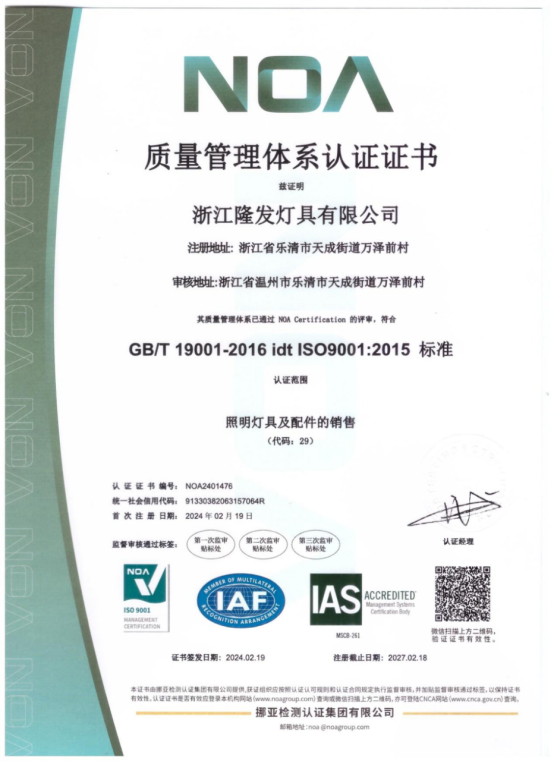
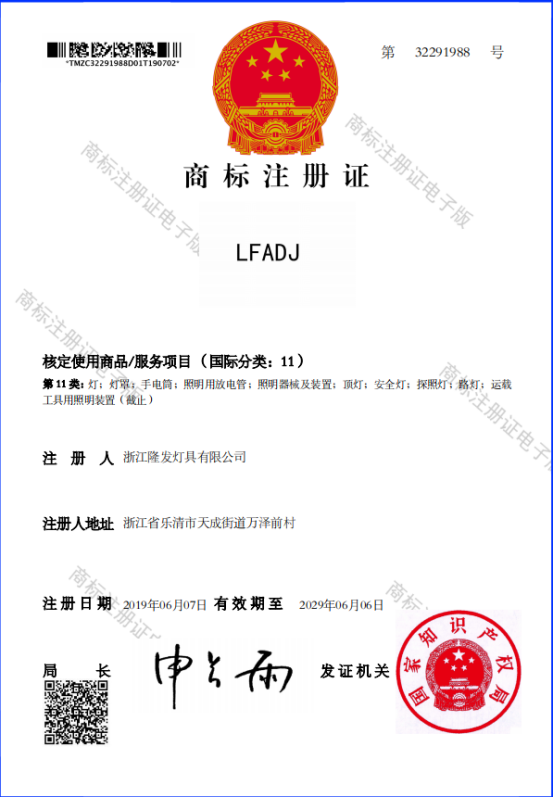
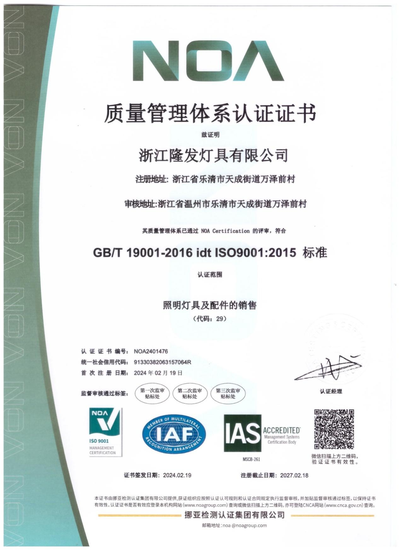
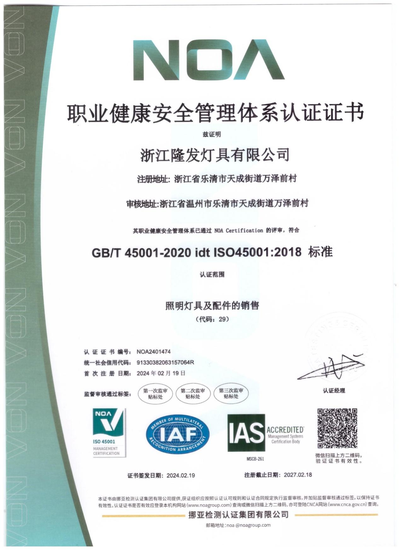
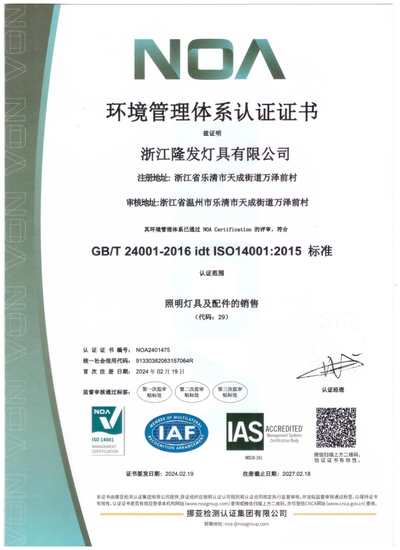
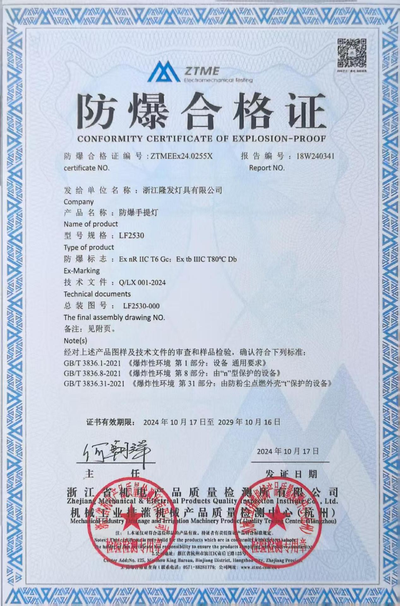
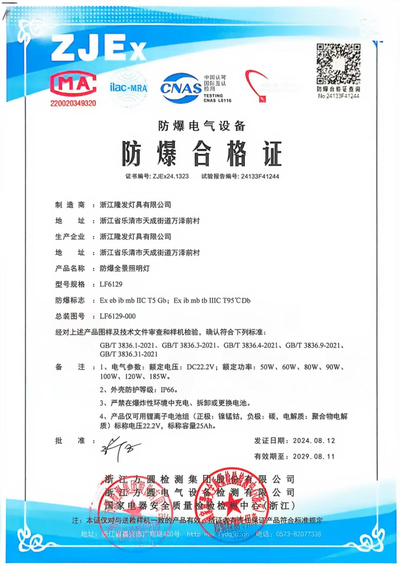
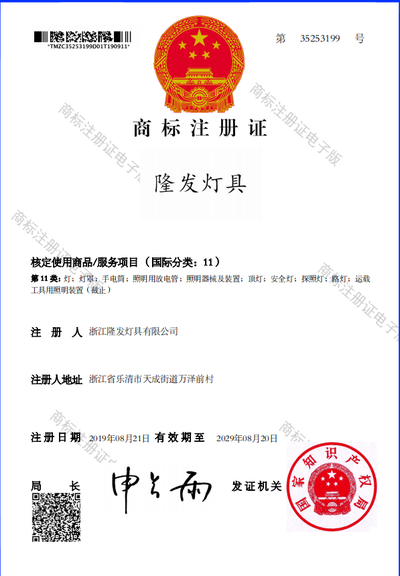
01 / 13
Model-level approval pack
- Exact model datasheet and nameplate marking
- Certificate, annex and current status
- Permitted ambient range and conditions of use
- Instructions for battery, charger and accessories
- Runtime and photometric test information where required
Verified here
Company identity and management-system certificates reported in supplied materials.
Request per quote
Exact model marking, certificate scope, instructions and test evidence.
Not established
ATEX, IECEx, UL, exit-sign or fixed-egress compliance for LF7623.

Explosion-Proof Emergency Lights Tools
Project Input Verification
Hazardous Area Input Check
Emergency Runtime Planning
Runtime Readiness Planner
Specification & Quote Brief
RFQ Brief Builder
FAQ: Purchase and Selection Questions
Start with the installation country, classification and hazardous area, gas and dust groups, temperature class, ambient range, required role of equipment, and power or charging, runtime and photometric duty, corrosion exposure, ingress, and mounting. Add quantity and document requirement to enable the supplier assess the most suitable model.
No. IP66 describes resistance to dust ingress and powerful water jets under an ingress-protection test. OSHA 29 CFR 1910.307 separately requires suitability for the specific hazardous location.
The supplied source cites Ex ib IIC T4 Gb, but doesn’t provide an ATEX or IECEx certificate number or file. Request LFADJ to provide the certificate for the quoted model, and check the scheme, status, scope, ambient conditions, accessories and specific conditions prior to approve it.
The supplied info classifies LF7623 as a multifunction flashlight as opposed to an illuminated exit sign. An exit sign project requires separate evidence for signage, viewing and emergency power as well as the local accepted life safety standard, and hence may not accept this portable model.
Compare them by function, and then by price. A portable light supports a person or task; an emergency luminaire must deliver its illumination (design light output) after power loss; an exit sign system identifies an egress path. Each requires its own evidence, including approval, even if the equipment is intended for the same hazardous area.
The image provided states 8 hours in high-output mode and 16 hours in work-light mode, with a charging time of 6 hours. Before using the provided figures in an emergency-readiness plan, obtain the output level, test endpoint, battery specification, and charging instructions and provide justification for your request.
Check the exact model datasheet, nameplate markings, certificate and annex, permitted ambient conditions, specific conditions of use, instructions for use for battery and charger, approved accessories, installation instructions, applicable test reports, emergency mode photometrics (for fixed and egress equipment), behavior during changeover, and runtime. Verify the delivered configuration against the product documentation rather than accept a Company-level ISO certificate.