Get in touch with LFADJ Company

Emergency Lighting System for Industrial Site Work
Choose the emergency lighting system that best suits the kind of work your crew does, whether it’s equipment maintenance, night construction work, or a response to a field call after a power outage. LFADJ offers wheeled telescopic lights, mobile light towers, and all-terrain units. They will match the requirements for lamp output, power supply, and transportation to your site.
-
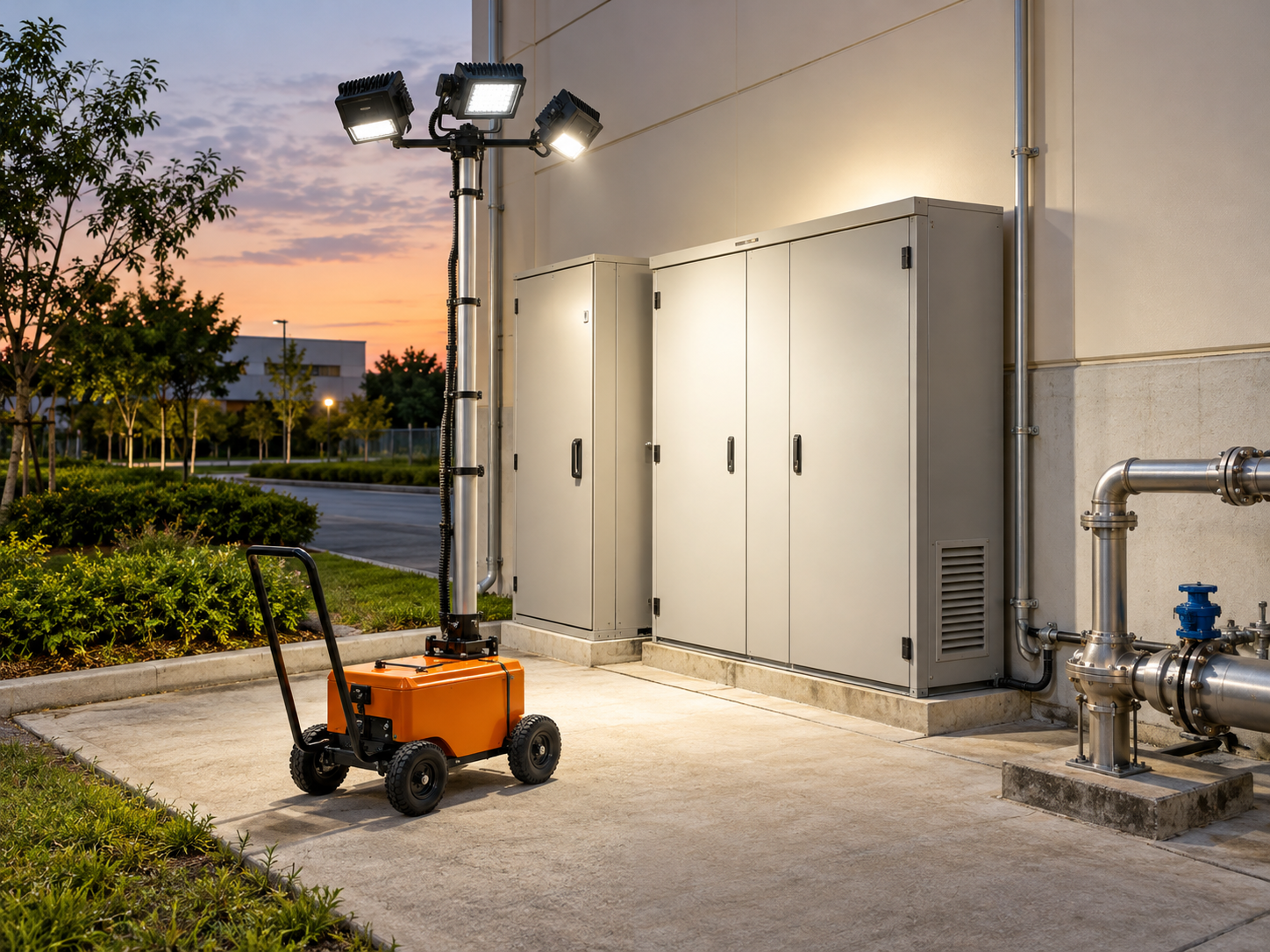
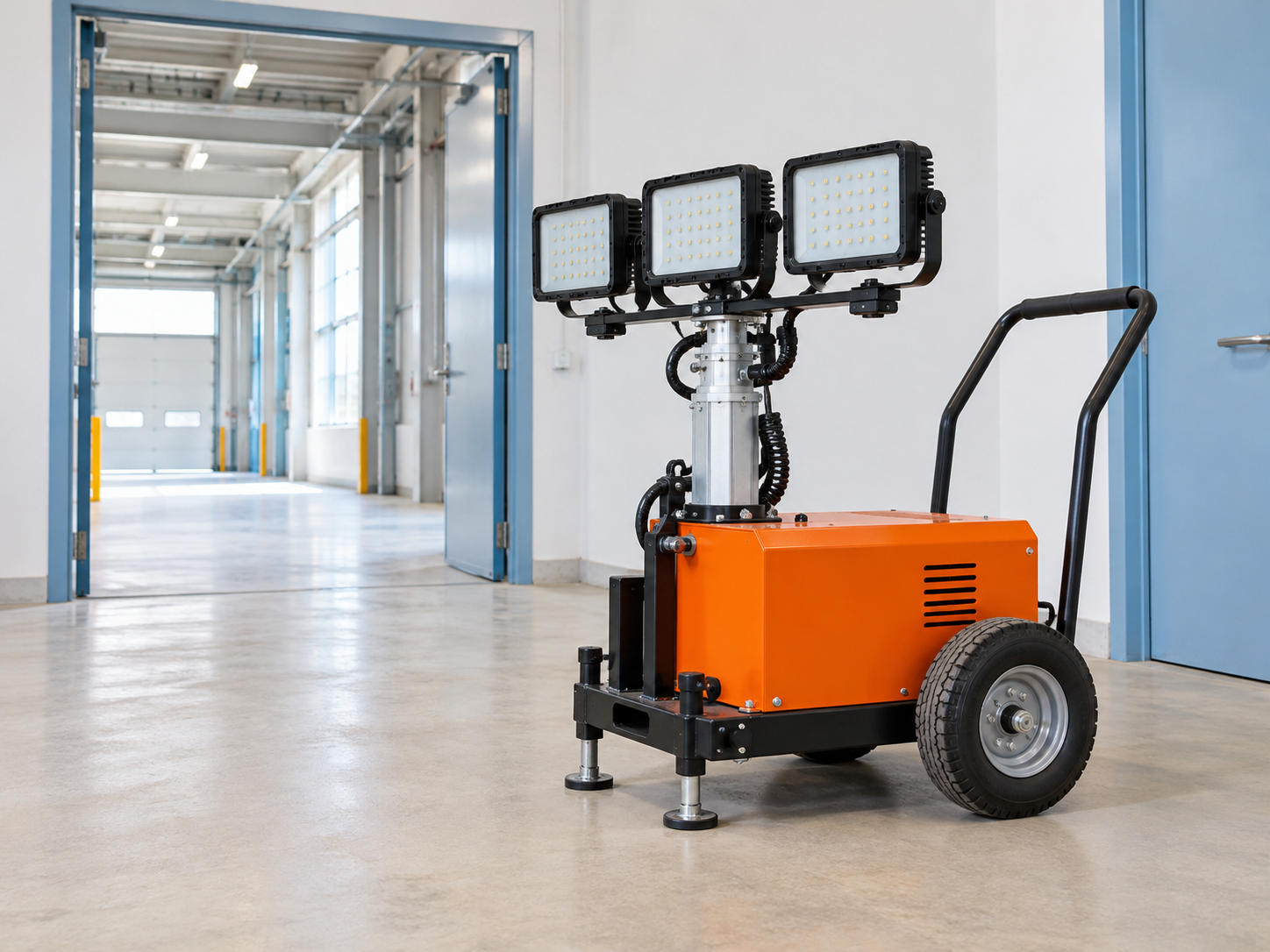
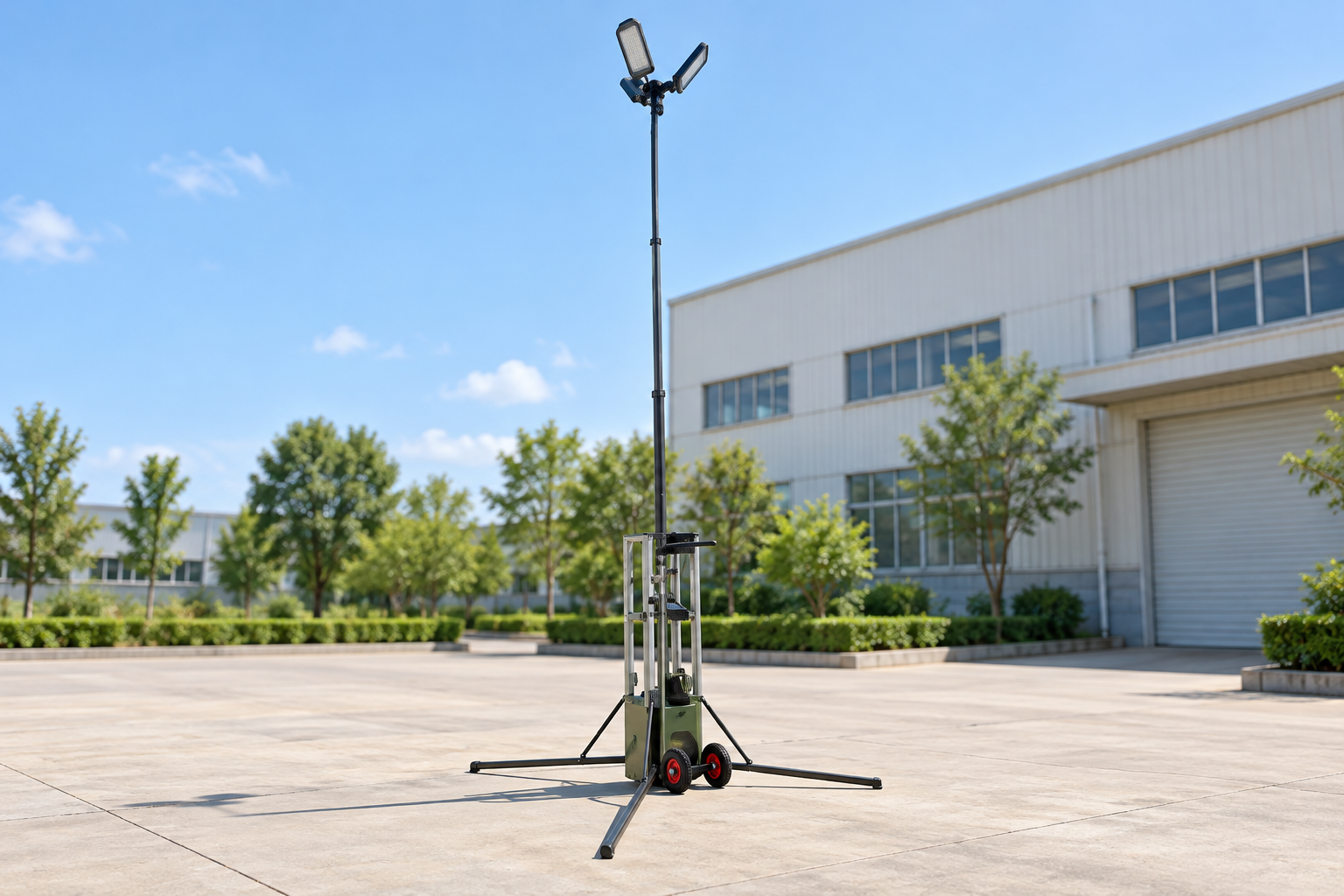
LF6133: a wheeled LED unit with a 4.8 m mast.
-
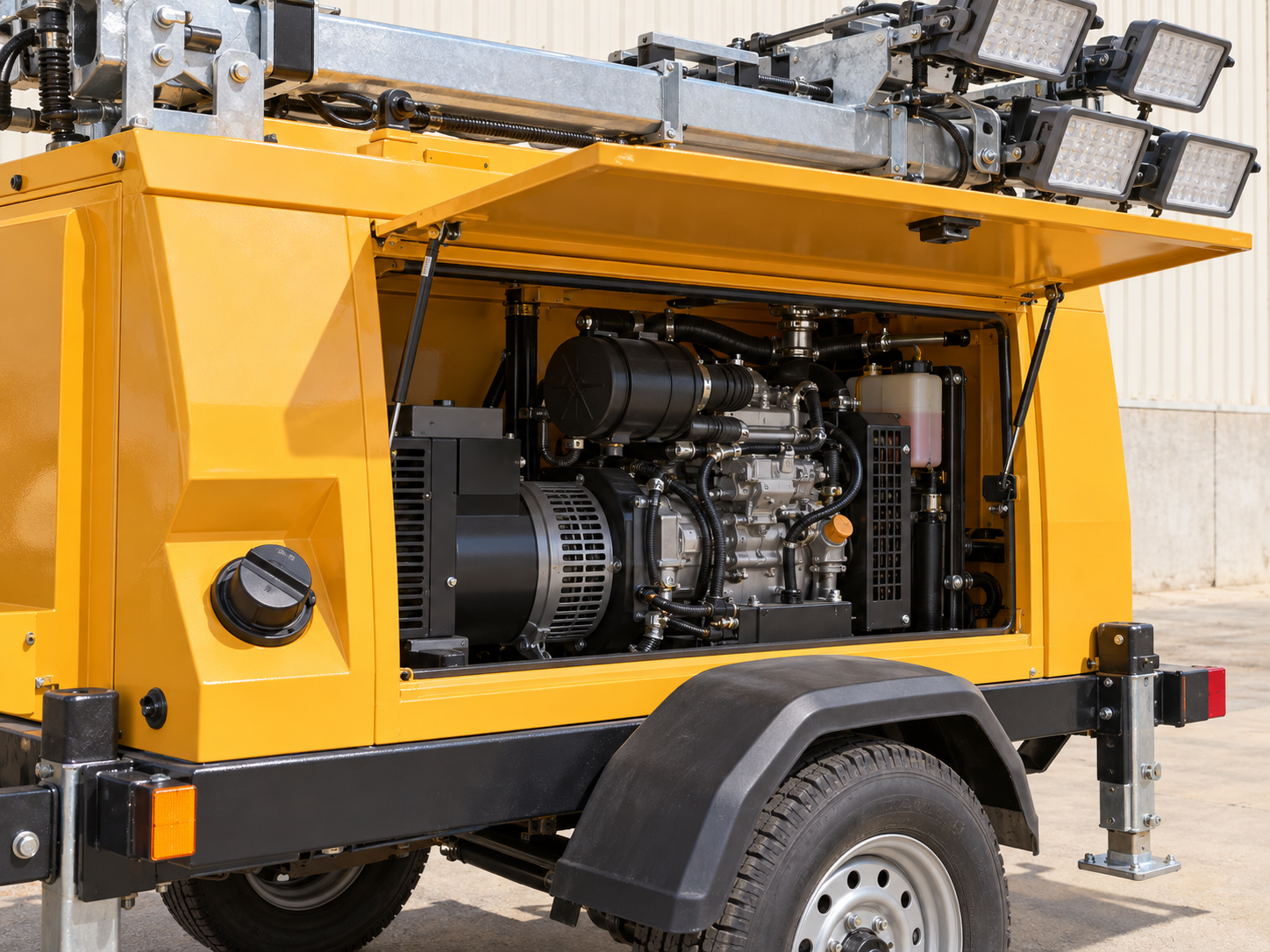
LF2970: a 7 m lighting tower with a 43 L fuel tank.
-
All-terrain option: 3 kW lighting with a 5.4 m raised height.
Industrial Lighting at a Glance
LFADJ offers the equipment choices listed below for project purchases, including a single-unit order. Request a quote based on the model specification and the sample policy below.
1 unit
Our minimum order quantity.
3 × 200 W
LED lamp power on our LF6133.
7 m
Maximum mast height on our LF2970.
Sample orders
Same policy as finished-product orders.
LFADJ Emergency Lighting Systems
Start by looking at how the equipment is moved to the work area, and then select the light and power package. Portable does not always mean handheld: a compact footprint helps a maintenance team move between work positions; a larger tower changes the loading, support and fuel arrangements for the whole shift.
Portable Emergency Lighting: LF6133
Mobile Emergency Lighting: All-Terrain Option
Industrial Emergency Lighting: LF2970
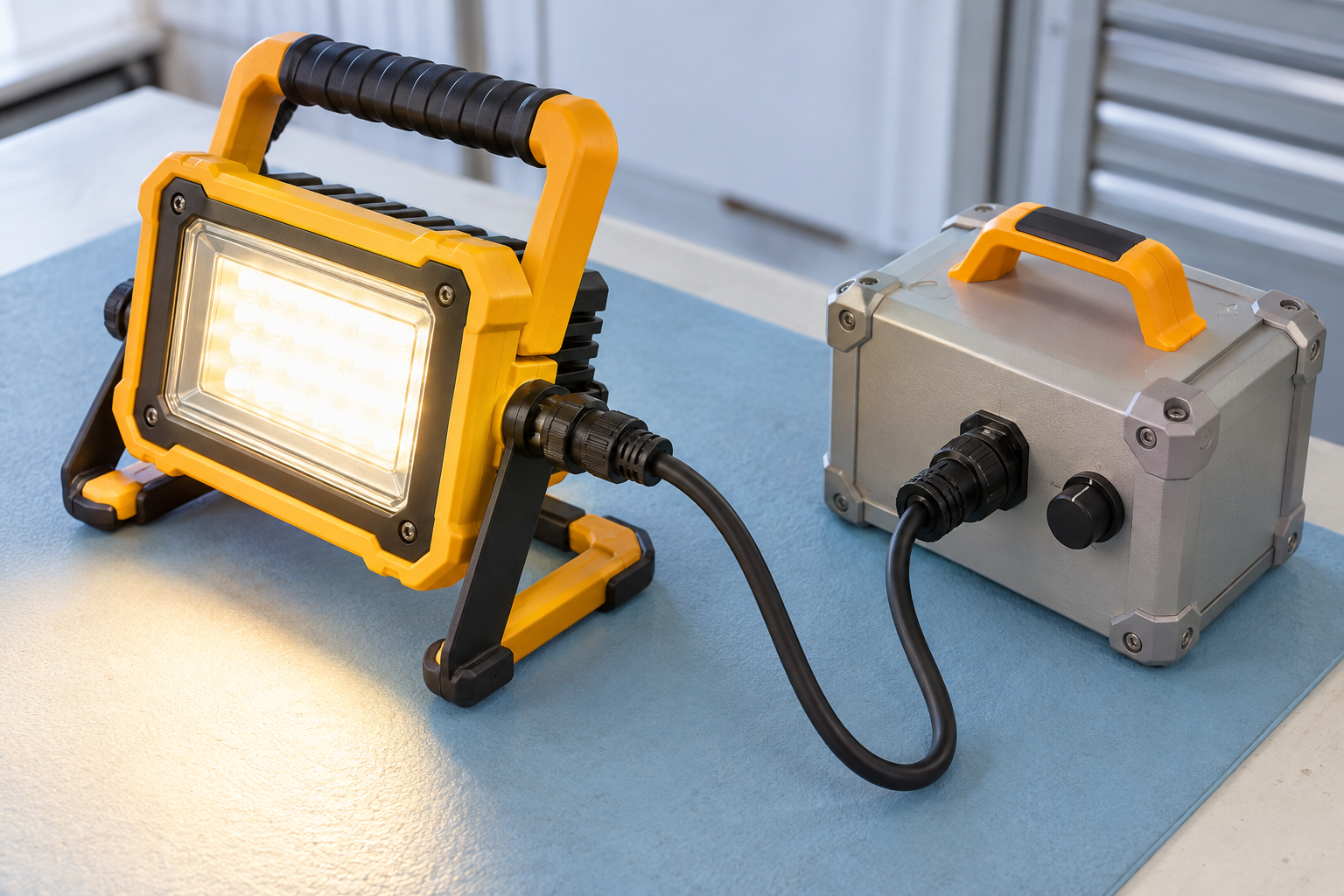
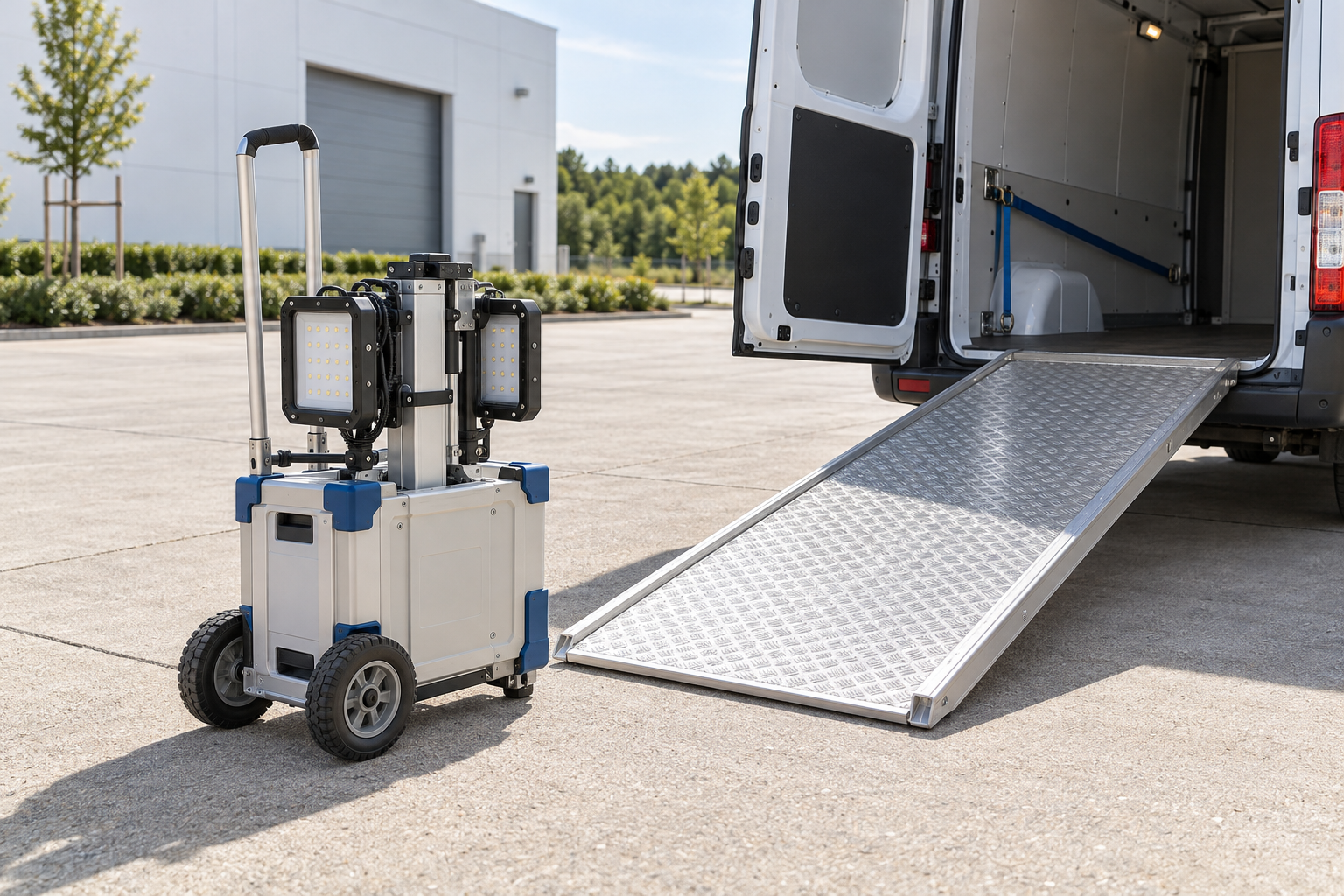
Our LF6133 combines 3 × 200 W LED lamps with a wheeled base and telescopic mast. It weighs 70 ± 5 kg, so plan it as movable equipment with a loading route, rather than a handheld emergency light.
- 220 V rated supply and adjustable lamp brightness.
- 10–100% dimming for the selected work position.
- Emergency battery function; agree the required output and duration together.
For remote areas, our all-terrain lighting unit is self-propelled and powered by gasoline with remote or panel control. The base model weighs 325 kg, and the Pro model weighs 480 kg, making vehicle payload and lifting equipment part of the selection.
- 3 kW lighting power and a 20 L gasoline tank.
- 5.4 m maximum raised height.
- Support legs for deployment; movement capability and mast operation are separate conditions.
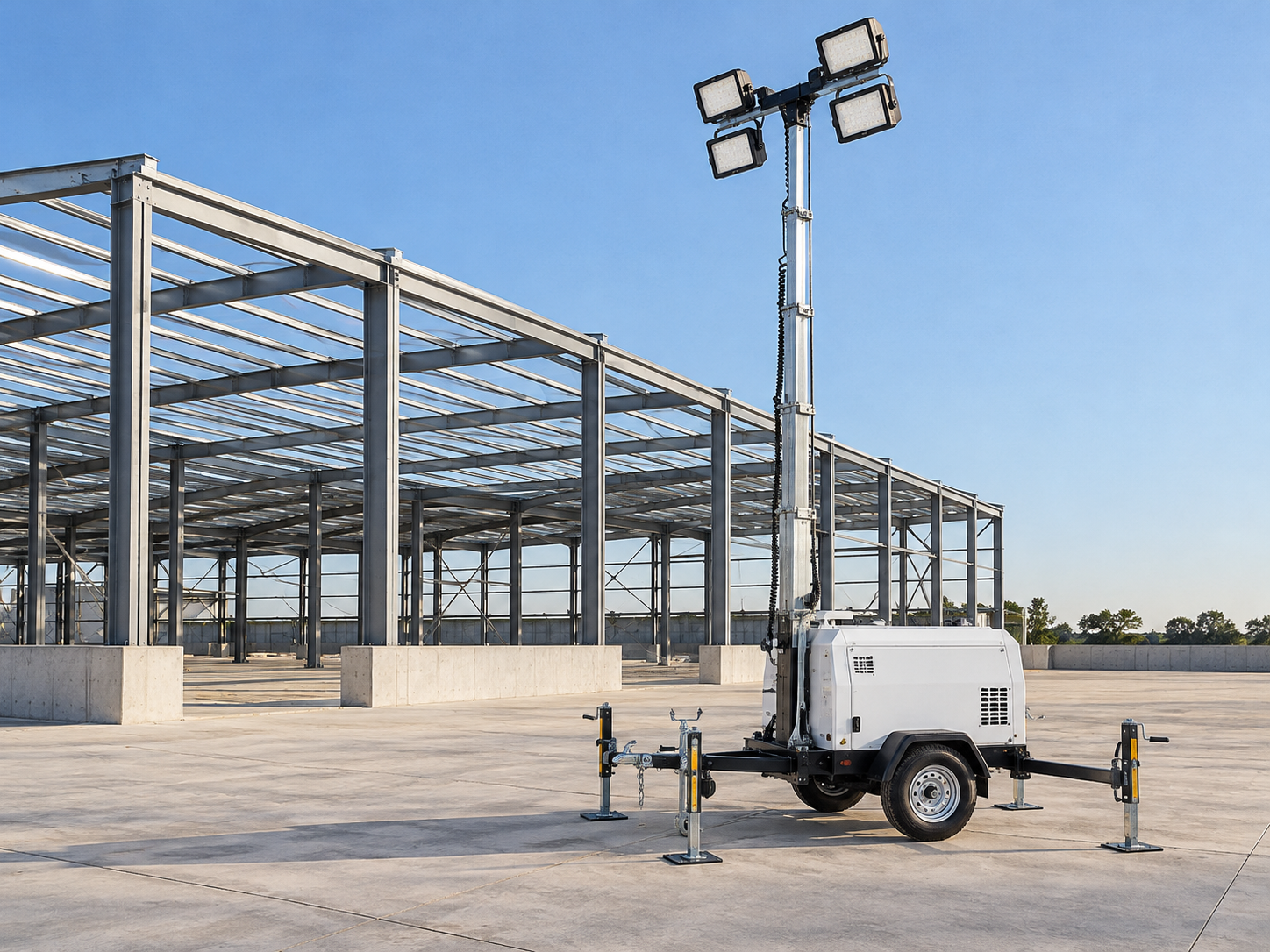
We supply the LF2970 with 2 × 320 W LED lamps plus 2 × 1000 W metal-halide lamps. Its 7 m mast and 597 kg unit weight suit a planned lighting position with the transport and support space checked before dispatch.
- AC 220 V, 50 Hz rated supply.
- 43 L fuel tank with a stated 25 h full-load runtime.
- Hydraulic/electric loading arrangement and adjustable lamp positioning.
For temporary industrial work, LFADJ helps you compare the complete package.
Request a quote with your site requirements to compare equipment, supply, placement, and operating hours. The aim of the site lighting plan is to provide adequate light to the work area. 2 Send the site layout to LFADJ with your quantity requirements so we can evaluate the product and configuration best suited for your needs before you place an order.
Quick selection: begin with LF6133 for a wheeled telescopic work light, the all-terrain option for self-propelled movement, or LF2970 for a taller mast and a larger onboard fuel package.
Power and Lamp Configurations
Separate power and light sources in your comparison.
Generator capacity, lamp wattage and battery runtime address different concerns. No single one describes illumination at a workbench or access route. Plan lighting around work activity, shadows, and glare, following HSE guidelines 2.
-
1
Electric light towers and site power
Tell us the local mains voltage and frequency, connection type and distance from the supply to the desired lighting position. Electrical compatibility needs to be addressed during the first quote discussion.
-
2
Battery backup
Our LF6133 states that the emergency battery has a duration of 1 hour and a charge time of 5 hours. Decide on the light output needed during that time to agree on the battery operating mode for the job.
-
3
Portable light tower generator operation
State work shift length and fuel logistics and position of the power unit for off-grid work. A full fuel tank is helpful only when refueling and maintenance stops fit the work schedule.
-
4
LED emergency lights
The LF6133 LED light package states it has 3 × 23,000 lm. Compare lamp output using lumens. Based on that, consider the aim and distance of the lamp with respect to obstructions and the work surface.
-
5
Mixed lamp package
Address switching, restart and required duty during power interruptions, if part of the operating plan, in the technical discussion for the LF2970.
-
6
Controls and accessories
Identify who will operate the equipment, where they will stand and if a remote control feature is needed. All-terrain versions can do remote or panel operation; agree the accessory list based on the selected version.
Mobility and Site Deployment
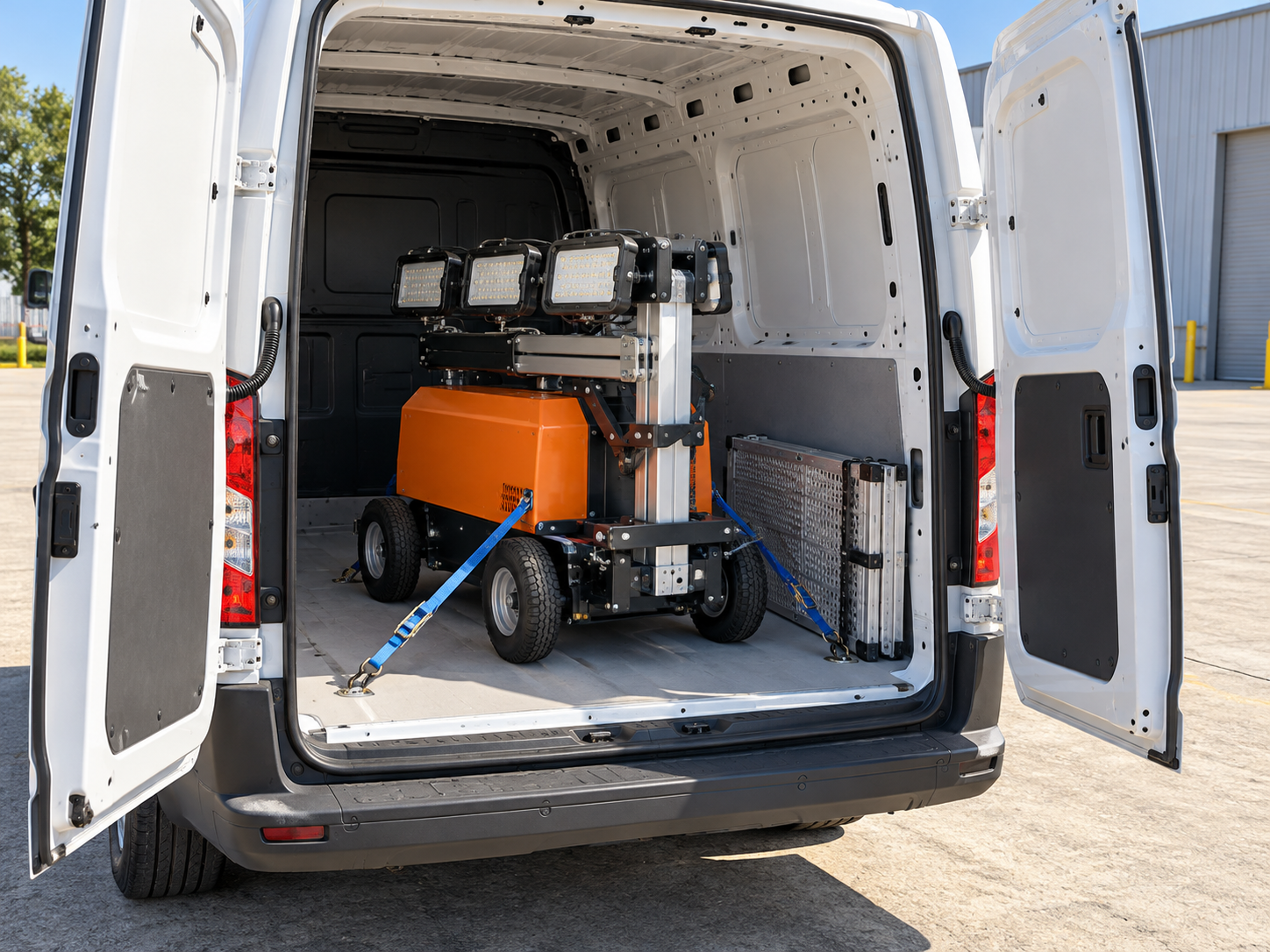
A mobile light tower has to achieve a stable operating position before its height can be useful. Review the narrowest access point, transport vehicle and available support area, along with the lighting specs. Request a layout discussion with LFADJ for the specific loading and operating positions.
Site deployment inputs
| Site condition | Selection input | Practical consequence |
|---|---|---|
Truck or vehicle loading |
Payload, deck dimensions and loading method | Match the equipment weight and stowed envelope to the transport plan. |
Gateways and access routes |
Clear width, height, surface and turning space | Check the entire route, including the last approach to the work area. |
Mast deployment |
Overhead clearance, ground condition and support space | Keep movement limits separate from raised-mast operating limits. |
Nearby traffic |
Driver sightlines and lamp direction | Aim light at the task without putting glare across the traffic route. |
People entering buildings |
Doors, windows and ventilation intakes | Place engine exhaust away from occupied spaces and air intakes. |
Wet or dusty work |
Exposure at the lamp heads, controls and power unit | Specify each exposed assembly, rather than applying one rating to every part. |
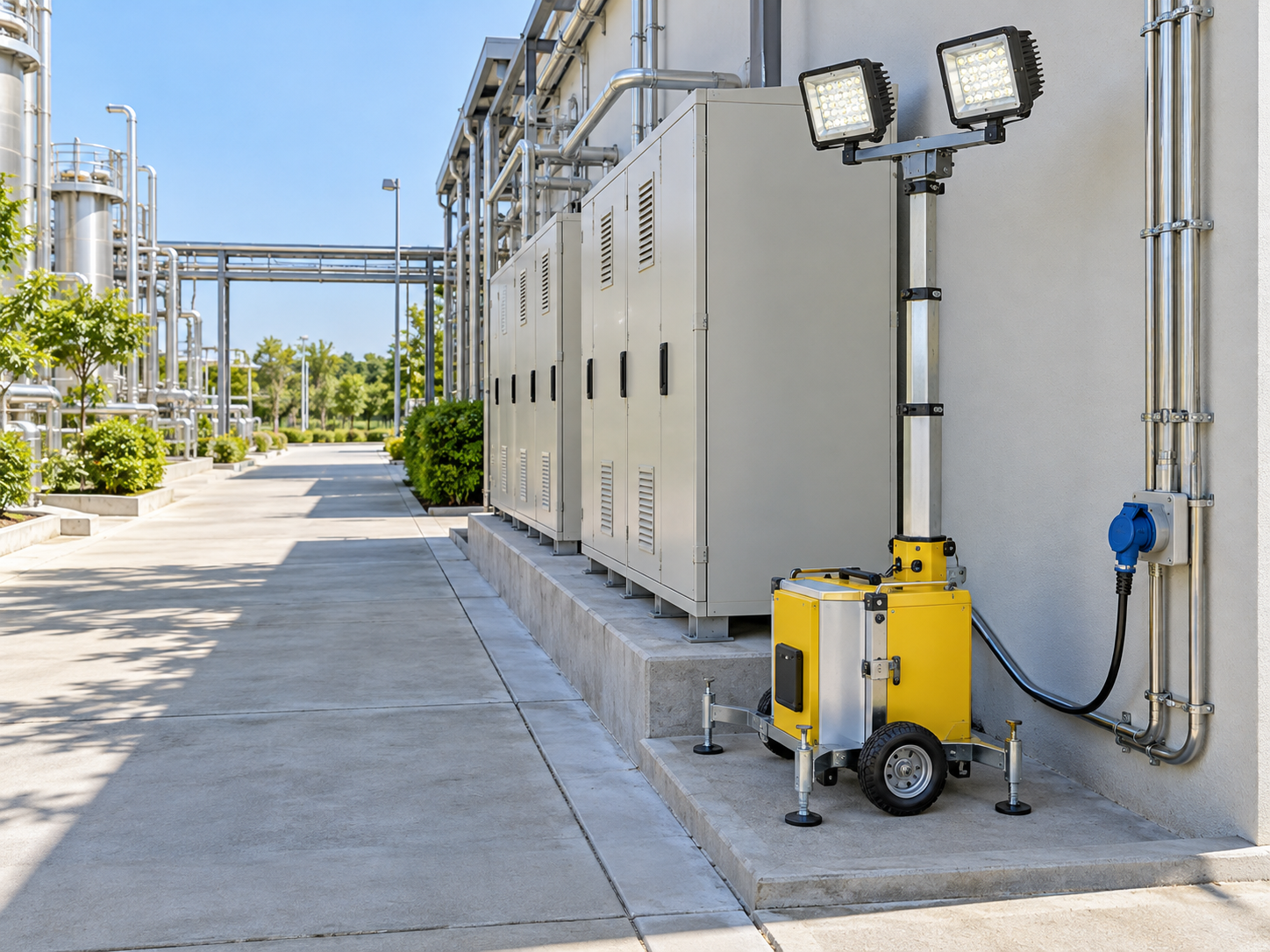
Run gas-powered equipment outdoors, away from air intakes, and at least 20′ from building openings.
- Never operate gas-powered equipment in a building or partially enclosed space. Include equipment exhaust direction and nearby occupied areas in the site plan. Follow the equipment manual and applicable local requirements.1
- Plan the stop as well as the shift. Arrange refueling and inspection around the work sequence, with an alternative light source available where loss of light would create a hazard.
Use the transport mass estimator to determine the total mass of the selected equipment. It will not assess if the equipment fits through the entrance, how equipment is secured or lifted, or axle loading or equipment compliance.
Emergency Lighting Specifications
Our three equipment options vary in more ways than just lamp power; their stated runtimes are not interchangeable. The table below compares height, weight and stated running conditions, allowing your team to narrow in on a system before going through the details of the order. Match the runtime mode to the shift duty to minimize the risk of power source exhaustion and losing task lighting.
| Specification | LF6133 | LF2970 | All-terrain option |
|---|---|---|---|
| Lighting package | 3 × 200 W LED | 2 × 320 W LED + 2 × 1000 W metal-halide | 3 kW lighting |
| Rated supply | 220 VAC | 220 V, 50 Hz | 220 V, 50 Hz |
| Maximum raised height | 4.8 m | 7 m | 5.4 m |
| Unit weight | 70 ± 5 kg | 597 kg | 325 kg base / 480 kg Pro |
| Stated runtime | 1 h emergency battery; output mode to be agreed | 25 h at full load | 8 h at full load |
| Fuel tank | Battery emergency function | 43 L | 20 L gasoline |
| Stowed dimensions, L × W × H | 390 × 645 × 1450 mm | 1350 × 1320 × 2650 mm | Base: 1400 × 950 × 900 mm Pro: 1400 × 1000 × 1100 mm |
| Raised LF2970 envelope | See mast height and support plan | 2300 × 1320 × 7100 mm | See mast height and support plan |
| Lamp-head protection | Discuss exposure with the project brief | IP66 | IP65; whole unit described as rain-resistant |
| LF6133 charging time | 5 h | Generator-based operating plan | Generator-based operating plan |
Light at the task
For a maintenance bay or an open repair area, state the required illuminance at the working plane with the dimensions of the area and any obstructions. Equipment can create shadows; these matter because they can obscure hazards. Add task lighting where the main tower leaves the working position obscured, following the HSE site lighting guidance. 2
-
Mark the work positions and access paths on the site layout.
-
State the requirement in terms of lux or foot-candles, as the case may be, quoting the relevant requirements of the project.
-
Identify glare-sensitive viewpoints, lamp positions and operating hours.
Compare the selections you made in the model comparison tool, and send your layout over for a configuration discussion. Extra mast height buys you a higher lamp position; it does not necessarily put useful light behind an obstruction. Useful coverage is dependent on the work area design.
Project Pricing and Delivery
We quote on the equipment version and lamp package, quantity, and destination. In your early communication, let us know the required power arrangement and delivery date. This supports discussion on the system you intend to operate.
-
Our minimum order is 1 unit. This supports a single-site requirement as well as a larger purchase.
-
Sample orders follow the same policy as finished-product orders.
-
We require a 50% deposit, with the balance paid before shipment.
-
Delivery is scheduled per the configuration, order quantity and destination; agree dispatch and arrival requirements in the quote.
Cost inputs for a useful comparison
| Cost item | What to include in your enquiry |
|---|---|
| Equipment and options | Model or preferred lighting arrangement, controls and accessories. |
| Operation | Shift length, energy tariff or fuel price, and who handles replenishment. |
| Transport and setup | Destination, loading equipment, storage and the frequency of site moves. |
| Service | Expected duty, spare-parts requirements and the support scope to agree. |
Quality and Project Documentation
Our project discussion joins the model selected with the lamp package and the supply and operating conditions. For an industrial application, keep acceptance requirements for the equipment specific to the model and destination; include any site requirements for electrical equipment.
Management systems
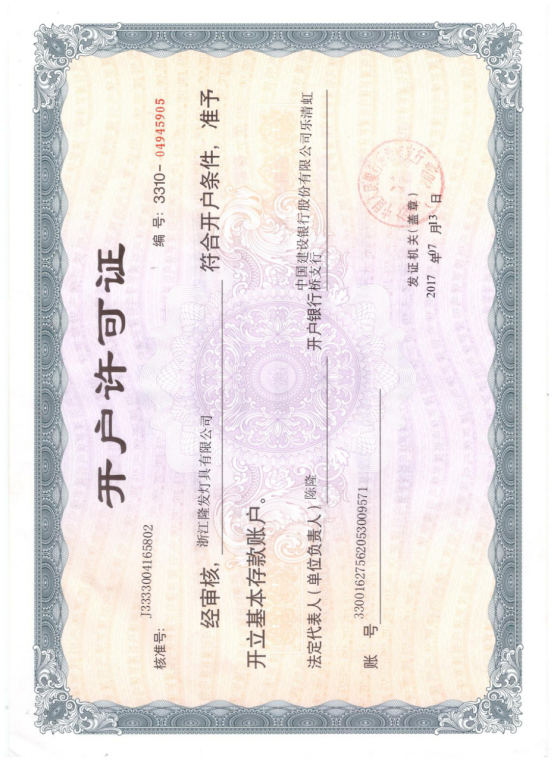
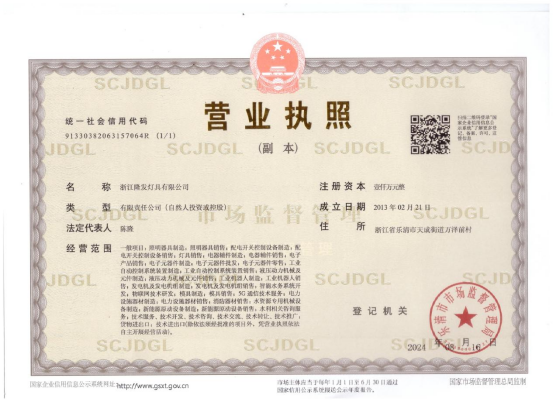
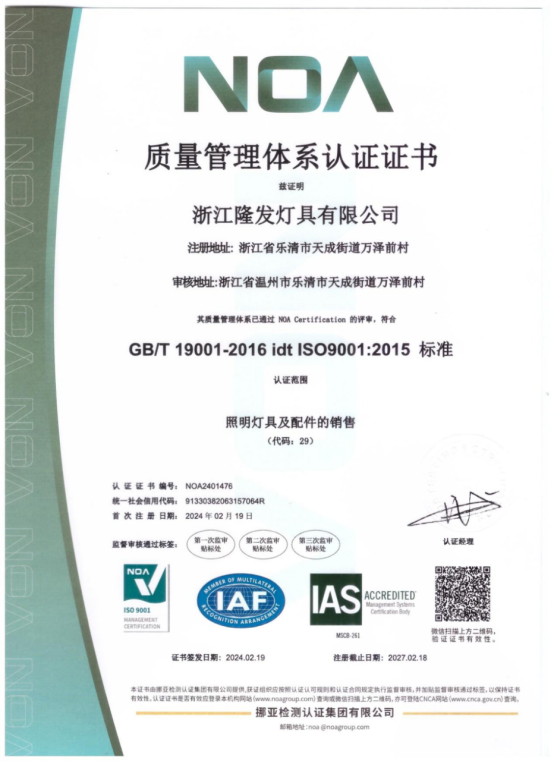
The following management-system certificates issued to Zhejiang LONGFA Lighting Co., Ltd. by NOA Testing & Certification Group specify the scope of sales of lighting fixtures and accessories. The certificates are dated 19 February 2024, and expire on 18 February 2027.
- ISO 9001:2015 quality management: NOA2401476.
- ISO 14001:2015 environmental management: NOA2401475.
- ISO 45001:2018 occupational health and safety management: NOA2401474.
Equipment protection and acceptance
Our LF2970 lamp heads carry an IP66 specification; the all-terrain option specifies IP65 lamp heads and rain resistance for the unit. IEC 60529 classifies enclosure protection, so the lamp-head rating applies to that assembly when determining the exposure conditions for the system. 4
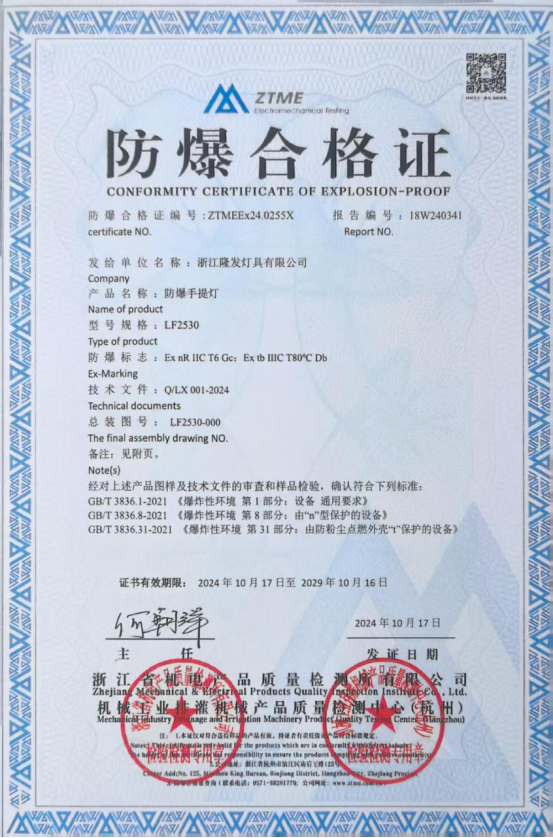
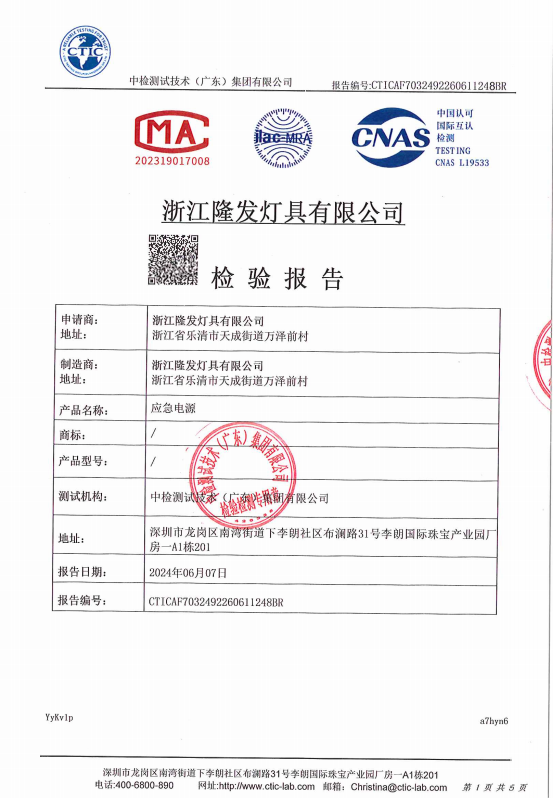
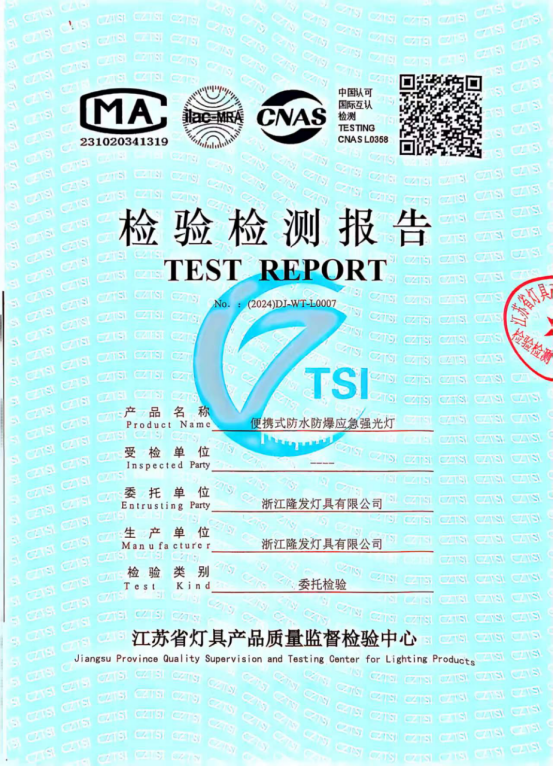
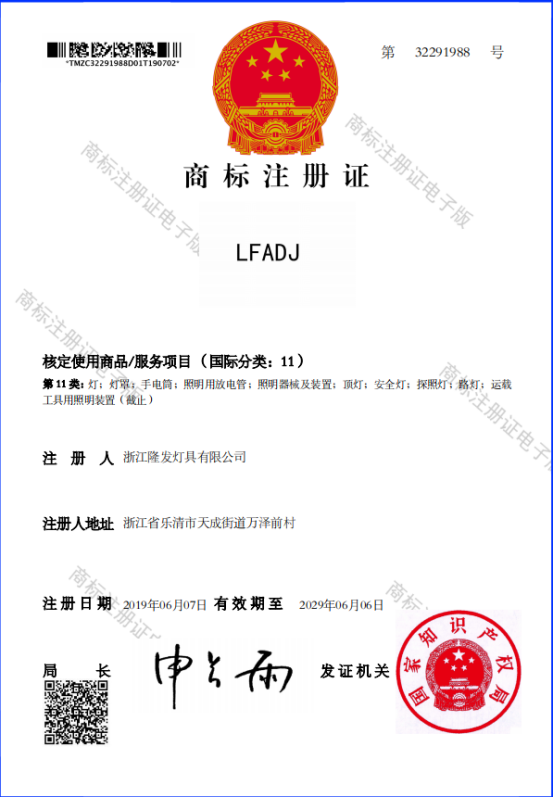
Keep the documents matched to the order. Agree the equipment description, configuration, inspection requirements and applicable documents during technical communication; management-system certification and product approval serve different purposes.5
From Site Brief to Supply
We provide product and application consultation. A clear briefing allows the technical and purchasing teams to work from the same requirement for the order.
01
Describe the work.
Send the industry, task, site layout and whether lighting is needed for normal work, response or escape.
02
Set the lighting duty.
Include the working area, required illuminance, shift length and any interruption limits.
03
Review the equipment.
Discuss the model, supply, lamp arrangement, mast height and controls with us.
04
Agree commercial details.
Confirm quantity, destination, payment terms and the delivery schedule.
05
Define acceptance and supply.
Set the agreed configuration, documentation and inspection arrangements before shipment.
06
Keep support connected.
For use or after sales issues, send the model with the operating conditions, symptoms, and relevant photos.
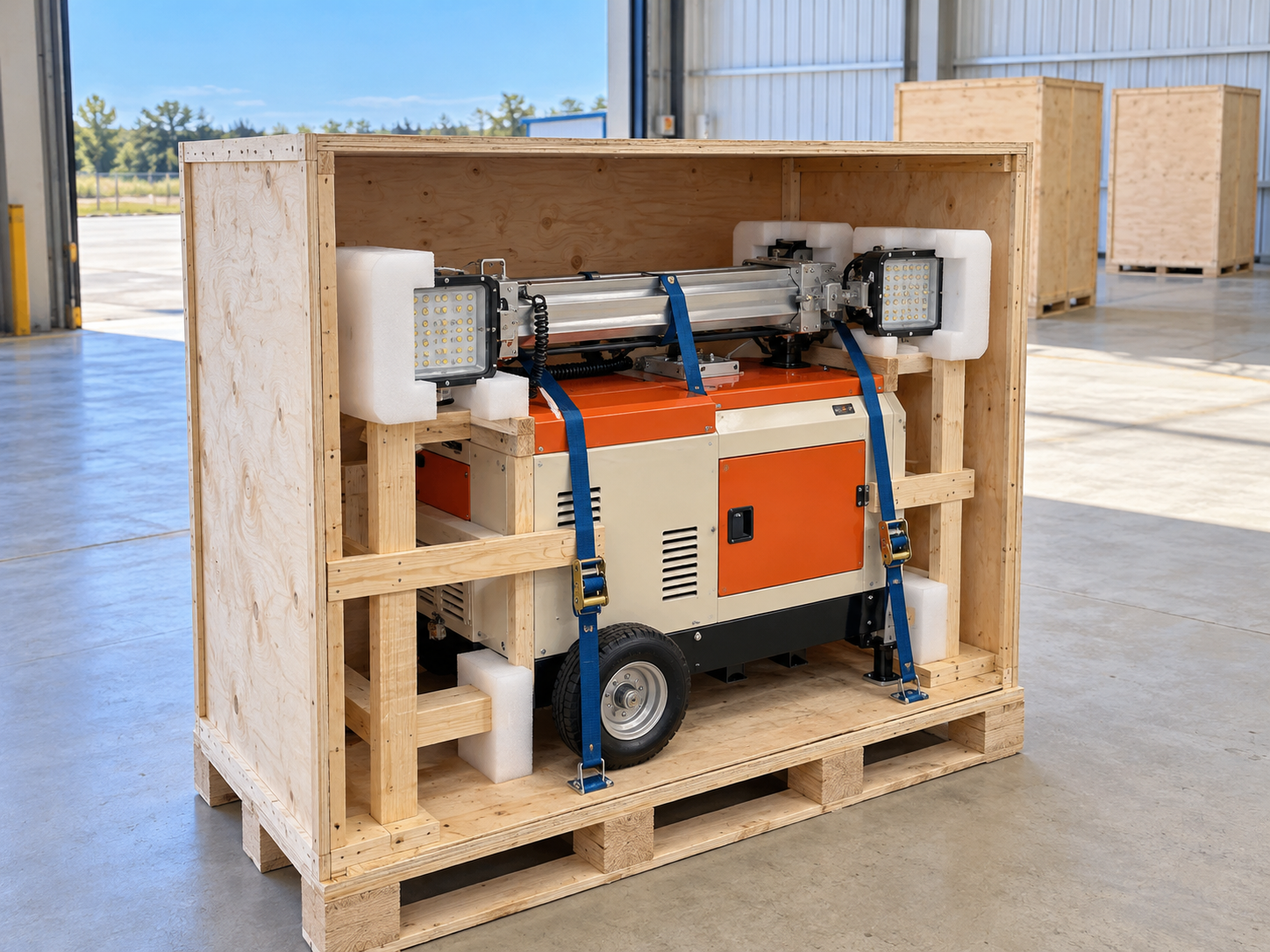
A shift-energy example
During an 8-hour shift with 600 W of lamp load, 4.8 kWh of energy is consumed by the lamp. With an assumed electricity tariff of USD 0.20 per kWh, the cost of the energy consumed by the lamp is USD 0.96.
Calculation: 600 ÷ 1000 × 8 = 4.8 kWh; 4.8 × 0.20 = USD 0.96.
This assumes the lamp load runs at that power throughout the shift.
Charging losses, auxiliary loads, fuel, maintenance and equipment purchase are separate costs.
The constraints behind the quote
Deployment constraints and purchasing decisions
| Decision | Constraint to settle | Effect on the purchase |
|---|---|---|
| Extend the shift | Runtime at the chosen output, fuel or charging access | Plan replenishment and any alternative lighting during stops. |
| Raise the lamps | Clearance, supports, ground and local exposure | Include the deployed footprint, rather than buying on height alone. |
| Move between sites | Weight, stowed dimensions and loading method | Compare transport capacity and handling work across the options. |
| Reduce electricity use | Required light at the task and operating hours | Compare equivalent lighting duty before treating lower wattage as a saving. |
Before submitting the brief, you can calculate your shift energy or check total equipment mass.
LFADJ Industrial Lighting Support
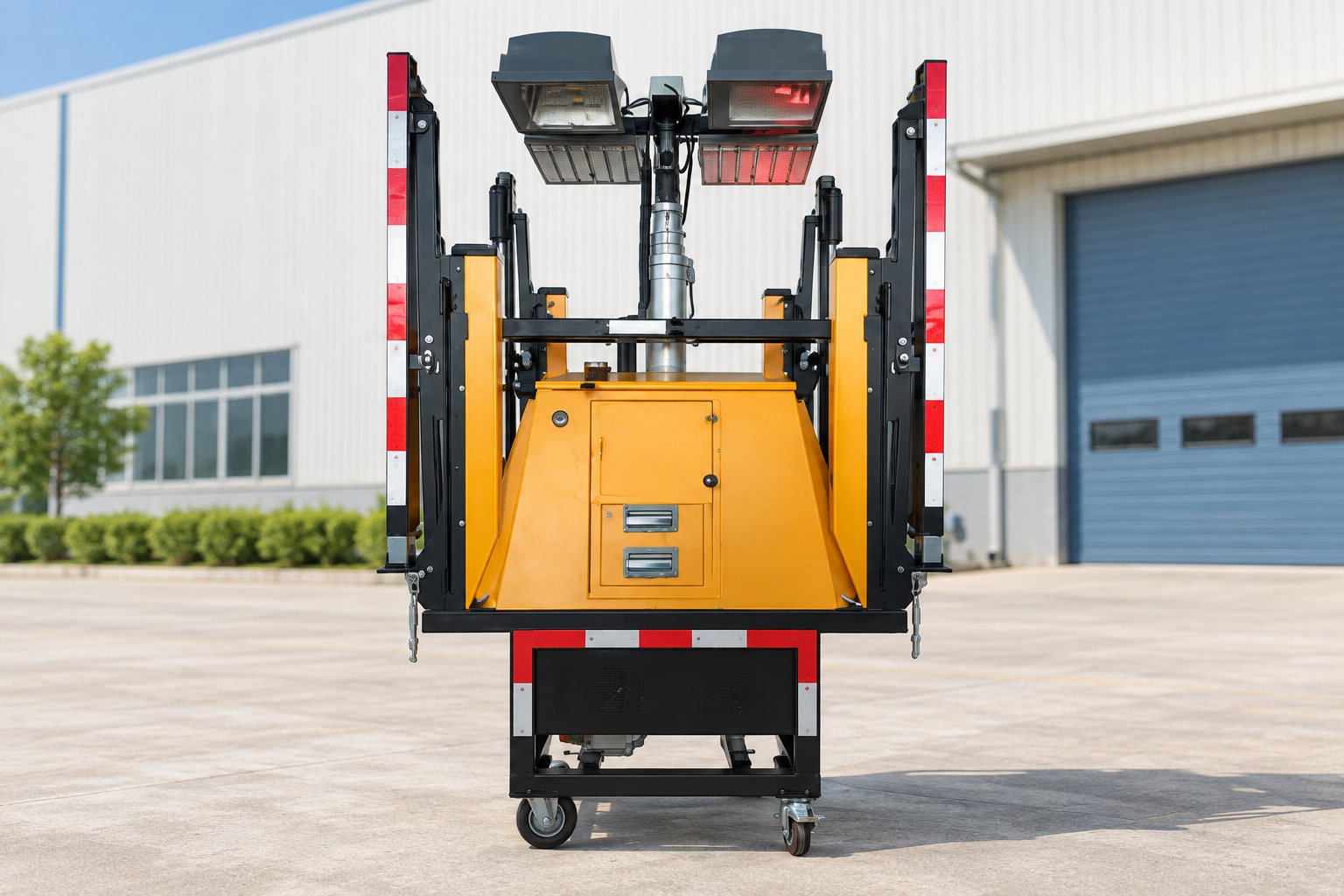
Established in 2013, Zhejiang LONGFA Lighting Co., Ltd. operates from Yueqing, Zhejiang, across industrial lighting, mobile lighting and emergency-lighting equipment. We provide product consultation and configuration discussions for industrial production, maintenance, night work and emergency-response needs.
-
Maintenance teams:discuss access, available power and the position of the repair task.
-
Night construction:coordinate the lighting position with vehicle routes and changing work areas.
-
Emergency response:Specify deployment, operating duration and replenishment around the response plan.
-
Purchasing teams:bring the configuration, quantity and destination together in one enquiry.
Application Boundaries and Alternatives
Choosing the right lighting solution for the task depends on the environment. Understanding trade-offs between reach and handling helps determine the right solution before an order is placed. These distinctions should be used when safety of personnel and site issues are integrated with temporary work lighting.
| Requirement | Selection boundary | Appropriate next step |
|---|---|---|
|
01
Fixed building exit and emergency escape lighting |
Portable field lighting and a building emergency lighting installation have different duties. |
Have the building designer specify the egress system, automatic operation and applicable code requirements. |
|
02
Classified hazardous location |
An IP rating is not a substitute for the model-specific explosion-protection approval; IEC 60529 describes enclosure protection. |
Select equipment with the model-specific approval required for that hazardous area. |
|
03
Indoor work with engine-powered equipment |
Exhaust can enter occupied or partly enclosed spaces. |
Use an appropriate electrical or battery lighting arrangement and place engines outdoors. |
|
04
Close inspection in a confined access position |
A large mast may not direct light into the inspection point. |
Assess a suitable handheld LED flashlight or task light for that position. |
Industrial Emergency Lighting Calculation & Selection Tools
-
Calculate lamp power consumption, generator fuel demand, and emergency battery runtime across shift durations.
-
Compare lamp packages, mast heights, IP protection ratings, and unit weights across emergency lighting models.
-
Estimate total shipping weight and stowed dimensions for single or multi-unit site deployment.
Emergency Lighting FAQs
Which emergency lighting system should I start with?
Start with the route into the work area and the available power. LF6133 offers a wheeled 4.8 m telescopic arrangement, LF2970 provides a 7 m mast, and the all-terrain option adds self-propelled movement; compare the weight and operating duty before requesting a quote.
Can portable emergency lighting replace a building exit system?
A building emergency lighting system (sometimes abbreviated EL) requires its own particular solution to escape routes and power failure. If you need to install emergency lighting in a building, ensure that the designer considers exit signs, automatic operation and applicable building codes; this page deals with field and temporary equipment for use in the workplace.
Does the LF6133 battery run all lamps at full output for an hour?
The LF6133 shows a 1 h emergency battery duration without output mode specified. Indicate the brightness and duration required in your request for clarification to verify the operating point before counting on it to last through a shift.
How should we plan generator grounding and electrical connections?
Have a qualified electrical professional review the exact generator, connected loads, site arrangement and applicable rules before installation. Follow the equipment manual and do not assume a grounding method from lighting wattage or copy another tower’s connection arrangement.
What information helps with a light tower that will not start?
Send your model number, control panel indication, power conditions and a description of the fault condition.
State when the fault occurred. If it is safe to do so, send pictures. Follow the manual’s shutdown and service instructions while the issue is reviewed.
Is a higher lumen figure enough to choose the system?
No. Lamp output is just one factor; the location, direction of the beam, height of mounting, shadows, and required light level on the task all must be considered when quoting, along with a placement diagram and a working plane.
Are these options for hazardous or explosive atmospheres?
Hazardous area classification should be identified at the outset and the equipment provided should be certified for the classification and the exact model approval required by the site. IP65 and IP66 describe enclosure protection, while explosion-protection suitability needs its own product selection and certification.
Can we order a single unit or a sample?
Our minimum order is 1 unit. Sample orders follow the same policy as finished-product orders, and our payment terms are a 50% deposit with the balance paid before shipment.
What should we send for a price and delivery schedule?
Send preferred model, quantity, destination, required arrival date, and available supply. Also send site dimensions, target light level, operating hours and access constraints. These help us recommend a configuration and a schedule.
When is a rechargeable flashlight more suitable?
A rechargeable emergency light or an LED flashlight would be handy to carry along for close inspections or personal movement. For area lighting, consider the working plane, mounting and duration separately; the portability of a handheld light does not define the lighting coverage for a site system.