Get in touch with LFADJ Company
Pneumatic Telescopic Mast Lighting Tower
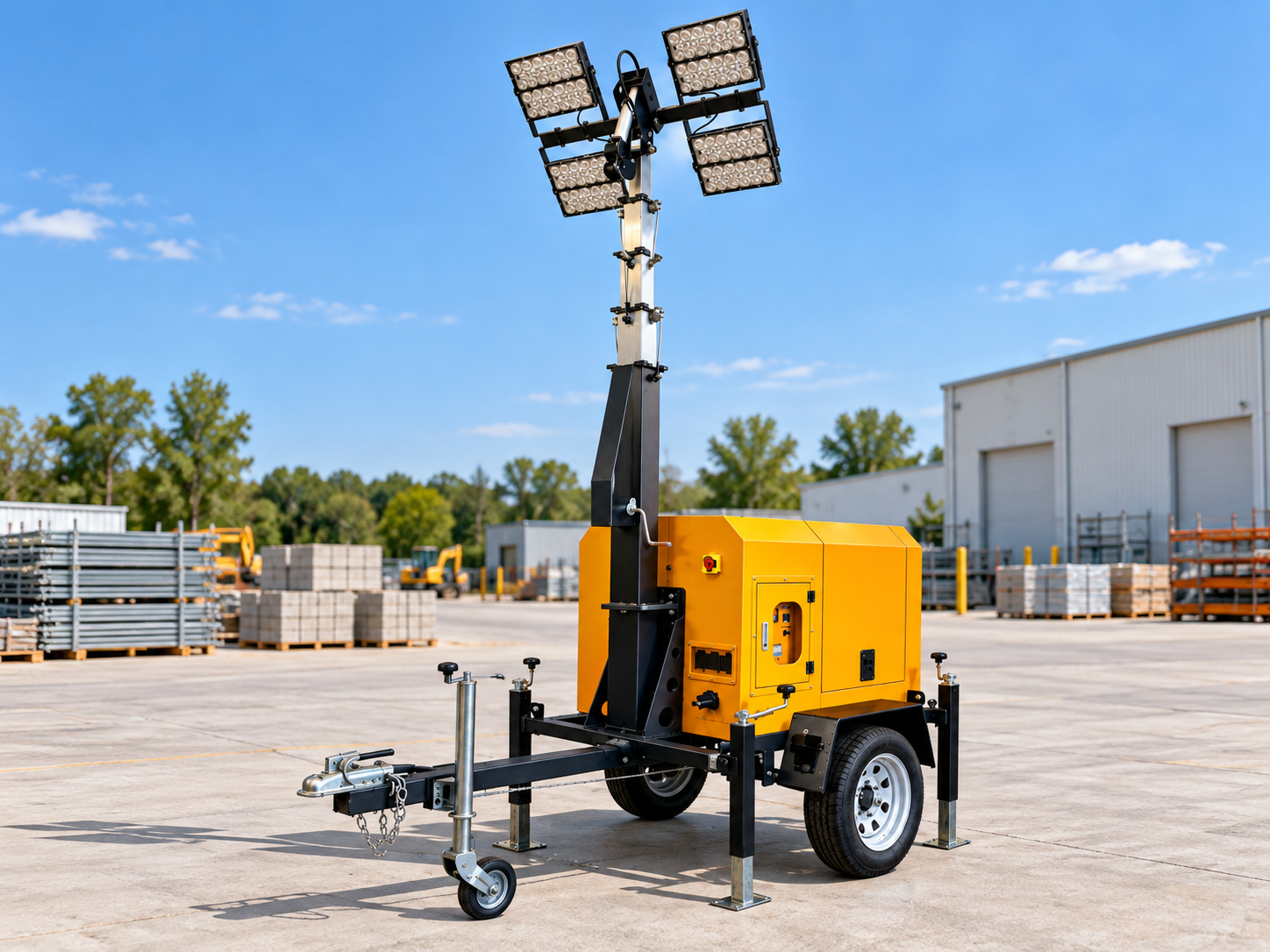
Bring elevated LED lighting and diesel power to your outdoor work site with the D957 pneumatic telescopic mast lighting tower. LFADJ supplies the complete unit for project teams planning temporary lighting, night construction and emergency operations.
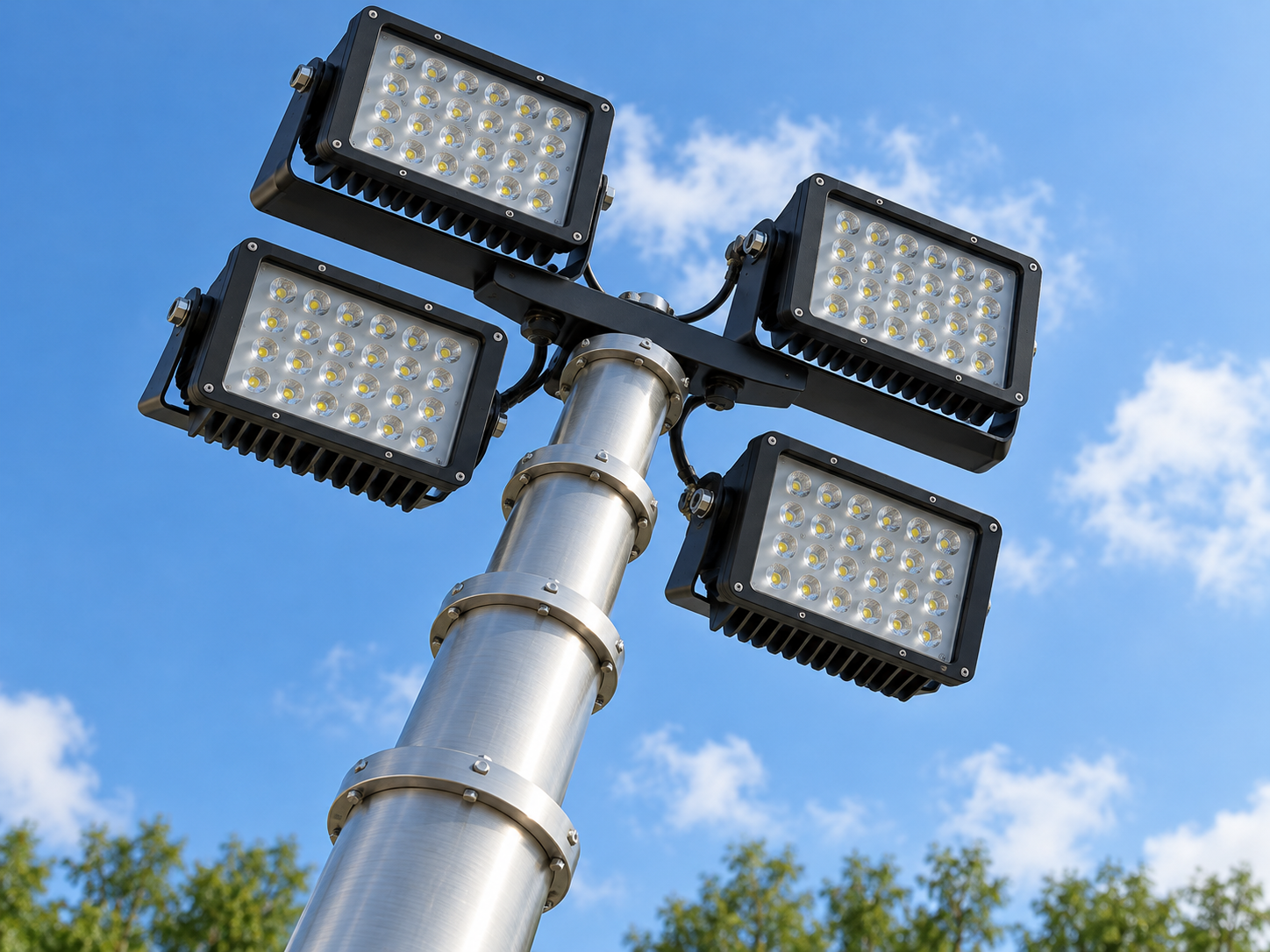
- 4 LED lamp heads rated at 400 W each
- Kubota Z482 engine with a 2.4 kW generator
- 120 V AC, 60 Hz configuration
D957
Complete lighting tower
4 × 400 W
LED lamp configuration
340°
Mast rotation
1 unit
Minimum order
D957 Pneumatic Telescopic Mast Lighting Tower
The D957 combines an LED lighting assembly, pneumatic telescoping mast, diesel generator and mobile trailer in one package. It suits buyers who need a complete telescopic lighting tower and want the lighting, power and deployment requirements discussed together.
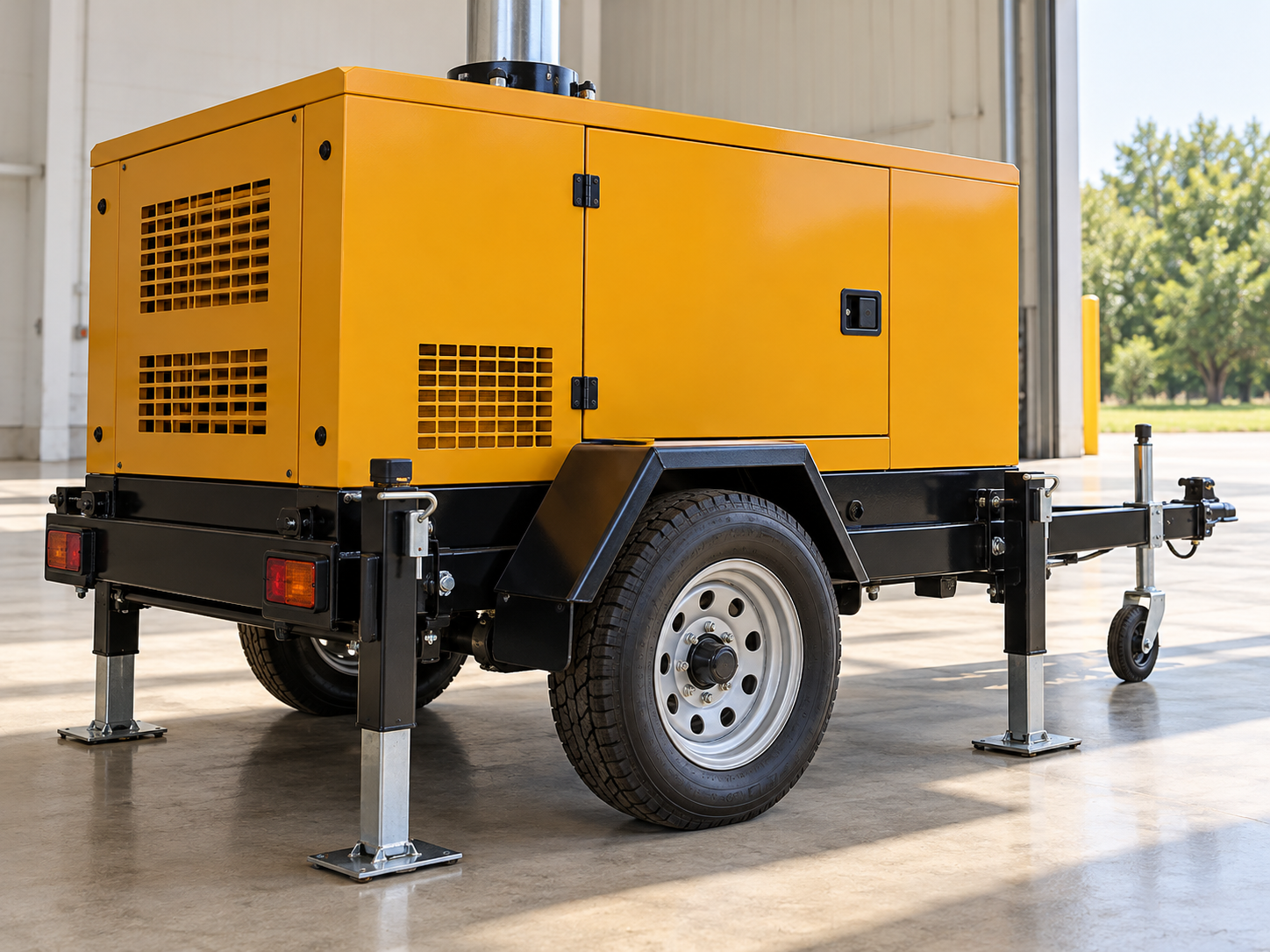
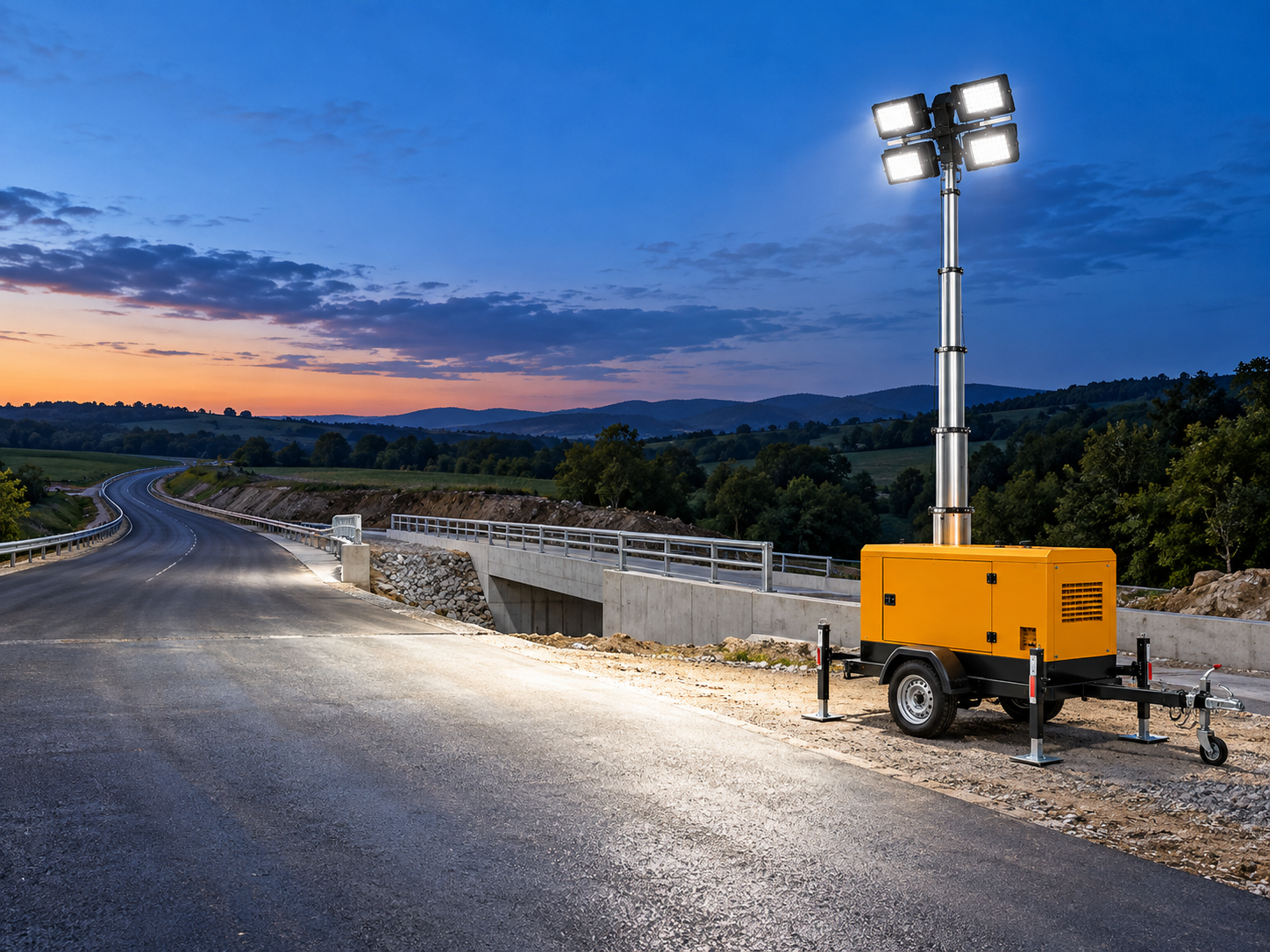
Outdoor deployment: Position engine-driven equipment in a well-ventilated outdoor area, with exhaust kept away from air intakes and occupied spaces. OSHA identifies engine exhaust as a respiratory hazard during emergency work.[1]
Lighting Package and Power Supply
Four 400 W heads provide 1,600 W of combined rated lamp power. That electrical rating is not a substitute for a coverage assessment: illuminance is the light reaching a surface, expressed in lux, and must be assessed at the actual working plane.[2]
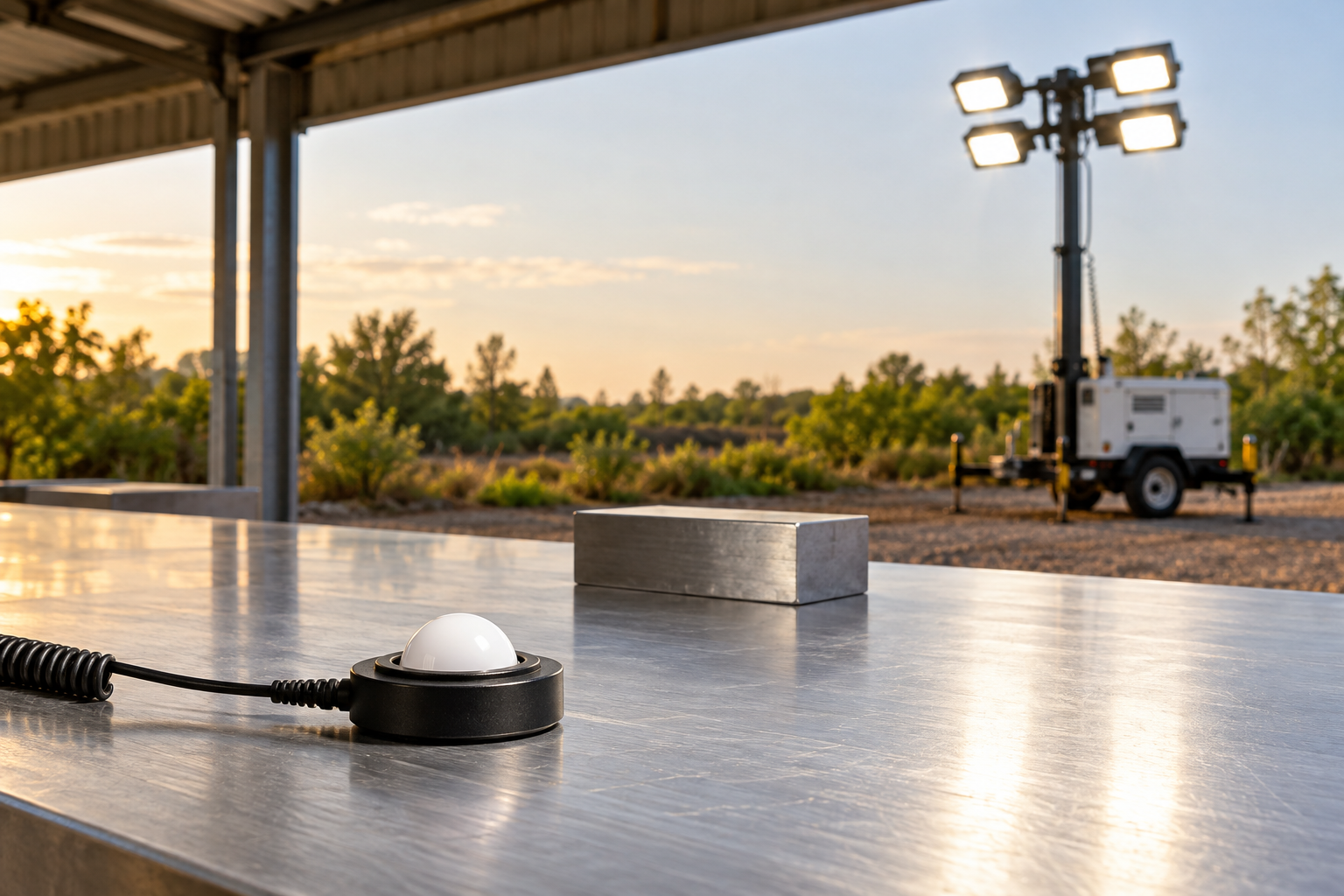
From lamp rating to useful light
- 1. Define the task: Vehicle circulation may not require the same level of lighting as detailed work and inspections.
- 2. Set the geometry: record tower positions, height, beam direction and obstructions.
- 3. Check the result: assess illuminance, shadows and glare at occupied work positions.
Separate lighting and auxiliary loads
- –List each additional tool or device.
- –Confirm the outlet and protection arrangement.
- –Do not treat subtraction of lamp watts from generator output as an approved spare-power rating.
A taller mast may not always correct a shadow problem. The reason is that equipment can still block light from reaching the working face. Send LFADJ a site plan to show a possible compromise for a wider spread and position of task lighting.[3]
Pneumatic Light Mast Deployment and Site Setup
An air powered telescopic mast uses compressed air to extend nested sections that telescope upward and raise the lighting assembly. Review the air supply, mast section arrangement, controls and method of holding as one mast system.
Air supply and controls
Ground and clearance
Holding and maintenance
Verify the air compressor arrangements, working pressure, air connections and the procedure to retract the supplied mast. Operating instructions for pneumatic and hydraulic systems are not interchangeable. Confirm the air compressor arrangements and system.
Check the support surface, stabilizer footprint, access route and overhead clearance, keep the raised mast clear of overhead electrical cables, and apply the site’s exclusion arrangements.[1]
Establish the lock arrangement as described in the provided manual and check the response to loss of air pressure. Stored pneumatic energy needs machine-specific isolation before any maintenance is performed.[4]
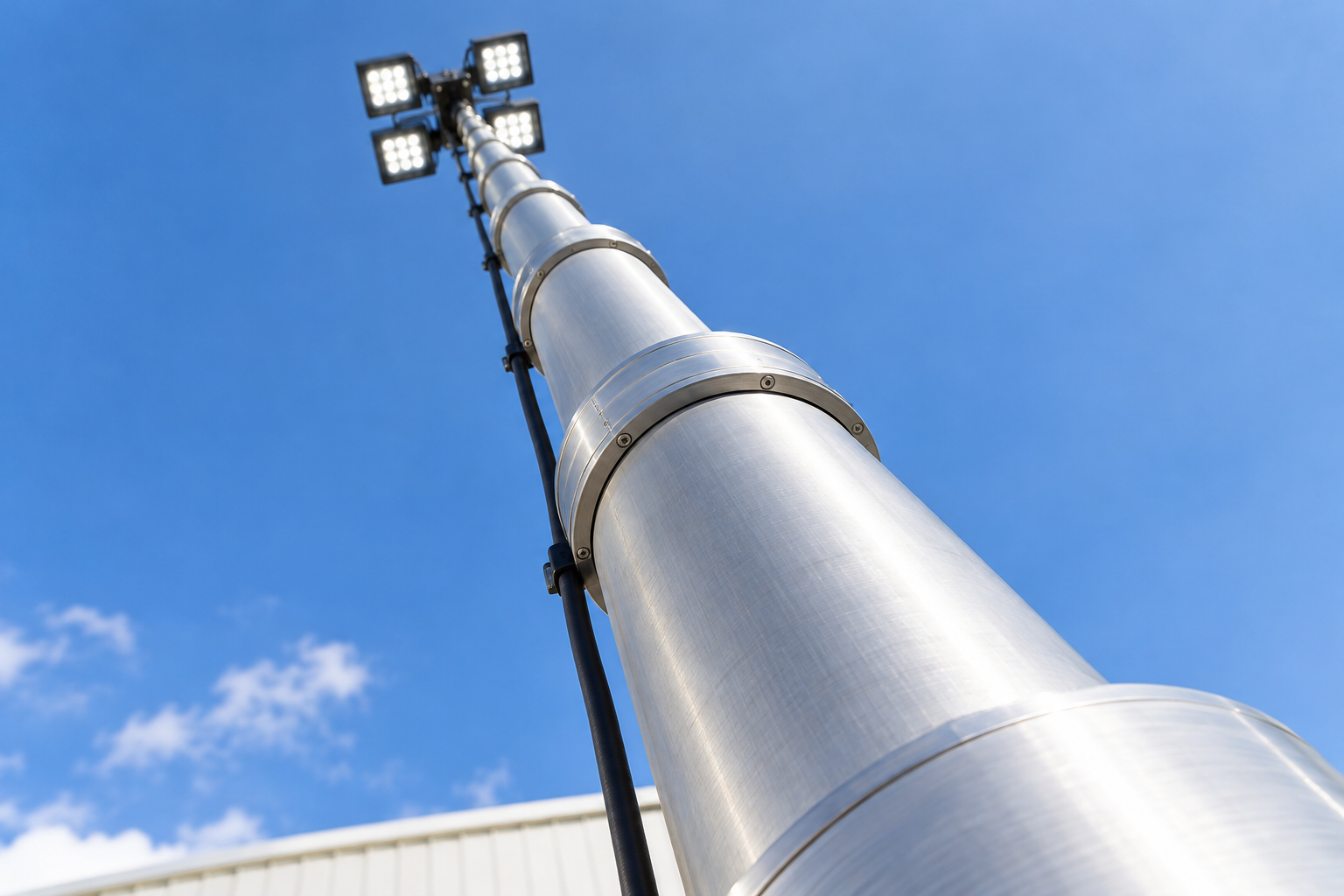
Plan for the actual lamp assembly: payload includes the mounted light heads and associated fittings. Any accessory change needs a review of load, mounting and wind exposure before use.
D957 Configuration at a Glance
D957 configuration for quotation
| Item | Configuration | Purchase check |
|---|---|---|
| Light source | 4 LED lamp heads | Required beam pattern and task lighting |
| Power per head | 400 W | Head selection and aiming arrangement |
| Combined lamp rating | 1,600 W | Calculated as 4 × 400 W; not a coverage rating |
| Rated voltage | 120 V AC | Site electrical compatibility |
| Frequency | 60 Hz | Destination and connected equipment |
| Generator output | 2.4 kW | Approved simultaneous load and outlets |
| Engine | Kubota Z482 | Destination requirements and service support |
| Mast rotation | 340° | Aiming limits, clearance and cable routing |
Complete the project specification
-
Required extended height, retracted height and transport dimensions
-
Payload capacity, permitted wind conditions and support arrangement
-
Air supply, holding method and operating controls
-
Lighting layout, operating hours and refuelling plan
-
Destination-specific electrical, engine and transport requirements
Pricing, Order Quantity and Delivery Planning
D957 Configuration & Quote EnquiryOur minimum order is 1 unit. We quote the D957 against your configuration, quantity and destination, with 50% deposit and the balance paid before shipment.
| Compare this item | D957 enquiry basis | Resolve before ordering |
|---|---|---|
| Supply scope | Complete diesel lighting tower | Included assemblies, mast accessories and packing |
| Lighting package | 4 × 400 W LED heads | Beam pattern and proposed lighting layout |
| Power system | Kubota Z482; 2.4 kW; 120 V AC, 60 Hz | Destination specification and auxiliary load allowance |
| Deployment | Pneumatic telescopic mast on a trailer | Extended height, support footprint and transport dimensions |
| Delivery | Quantity and destination stated in enquiry | Production schedule, freight scope and delivery terms |
| Support | Product consultation and use support | Warranty terms, spare parts and on-site service scope |
Samples and schedule
Operating cost inputs
Samples follow the same terms as finished products. Agree the production schedule and shipping arrangement against the selected configuration and required arrival date.
Fuel and maintenance costs depend on the duty cycle, load delivered, local fuel costs and service schedule. Freight, commissioning and parts support costs should be compared alongside these operating inputs, rather than assuming savings from the mast type.
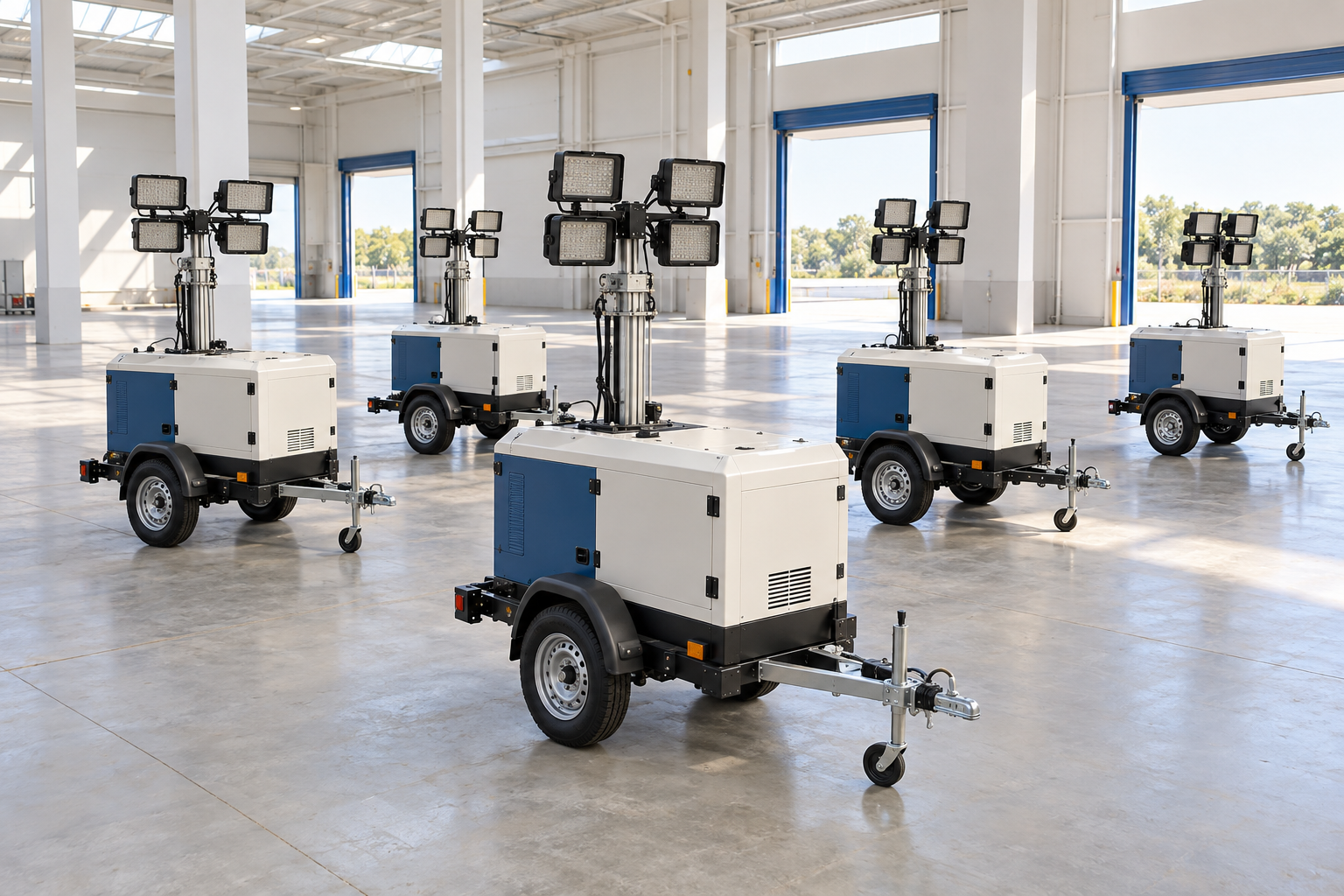
LFADJ Company and Project Support
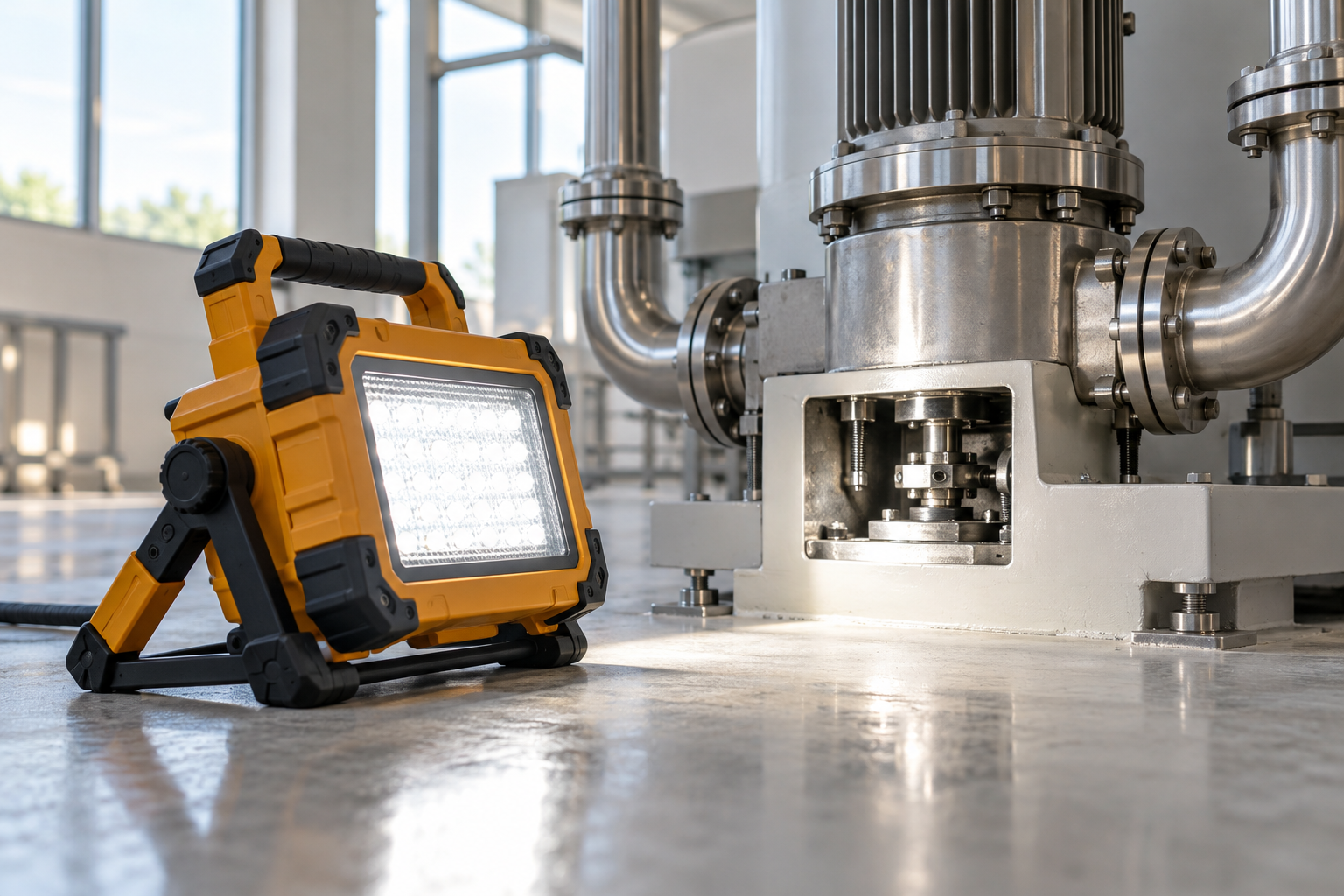
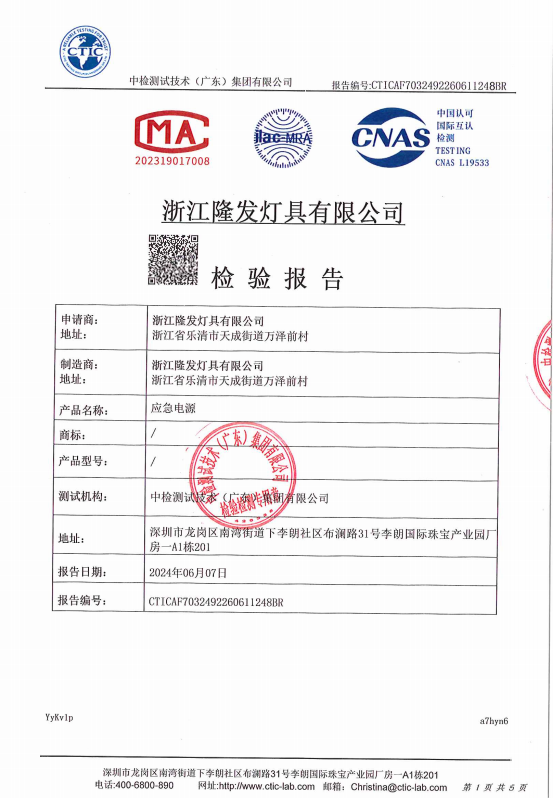
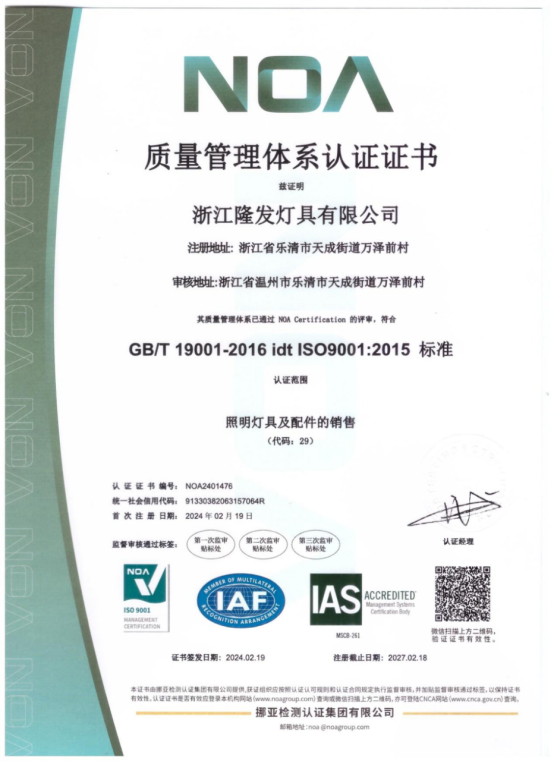
Zhejiang LONGFA Lighting Co., Ltd. was established in 2013 in Yueqing, Zhejiang, China. Our business brings together research and development, manufacturing, trade and service across industrial, mobile and emergency lighting.
-
Before purchase
LFADJ provides product selection and lighting solutions based on your application environment, operating requirements and lighting needs.
-
During supply
We discuss product configuration and technical requirements with your project team, then coordinate the agreed supply scope.
-
After delivery
Consultation for use of the product is provided as well as support for post sale problems. Maintenance, response times and on-site support are in accordance with the contract.
LFADJ Pre-sale Service
“Provide product consultation, type selection and lighting solutions according to customers’ application environment, operation requirements and lighting requirements.”
From Site Brief to Tower Supply
Send the location of the work area, the task to be performed, the quantity, the operating hours and the destination to LFADJ. A sketch of access routes, obstructing barriers and surrounding buildings helps us discuss a possible layout of the lighting system.
-
1.Define the application.
Your team identifies the lighting task, site constraints and required delivery date.
-
2.Review the configuration.
We discuss the lamp package, mast requirements, power supply and complete-unit scope.
-
3.Agree the order.
Confirm price, payment, schedule, freight responsibilities and after-sales terms in the quotation and contract.
-
4.Use the supplied documentation to plan access and positioning of the machinery.
Operator familiarization and maintenance are performed according to the documentation.
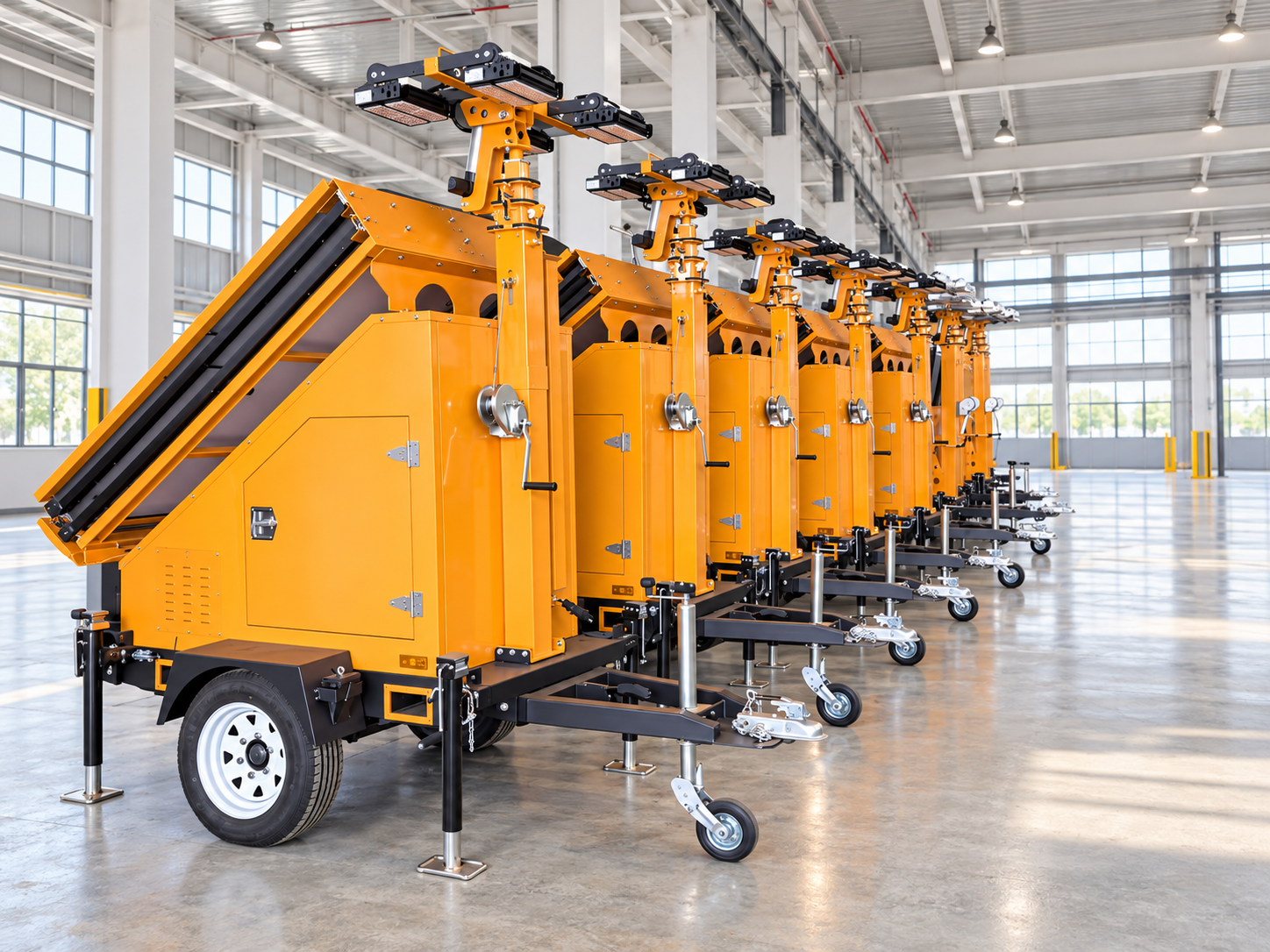
Lighting for Construction and Emergency Work
A pneumatic scene light tower needs a usable operating position as well as enough light for the task. The examples below turn common outdoor applications into configuration questions; the final layout depends on site geometry, shadows and glare.[3]
Site-to-Configuration Matrix
| Application | Likely constraint | Decision to make |
|---|---|---|
| Road construction | Plant movement and approaching drivers | Place the tower outside vehicle paths; assess aiming and glare from the driver’s approach. |
| Outdoor equipment maintenance | Shadows cast by machinery | Mark the working faces and obstructions; assess whether another lighting position or local task light is needed. |
| Emergency staging area | People, tents and changing access routes | Allocate a ventilated engine position away from occupied enclosures and intakes; keep access routes open. |
| Temporary construction compound | Long operating shifts and repeated relocation | Plan refuelling, service access and movement of the lowered tower between approved positions. |
Start with a marked-up site sketch to align the project manager, procurement team and equipment engineer. State complete-unit scope, then confirm the electrical loads, deployment envelope and operating limits before approving the configuration.
Choosing the Right Mast and Power System
Different systems are used to raise a mast. A pneumatic mechanism does not necessarily mean faster or safer deployment. Compare the complete system including control, load holding and stored energy precautions.[4]
Air, hydraulic or winch lift
A pneumatic design relies on compressed air; a hydraulic design uses a pump and pressurized liquid; a winch design uses a lifting mechanism. Ask each supplier for the model-specific operating sequence and holding method.
Transport and noise constraints
A portable light tower on a towable trailer brings engine power with it; the trade-off is planning access, fuel supply and an acceptable operating location. Where engine noise or exhaust prevents use, assess an electric light tower with a suitable external supply or a separate battery-powered option.
Long-duration elevation
A pneumatic mast does not always require maintained air pressure: some designs use mechanical locking collars to hold an extended position. That is a design-specific feature, so confirm the D957 holding arrangement instead of assuming all pneumatic towers work alike.[5]
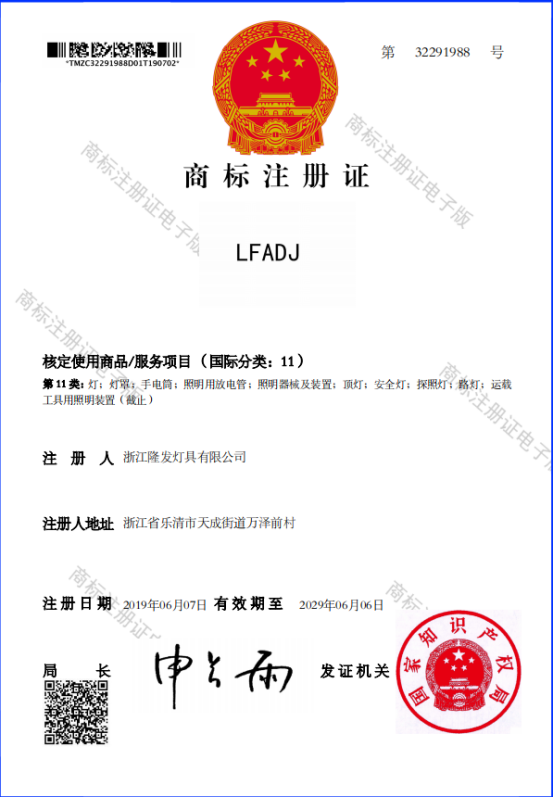
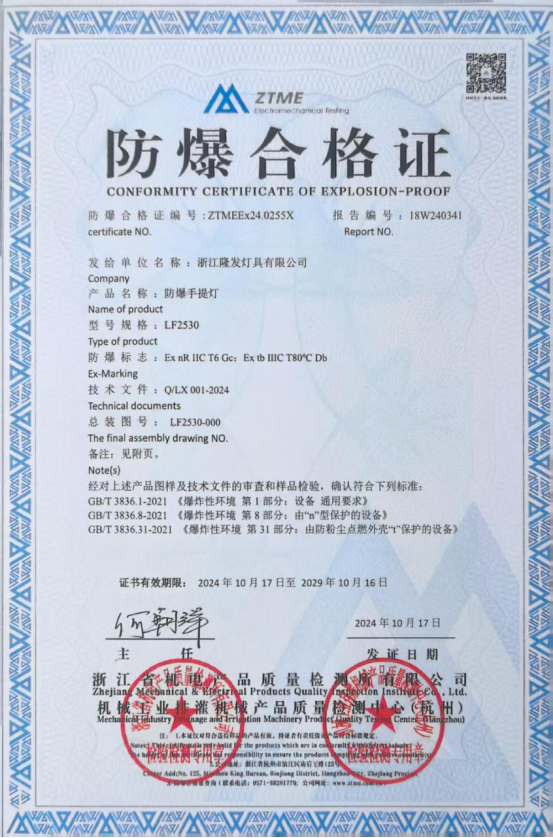
Site limits come first: an engine-driven tower is unsuitable inside occupied buildings or enclosed work areas. For a hazardous location, select equipment with the product-specific protection and approvals required by that location.[6]
Pneumatic Telescopic Lighting Masts Engineering Tools
-
Calculate total lamp power load and electrical current draw based on mast head configuration and operating hours.
-
Compare unit specifications, mast configurations, and total procurement costs across multiple pneumatic lighting tower quotes.
-
Estimate generator fuel consumption and operating cost per work shift according to load factor and runtime.
Pneumatic Lighting Tower FAQs
Does this enquiry cover a bare mast or a complete tower?
This page covers the D957 complete pneumatic diesel lighting tower.
What determines the pneumatic light mast price?
The complete-unit configuration, quantity, destination and delivery scope determine the quotation. Compare lamp heads, generator, mast controls, trailer, accessories and freight on the same basis, since a lower mast-only price may leave several assemblies to be sourced separately. Send any alternative quotation with its included items identified so the discussion starts from comparable equipment.
What is required for pneumatic light mast installation?
Confirm the operational footprint, ground conditions, overhead clearance, air and electrical supply for the supplied tower. Use its operating manual for setup and extension, lowering and securing, and give operators the manual before the equipment reaches the work area. A setup procedure for a hydraulic tower or a separate telescopic mast may use different controls and is not a substitute for the supplied manual.
How high does the D957 mast extend?
State the required working height and any transport-height constraints in your request. LFADJ will discuss the stowed and extended dimensions for the proposed configuration.
How large an area will four lamps illuminate?
Coverage area depends on illuminance, beam pattern, mast height, aiming and obstructions. Determine coverage using a lighting layout and photometric data at the working plane including position(s) behind vehicle(s) or machinery. A circulation area and a detailed maintenance task should not be approved from the same headline area figure without checking their different lighting requirements.
Can the portable light tower generator power other equipment?
Confirm additional loading against the supplied generator, outlets and protection. State the continuous and starting requirements for the loads and state which loads will run together.
How should I compare diesel operating costs?
Use fuel consumption measured or confirmed at the proposed operating load, local fuel costs and planned operating hours to estimate fuel cost. Add costs of maintenance, transport and service as these affect the cost of using a tower. Purchase cost of a tower does NOT give the cost of using it.
Will the mast stay raised if air pressure is lost?
The behavior of the unit supplied and the way it lowers will depend on the holding and locking design. Confirm from operating instructions before deployment.
Can the tower operate indoors?
An engine-driven tower requires an outdoor, well-ventilated operating location. For indoor locations, consider equipment powered from an appropriate external electrical supply.
What should buyers confirm for an overseas project?
Establish required electrical, engine and road transport conditions and the applicable configuration, documentation and delivery responsibilities before ordering.
Can I order one unit or request a sample?
Our minimum order is 1 unit, and samples follow the same terms as finished products. Payment is 50% deposit, with the balance paid before shipment.
How are delivery time and warranty arranged?
Timing of delivery depends on the agreed configuration, quantity and shipping plan. Warranty, maintenance and on-site support terms and conditions are listed in the contract.