Portable Light Tower for Sale

Specify a portable light tower for sale around your work area, power supply and shift requirements. LFADJ supplies wheeled LED lighting with a manual lifting mast for industrial maintenance, temporary construction lighting and emergency operations.

  • ■ 4 × 200 W LED reference configuration
  • ■ Manual mast extending to 5 m
  • ■ 220 V mains or a gasoline generator configuration
  • ■ Lamp power, beam and mast height options and generator selection options for the project
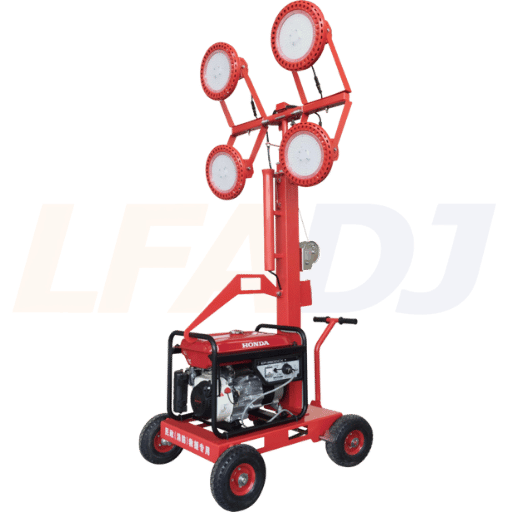
Portable Light Tower for Sale with Manual Lifting Mast
4 LED heads
200 W rated power per head
800 W
Sum of nominal lamp ratings
1,800–5,000 mm
Manual mast height range
220 V AC
External mains supply option
2.0–2.5 kW
Gasoline generator configuration
15 L
Generator fuel tank

Portable LED Lighting for Industrial Worksites

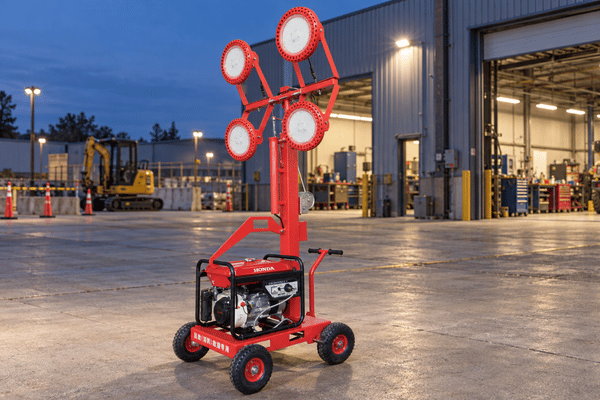
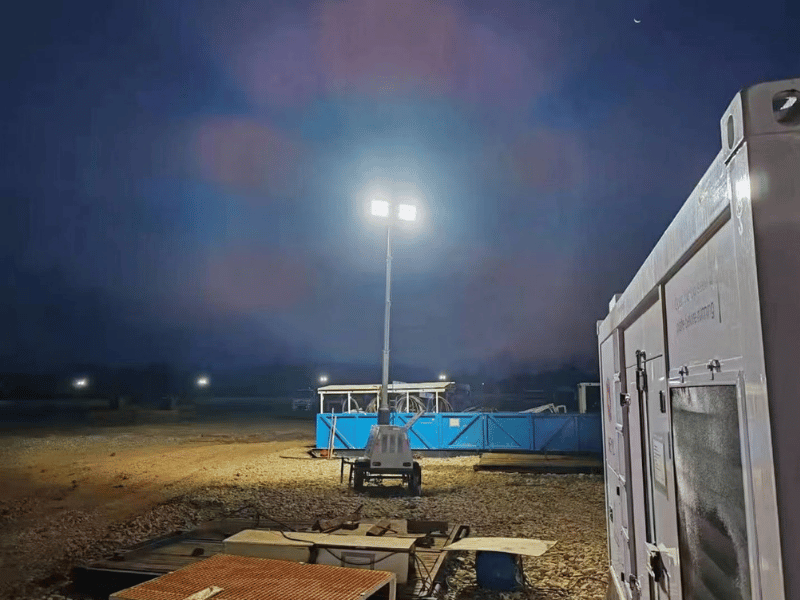
Our portable LED light towers bring adjustable lighting to work areas that change from one shift to the next. The reference unit combines a compact wheeled chassis, a manual lifting mast and independently switched lamp groups.

Portable LED light tower with wheeled chassis for industrial sites
01

Maintenance and inspection

Place the tower near the work zone and aim the lamp for equipment being examined. Define the task lighting requirement prior to choosing the beam and determining the tower location.

02

Night construction

For construction sites and road construction staging areas, separate the active task area from traffic routes and nearby occupied spaces. Review light coverage and glare to avoid creating a visibility problem in one part of the work zone while improving visibility in another part.

03

Emergency operations

Plan a mobile light tower based on the available power source and the access route to the work area. A reliable deployment plan includes handling, fuel access where needed, and the individual responsible for operation.

Adjust the configuration to the job

SPEC // CONFIG
  • ■We offer floodlight or spotlight configurations to suit the intended lighting pattern.
  • ■We configure lamp quantity and lamp power around the project brief.
  • ■We provide mast-height and generator configuration options for technical review.
  • ■The wheeled chassis includes steering and braking for on-site positioning.

Power and Lighting Configuration Options

Choose the power route before comparing a mobile light tower for sale by price alone. Our reference configuration supports 220 V mains supply or a 2.0–2.5 kW gasoline generator; the installed supply and site restrictions determine which route fits.

Match the power source to the worksite

Site condition Configuration to discuss Information needed for selection
External power is available 220 V AC mains; 800 W nominal LED lamp load Voltage, frequency, connector, circuit capacity, protection and cable route
Outdoor work without a suitable supply 2.0–2.5 kW gasoline generator; 15 L tank Shift hours, connected load, fuel arrangements, exhaust location and noise restrictions
Engine use or exhaust is restricted Suitable external power, or a separately specified battery, solar or hybrid system Permitted energy sources, charging access, operating schedule and required lighting duty
Long-duration remote operation Evaluate the required generator and service arrangement Actual load, refueling access, maintenance responsibility and required reserve power
Portable light tower power and electrical interface configuration

Portable Light Tower Generator Placement

Operate gasoline equipment outdoors, away from doors, windows and air intakes. Indoor and semi-enclosed spaces can accumulate carbon monoxide even when they appear well ventilated.

Confirm the electrical interface

A 220 V nameplate is not a substitute for an installation check. Have the electrical design confirm frequency, connectors, cables, protective devices and grounding or bonding for the proposed arrangement; industrial connector specifications address more than voltage alone.

  • 01 State whether the generator powers only the tower or also other equipment.
  • 02 Request the selected generator rating and permissible auxiliary load.
  • 03 Confirm the connection method with a qualified person under applicable local requirements; grounding arrangements depend on the installation.

Site Fit and Transport Planning

Our steering and braking chassis supports movement within the worksite. A wheeled cart and a road trailer are not interchangeable: define the loading method and travel route before finalizing the equipment.

Plan for repeated use

A workable handling and maintenance routine and suitable components of the system are essential for a durable lighting system. Including the storage conditions, moving frequency and spare-parts responsibilities in the brief, especially when the tower moves between sites, is essential.

Portable light tower site fit and transport planning
  • Lower and secure equipment for transport as directed by the operating instructions.
  • Keep access and cable routes clear during operation.
  • Review wind and site conditions before raising the mast.

Conditions that can change the equipment choice

Check Hidden constraint Action before ordering
Road movement A hand-moved chassis does not provide road-towing capability Specify a suitable road-towable model separately if highway travel is required
Mast deployment Overhead conductors, structures and lifting space Review electrical clearances and the complete raised equipment envelope.
Ground and weather Surface bearing, slope, wind and water exposure Match the selected model’s operating limits and stabilization instructions to the site
Work near people or traffic Glare, shadows and spill light Set the lamp aim and check illumination at the task, route and boundary
Loading and storage Access width, lifting equipment and stowed dimensions Request the complete transport dimensions, mass and handling instructions

Portable Light Tower Specifications

Use the example configuration to initiate your specification process. We match the final arrangement of the lamp, mast and power package to the agreed order scope.

LFADJ portable LED light tower reference configuration

Item Configuration Selection note
Light source 4 LED heads Adjustable lighting direction
Rated lamp power 200 W per head Confirm the selected lamp package
Combined nominal lamp power 800 W Sum of lamp ratings, excluding other system loads and losses
Minimum mast height 1,800 mm Review full stowed dimensions for transport
Maximum mast height 5,000 mm Manual lifting mechanism
External supply 220 V AC Confirm frequency, connection and protection requirements
Generator configuration 2.0–2.5 kW gasoline Specify the chosen generator in the quotation
Fuel tank 15 L Runtime requires a defined operating load
Control Independent switching of lamp groups Set the required lighting arrangement
Mobility Wheeled chassis with steering and braking On-site movement

Specify useful light at the task

Higher wattage does not always resolve an illumination problem at the work face, because beam distribution, aiming, shadows and distance all affect the result. Lamp wattage is not a substitute for a lux plan: request the task illuminance, uniformity target and layout for the actual area.

  • Provide area length and width, obstructions and the working-plane height.
  • Define both the main task and surrounding access routes.
  • Request photometric data for the selected LED lighting arrangement and agree how site measurements will be checked.
  • For U.S. construction projects, review the applicable task categories in OSHA 1926.56 alongside project requirements.
Portable Light Tower Specifications

Light Tower Price, Lead Time and Order Scope

When comparing portable lighting towers for sale, request the same lamp package, power source and delivered scope from each light tower supplier. The lowest unit cost is not always the lowest cost overall when you consider transport and maintenance costs.

Compare quotations on a consistent basis

Quotation line Include in the comparison Why it affects your decision
Lighting and mast Lamp count, rated power, beam and lifting height Different packages serve different tasks
Power equipment Mains interface or selected generator, supplied cables and accessories A bare lighting unit and a complete generator package differ in scope
Delivery Quantity, destination, packing and agreed delivery terms Transport and handling affect the landed cost
Operating plan Energy, refueling, maintenance and storage The acquisition price covers only part of ownership
Support and documents Manuals, applicable reports, spare parts and service terms Clarifies the handover and support responsibilities

Lead time and quantity

When making a configuration request, provide the required quantity, destination and target delivery date. For the requested configuration, we review supply arrangements with you and state the agreed production and delivery schedule in the quotation or contract.

Cost planning example

At the reference lamp rating, an illustrative 8-hour shift uses 0.8 kW × 8 h = 6.4 kWh of nominal lamp energy. Use measured system consumption for budgeting supply losses and auxiliary loads; this calculation does not predict generator fuel use.

LFADJ Quality Documentation and Support

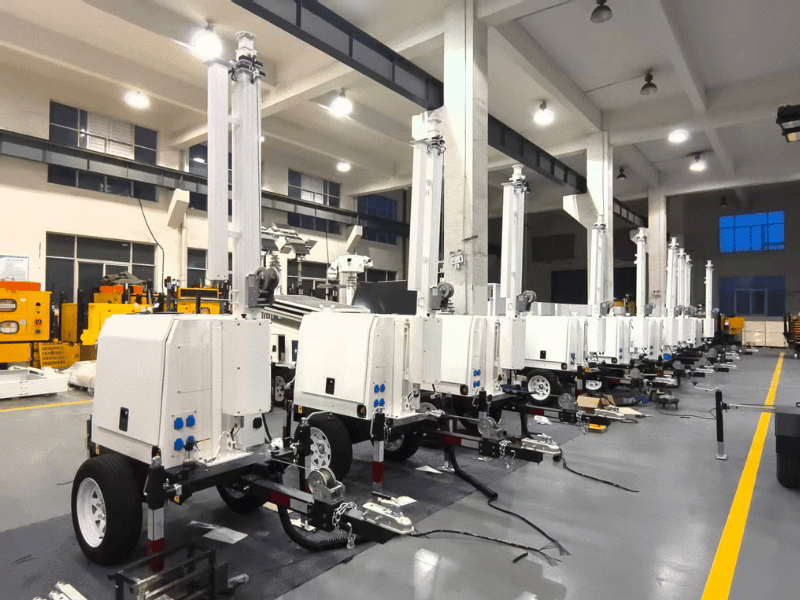
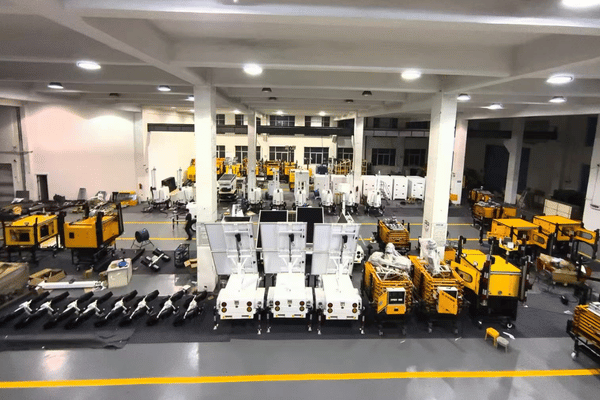
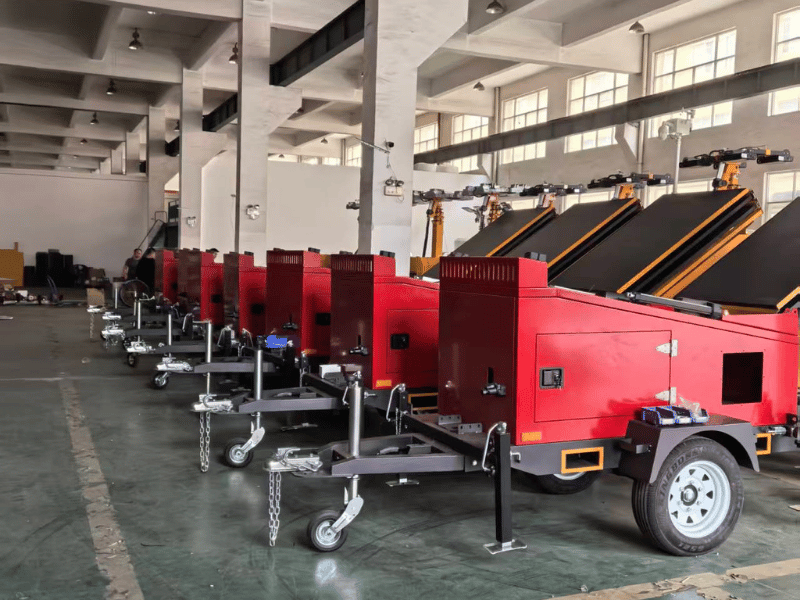
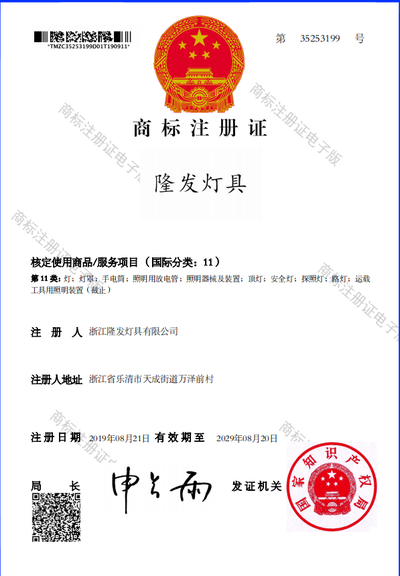
Zhejiang LONGFA Lighting Co., Ltd., established in 2013 in Yueqing, Zhejiang, brings research, manufacturing, trade and service together for industrial and emergency lighting. We discuss possible product and lighting solutions based on the customer’s operational environment.

Company management systems

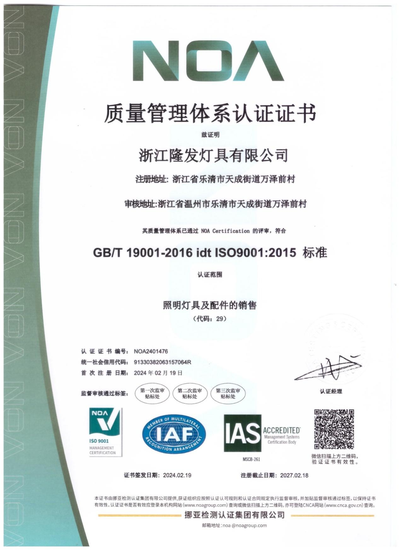
  • ISO 9001:2015 quality management
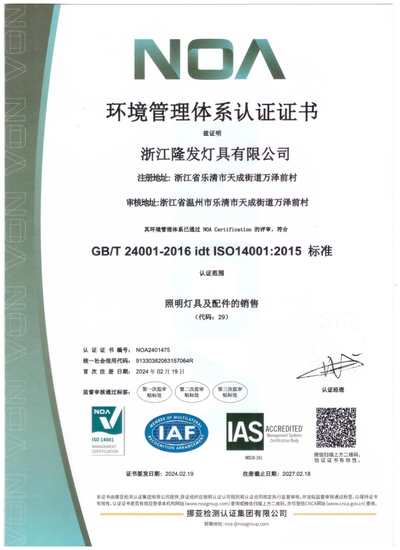
  • ISO 14001:2015 environmental management
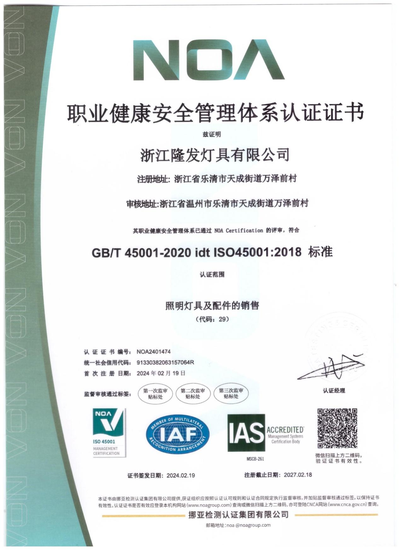
  • ISO 45001:2018 occupational health and safety management

Documents for the selected model

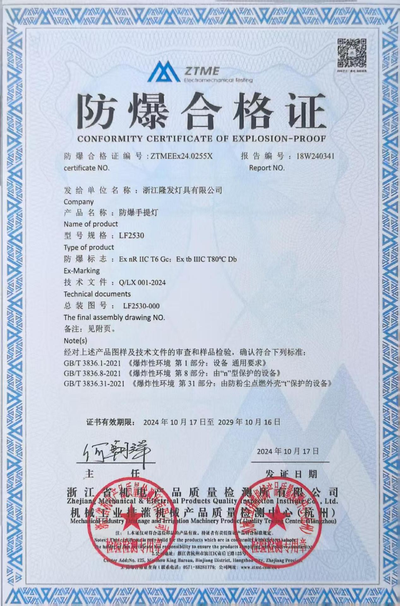
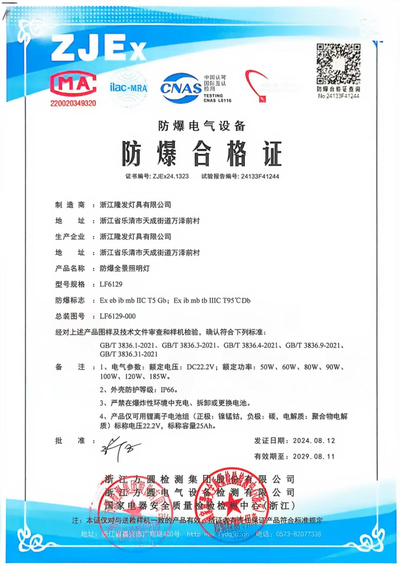
When requesting products, include product identification, applicable test reports, operating instructions and destination requirements. Ensure the documentation matches the configuration ordered. Company management system certification and product approval serve different purposes.

“In specifying lighting, a good practice is to start with the task, the power source and the movement route, and apply equipment selection in an integrated manner.”

— LFADJ Engineering Team, selection approach

Parts and service information

We provide product-use consultation and after-sales issue handling through our service organization. Service response time is agreed in the contract, together with the warranty period, maintenance responsibilities and any on-site support scope.

  • Include the equipment identification and selected generator in support records.
  • Keep brand and model identification, operating instructions and configuration documents with the unit.
  • Agree spare-parts requirements and support arrangements before placing the order.
LFADJ ISO 9001:2015 quality management certificate
LFADJ ISO 14001:2015 environmental management certificate
LFADJ ISO 45001:2018 occupational health and safety management certificate
LFADJ industrial lighting quality documentation certificate 4
LFADJ industrial lighting quality documentation certificate 5
LFADJ industrial lighting quality documentation certificate 6

From Site Requirements to Delivery

With your complete site brief, we'll be able to discuss the lighting details and supply scope. Follow the selection through to delivery and make sure the configured details are documented at each step.

  • Define the job. Include task, illuminance, operating hours, work area, and site photos or layout.
  • Confirm the power route. Include mains characteristics or generator requirements and other connected loads.
  • Movement and placement. Include road-towing needs, loading, storage and ground conditions, and overhead hazards.
  • Configuration. Agree on the lamps, beam type, mast height, accessories and power equipment.
  • Commercial Scope. Agree on the quantity, destination, delivery schedule, documents, acceptance checks and support terms.
  • Coordinate supply and use. Arrange for the handover of configured product and retain a product identification for support.

Your quotation checklist

Build a Project Brief
  • Application and site location
  • Area dimensions, task illumination and obstructions
  • Power supply, shift hours and movement route
  • Quantity, required date and delivery destination
  • Documentation, spare parts and service requirements

Configuration Trade-offs

Portable light towers cover different operating needs, and the reference wheeled unit should be compared with the equipment built for the same need. Compare a portable light tower rental against purchase using the same need and delivered scope.

Portable light tower configuration trade-offs
  • Road travel:

    specify a road-towable light tower when towing between sites is part of the job; the illustrated unit is an on-site cart.

  • Engine restrictions:

    select a suitable external supply or separately specified alternative where local exhaust emission or noise restrictions rule out a gasoline engine.

  • Long shifts:

    a larger fuel tank does not necessarily mean a known runtime; obtain runtime at the selected lamp load and auxiliary demand.

  • LED versus metal halide:

    compare task illumination, electrical demand, switching requirements and maintenance across complete systems.

  • Diesel, solar and hybrid alternatives:

    compare their fuel or charging arrangements and service requirements with the actual operating schedule.

  • Hazardous locations:

    The ordinary portable configuration is not a substitute for a model-specific explosion-proof selection; specify appropriately certified equipment for the classified area.

Portable Light Tower Planning Tools

Request Your Portable Light Tower Quote

Send LFADJ your site layout, power supply, shift hours and quantity to discuss a portable light tower for sale that fits your project. Send the additional details (delivery destination, target date, required documents) needed to review the complete scope of your order.

  • Specify a reference configuration, or define the changes you need.
  • Include the task illumination and movement requirements.
  • Request a quotation with the agreed equipment and support scope.

Portable Light Tower FAQs

Start with the site's permitted energy sources and available electrical supply. Our reference options are 220 V mains and a gasoline generator configuration; confirm frequency, connection, protection and operating conditions before selection.

The reference manual mast extends from 1,800 mm to 5,000 mm. Include overhead clearance, the working area and transport dimensions in the configuration review.

Area coverage depends on the required lux, lamp optics, positioning of the mast, aiming, and obstructions. Send task details and layout to assess the lighting arrangement using photometric data and site measurements.

Yes, we offer project options for lamp quantity, wattage, floodlight or spotlight configuration, mast height and generator configuration. Specify the required arrangement in your request.

The illustrated reference unit is equipped with a wheeled chassis for on-site movement. For road towing, a separate suitable trailer configuration and relevant local requirements need to be specified.

Runtime must be checked for the chosen generator at the actual lighting and auxiliary load. Provide the shift length and planned loads; the 15 L tank capacity alone does not establish the operating time.

Gasoline equipment must operate outdoors, away from openings and air intakes. For indoor lighting, discuss a suitable external electrical supply and an installation appropriate to the environment.

Provide the equipment identification, generator model, operating conditions and a description of the symptoms. Follow the operating manual and use qualified service personnel; avoid live electrical troubleshooting by untrained operators.

Stop using the affected function and follow the manufacturer's safe shutdown instructions. Send the unit identification and symptom details, with photographs only if safe to do so, so the support team can assess the issue.

The configuration of lamp and mast, power equipment, quantity, accessories, packing and the scope of delivery affect the quotation. Compare light towers for sale with the same included equipment and service terms.

Your required quantity, delivery destination and target date are reviewed alongside the technical configuration. Based on this, we agree the supply schedule and order terms.

The warranty period, service response, maintenance responsibilities and on-site support scope are defined in the contract. Include your required parts and service information in the inquiry so the support scope meets the requirements of the project.